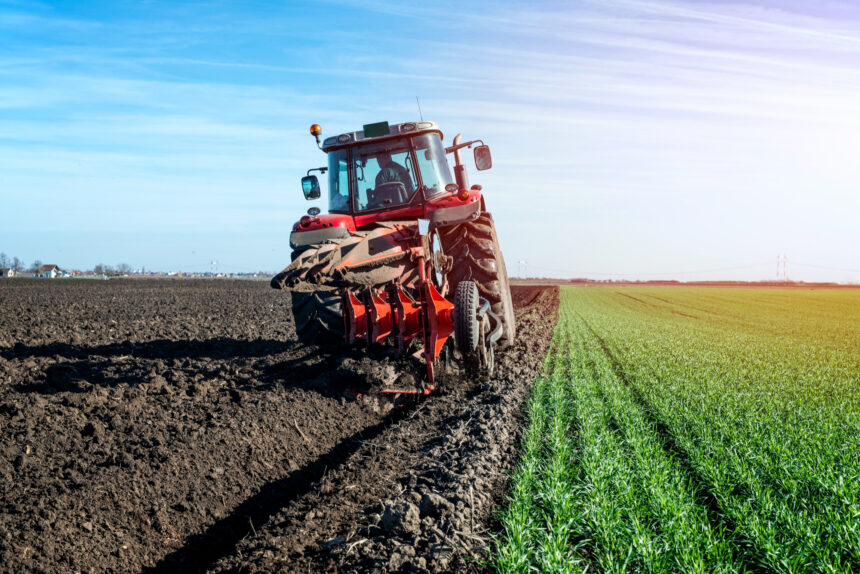
Purchasing a tractor is one of the most important investments a farmer can make in South Africa, as it directly affects productivity, efficiency and the overall success of a farming operation. Tractors are essential for plowing, planting, hauling, irrigation, and a wide range of other agricultural activities. Choosing the right tractor requires careful consideration of factors such as farm size, terrain, crop type, and available budget. Farmers must also evaluate fuel efficiency, maintenance costs, and the availability of spare parts and service support. Understanding these key aspects ensures that the tractor meets the operational needs of the farm while providing long-term value.
The first factor to consider when buying a tractor is horsepower, which determines the machine’s pulling power and capacity to handle different implements. Smaller farms may only require compact tractors with 20 to 50 horsepower, suitable for light plowing, gardening, and small field work. Larger commercial farms or those with heavy machinery needs may require tractors with 70 to 150 horsepower or more to handle plowing, harrowing, and large-scale planting. Matching horsepower to the specific farming tasks ensures that the tractor operates efficiently without overloading or underperforming. Farmers should also consider transmission types, such as manual, semi-automatic, or hydrostatic, as these affect ease of operation and fuel consumption.
Fuel type and efficiency are critical considerations for tractor ownership in South Africa. Diesel engines are the most common for their durability, torque, and fuel efficiency, especially for heavy-duty tasks. Some smaller tractors use petrol or LPG, which may be suitable for light work but less efficient for large-scale operations. Evaluating fuel consumption rates helps farmers manage operational costs and reduces downtime for refueling. Additionally, checking emissions standards and compliance with local regulations ensures that the tractor meets environmental requirements. Modern tractors often come with fuel-saving technologies that reduce costs and improve sustainability.
The choice of attachments and implements is another vital aspect of tractor selection. Tractors are versatile machines that can operate plows, harrows, seeders, sprayers, trailers, and more. Ensuring that a tractor is compatible with commonly used implements increases efficiency and flexibility on the farm. Farmers should consider both current and future needs, as investing in a tractor that supports a range of attachments can save costs in the long term. Ease of attachment, hydraulic capacity, and lifting ability are important technical factors to review before purchase.
Maintenance, spare parts availability, and dealer support are essential for sustaining tractor performance. Tractors require regular servicing, lubrication, and part replacement to maintain efficiency and longevity. Farmers should purchase tractors from reputable dealers who provide accessible service centers, warranties, and readily available spare parts. Understanding the maintenance schedule and associated costs helps avoid unexpected downtime and repair expenses. Choosing a well-supported brand ensures that farmers can rely on their tractors throughout the farming season without disruptions.
Budgeting is a critical part of the tractor buying process. Farmers need to balance initial purchase cost, operational expenses, and potential resale value. Leasing or financing options may be suitable for those who cannot pay the full price upfront, but total costs over time should be calculated. Comparing new and used tractors is also important, as used tractors can offer value for smaller operations if they are in good condition. Conducting thorough research, consulting with fellow farmers, and testing machines before purchase ensures informed decision-making and long-term satisfaction.
Investing in the right tractor enhances productivity, reduces labor costs, and improves the efficiency of farming operations in South Africa. By carefully evaluating horsepower, fuel efficiency, attachments, maintenance requirements, and budget considerations, farmers can select a machine that meets both immediate and future needs. A well-chosen tractor contributes directly to higher yields, smoother farm operations, and overall business profitability. With proper care, a tractor can serve as a reliable workhorse for years, supporting sustainable growth and operational success. Making an informed purchase ensures that farmers maximize their investment and strengthen their farm’s productivity and competitiveness.
Join 'Farmers Mag' WhatsApp Channel
Get the latest Farming news and tips delivered straight to your WhatsApp
CLICK HERE TO JOIN