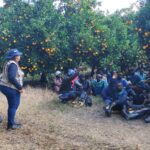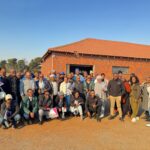
The Agricultural Research Council hosted a Weather Risk App Stakeholder Engagement on 6 March 2026 at the ARC Agricultural Engineering Campus in Pretoria. The event marked an important step toward strengthening climate resilience in South Africa’s agricultural sector. Farmers across the country face increasing challenges caused by unpredictable weather patterns, including droughts, floods, and heat stress. These climate risks can affect crop yields, livestock health, and overall farm productivity. The engagement introduced stakeholders to a new digital platform designed to help farmers respond to these challenges through reliable weather risk information.
The Weather Risk App was developed through a partnership between the Agricultural Research Council and the Water Research Commission. The platform was designed to provide farmers, researchers, and agricultural stakeholders with accessible weather risk data that can support better decision making. Reliable weather information helps farmers determine the best time to plant crops, manage irrigation, and prepare for extreme weather conditions. Many smallholder farmers struggle to access accurate weather updates, which increases their vulnerability to climate shocks. By providing clear and timely information through a digital platform, the app helps bridge the gap between climate science and everyday farming decisions.
The stakeholder engagement brought together farmers, researchers, extension officers, agribusiness representatives, and government partners to explore the capabilities of the Weather Risk App. Participants had the opportunity to interact with the platform, learn how the system works, and discuss how it can support agricultural planning. The engagement also created space for participants to provide feedback on the platform and share ideas on how it can be improved to better serve farmers. Collaboration between researchers and agricultural stakeholders is essential when developing tools that must respond to real farming challenges. This interaction helps ensure that digital solutions remain practical, accessible, and relevant to the needs of the agricultural sector.
Weather risk management remains a major priority for agriculture in South Africa because many farming regions depend heavily on rainfall. When weather conditions change suddenly, farmers often face losses that affect both their income and national food production. Access to accurate forecasts and risk alerts can help farmers take preventative action before extreme conditions occur. For example, a crop farmer can adjust planting schedules based on rainfall forecasts while a livestock farmer can prepare additional water supply during heat waves. Digital weather intelligence allows farmers to move from reactive responses to proactive planning.
The Weather Risk App also supports agricultural extension services that assist farmers with technical guidance and farm management advice. Extension officers can use the platform to provide farmers with updated information about weather patterns and potential risks. This improves communication between researchers and farming communities while strengthening the support systems that farmers rely on. Digital tools like this also encourage the adoption of climate smart farming practices that protect natural resources and maintain long term productivity. As climate pressures increase, the integration of digital technology in agriculture becomes increasingly important.
The engagement held on 6 March 2026 demonstrated the growing commitment to using innovation and collaboration to support South African agriculture. By bringing together farmers, scientists, and industry stakeholders, the Agricultural Research Council created an opportunity to strengthen climate resilience through knowledge sharing and digital technology. The Weather Risk App represents a practical solution that can help farmers reduce uncertainty and plan more effectively. Continued development and adoption of tools like this will help protect agricultural production in the face of changing weather conditions. Strengthening access to reliable climate information will ultimately support food security, sustainable farming, and stronger rural economies across South Africa.
Join 'Farmers Mag' WhatsApp Channel
Get the latest Farming news and tips delivered straight to your WhatsApp
CLICK HERE TO JOIN