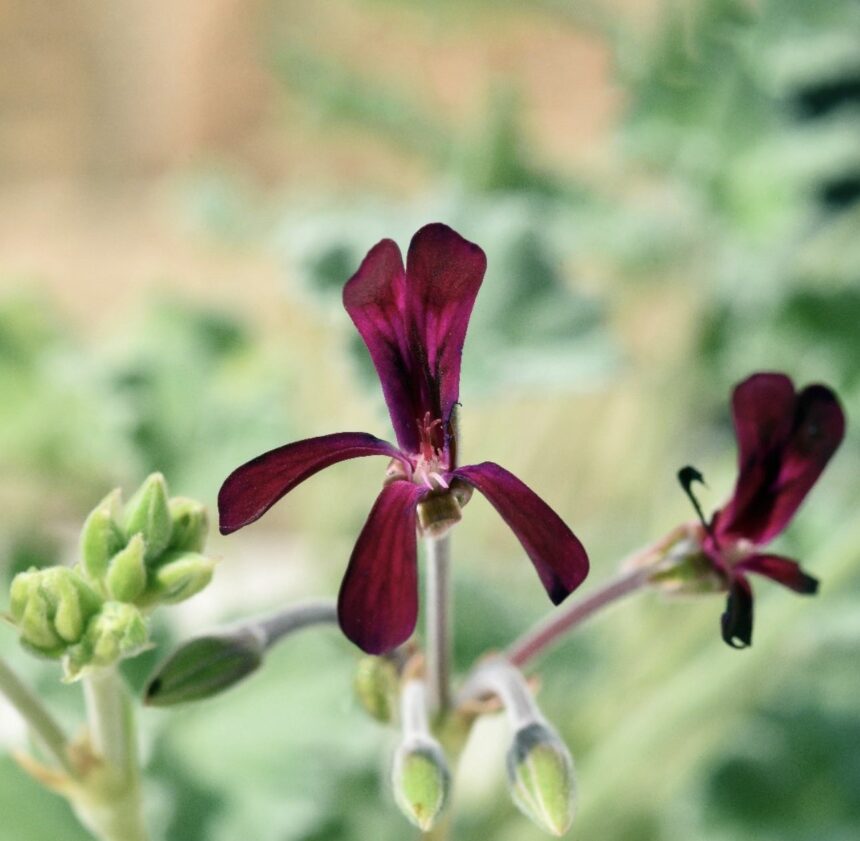
Pelargonium sidoides, widely known as the African Geranium, is one of South Africa’s most valuable medicinal plants. It has a long history of use in traditional medicine for treating respiratory infections, coughs, and colds, and its extracts are now sold globally. For farmers, this plant represents both a commercial opportunity and a responsibility to manage resources sustainably. With growing demand in local and international markets, cultivating Pelargonium sidoides can provide a steady income if proper farming practices are followed. Understanding its growing conditions, harvesting methods, and regulatory requirements is essential for farmers looking to enter this market.
The plant thrives in well-drained soils with moderate fertility and prefers sunny, open areas. It can be propagated from seeds or cuttings, with seedlings requiring careful irrigation in the early stages. Farmers need to avoid overwatering, as this can lead to root rot, and maintain spacing between plants to ensure good airflow and reduce disease risk. Pelargonium sidoides is naturally drought-tolerant once established, making it suitable for semi-arid regions. Regular weeding and monitoring for pests such as aphids or fungal infections are necessary to maintain healthy crops and ensure high-quality medicinal roots.
Harvesting the roots is the most critical part of production, as this is the part used for medicinal extracts. Roots should only be harvested from mature plants, usually after two to three years, to ensure sufficient size and potency. Sustainable practices include leaving a portion of the plant in the ground to regenerate and rotating planting areas to avoid depleting wild populations. The Revised Biodiversity Management Plan introduced by Minister Willem Aucamp provides guidelines for legal harvesting, benefit-sharing, and cultivation practices, helping farmers comply with regulations while protecting natural stocks. Following these guidelines ensures that farming remains both profitable and environmentally responsible.
Market opportunities for Pelargonium sidoides are expanding, particularly in Europe, Asia, and North America, where demand for natural health products continues to grow. Farmers can sell fresh roots to local processors or dried roots for export. Participating in cooperatives or community cultivation schemes can increase access to markets and provide collective bargaining power. Additionally, farmers who follow sustainable practices can gain certification that increases the value of their produce in international markets. Understanding pricing trends, quality standards, and buyer requirements is crucial for maximizing returns.
Pelargonium sidoides offers farmers a unique opportunity to cultivate a high-demand medicinal plant while contributing to biodiversity conservation. By following proper cultivation, harvesting, and regulatory practices, farmers can ensure consistent yields, sustainable production, and fair economic benefits. The Revised Biodiversity Management Plan supports these goals by promoting responsible farming and community involvement. For farmers, investing in African Geranium cultivation is not just a business choice—it is a way to secure livelihoods, support traditional knowledge, and maintain one of South Africa’s most important natural resources.
Join 'Farmers Mag' WhatsApp Channel
Get the latest Farming news and tips delivered straight to your WhatsApp
CLICK HERE TO JOIN