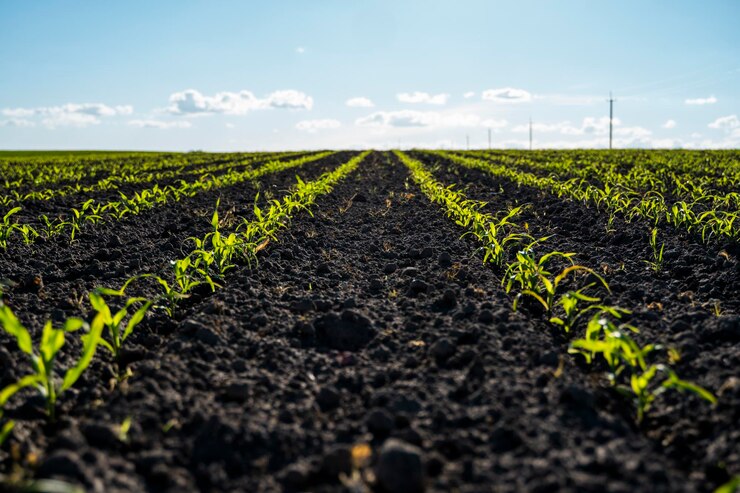
Healthy soil drives farm productivity. In South Africa, many farmers face low organic matter, erosion, and poor water retention. These problems reduce yields and increase input costs over time. You can improve your soil by using methods that build fertility and protect structure. The goal is to grow strong crops while maintaining long term soil health.
Start with organic matter because it forms the foundation of fertile soil. Compost, animal manure, and crop residues improve soil structure and support microbial life. This leads to better nutrient availability and stronger root development. Compost made from plant waste and manure improves water retention and soil texture. Leaving crop residues on the field returns nutrients to the soil and reduces waste.
Use cover crops and green manure to protect and enrich your soil between growing seasons. Cover crops like clover, vetch, and rye reduce erosion and improve soil structure. Their roots help water move deeper into the soil, which supports plant growth. When you incorporate them into the soil, they add organic matter and nutrients. Legumes also fix nitrogen naturally, which reduces the need for synthetic fertilizers.
Apply crop rotation to maintain soil balance and reduce pest pressure. Rotating crops prevents nutrient depletion and supports healthier soil systems. For example, you can plant legumes after maize to restore nitrogen levels. Different crops use and return nutrients in different ways, which helps maintain fertility. This practice also breaks pest and disease cycles, which lowers the need for chemical inputs.
Reduce tillage to protect soil structure and maintain organic matter. Frequent ploughing breaks down soil aggregates and disrupts beneficial organisms. Conservation tillage or no till methods keep the soil stable and improve water infiltration. This helps reduce runoff and keeps moisture in the ground for longer periods. Keeping soil covered with plant material also protects it from erosion and heat.
Control erosion and manage water carefully to prevent soil loss. Techniques like terracing slow down water movement on sloped land and reduce runoff. Mulching with grass, straw, or leaves protects the soil surface and reduces evaporation. It also suppresses weeds and improves soil quality as it breaks down. Adding trees through agroforestry can improve soil stability and increase organic matter over time.
Improve soil chemistry by managing nutrients based on actual needs. Soil testing helps you understand nutrient levels and pH balance. You can apply lime to reduce acidity and improve nutrient uptake. Natural amendments like rock phosphate or biochar can boost fertility and improve soil structure. Balanced fertilization ensures crops receive the right nutrients without waste.
Integrate livestock where possible to support natural nutrient cycling. Rotational grazing spreads manure evenly and reduces soil compaction. This improves pasture quality and adds organic matter back into the soil. Livestock systems can reduce reliance on external fertilizers. When managed correctly, they support a more resilient and productive farming system.
Soil improvement requires consistency and the right combination of practices. Focus on building organic matter, protecting soil structure, and managing nutrients carefully. Use methods like composting, cover cropping, crop rotation, and reduced tillage together for better results. These approaches improve yields and reduce long term costs. Strong soil supports stable production and long term farming success.
Join 'Farmers Mag' WhatsApp Channel
Get the latest Farming news and tips delivered straight to your WhatsApp
CLICK HERE TO JOIN