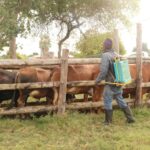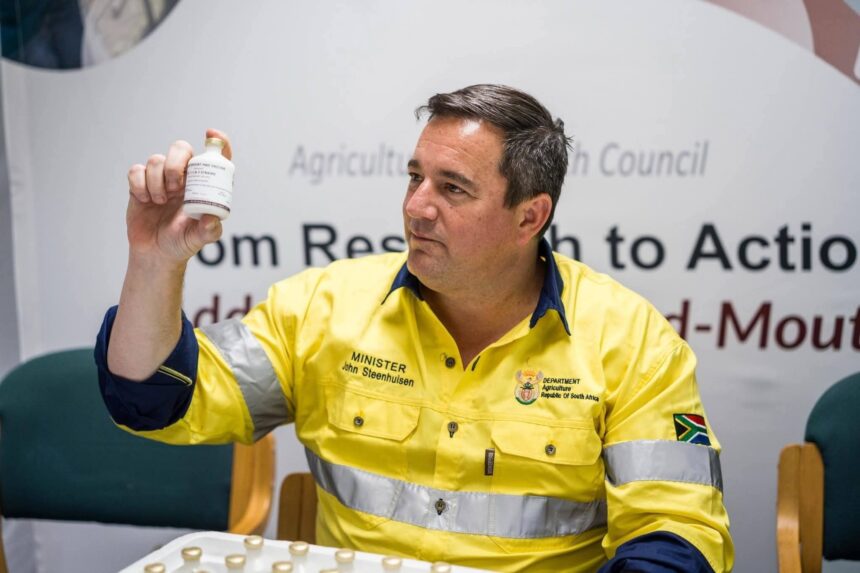
Today, Minister John Steenhuisen visited Colbourne Dairy Farm near Mooi River in the uMngeni Municipality, KwaZulu-Natal, as part of the government’s ongoing Foot and Mouth Disease (FMD) vaccination campaign. This visit highlights a hands-on approach to controlling the spread of FMD and protecting the national livestock herd. Foot and Mouth Disease poses a serious threat to livestock, affecting cattle, sheep, goats, and pigs, and can have devastating economic consequences for farmers and the broader agricultural sector. By actively supporting vaccination and awareness efforts, the government aims to safeguard food security, preserve jobs in the livestock industry, and ensure that farmers can maintain productive operations. The initiative underscores the importance of proactive measures in disease management and community engagement.
The FMD vaccination drive involves a coordinated effort between government officials, veterinary services, and farmers to ensure that animals across high-risk areas receive timely protection. Vaccination not only reduces the risk of infection but also helps contain outbreaks before they spread to new regions. On the ground, veterinary teams are educating farmers on proper vaccine administration, monitoring livestock health, and maintaining accurate records to track progress. Farmers are actively participating in the campaign by ensuring their animals are available for vaccination and following biosecurity measures recommended by officials. This collaborative approach strengthens trust between government and farming communities while promoting a culture of disease prevention.
Acting decisively is critical to minimizing the impact of FMD on the livestock sector. The disease can lead to decreased milk production, reduced growth rates, and restrictions on animal movement, which directly affect farm income and the availability of meat and dairy products. By vaccinating the national herd, the government is reducing the likelihood of widespread outbreaks that could disrupt markets and trade. Minister Steenhuisen’s engagement at Colbourne Dairy Farm demonstrates the commitment to hands-on intervention, showing that leadership and direct action are essential components of effective disease management. These measures help ensure that farmers can continue to operate without the threat of large-scale losses.
Community cooperation is also a key element in the success of the FMD response. Farmers, veterinary staff, and local authorities must work together to implement vaccination schedules, monitor animal health, and report suspected cases immediately. Information sharing and training on biosecurity practices help prevent the introduction and spread of the virus. By fostering a sense of shared responsibility, the campaign ensures that all stakeholders are aligned in protecting livestock and maintaining food security. This inclusive approach not only addresses immediate risks but also strengthens the resilience of the livestock sector for future challenges.
The vaccination drive at Colbourne Dairy Farm is a clear example of proactive and collaborative disease management in South Africa. By combining government leadership, veterinary expertise, and farmer participation, the campaign is actively protecting livestock, livelihoods, and the broader agricultural economy. The focus on vaccination, biosecurity, and community engagement ensures that the FMD response is effective and sustainable. Through continued action and cooperation, South Africa is building a stronger, more resilient livestock sector capable of withstanding disease threats. Minister Steenhuisen’s presence underscores the government’s commitment to securing the future of farming and reinforcing food security across the country.
Join 'Farmers Mag' WhatsApp Channel
Get the latest Farming news and tips delivered straight to your WhatsApp
CLICK HERE TO JOIN