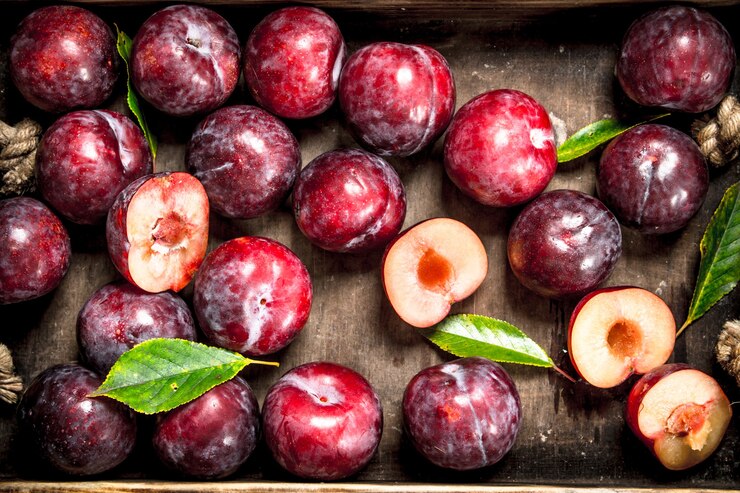
South Africa’s horticulture sector continues to expand its global reach as premium plum varieties move from Western Cape orchards to shelves in China. Ruby Star and African Delight, developed by ARC Infruitec-Nietvoorbij and commercialised with Culdevco, show how local research can deliver strong results for farmers. These cultivars combine high sweetness, strong shelf life, and reliable transport performance, which are key for export success. Farmers who grow for export need varieties that can handle long shipping periods without losing quality. This shift toward premium cultivars gives South African producers a clear advantage in competitive global markets.
The production process starts with careful orchard management and precise harvesting at peak ripeness to secure the best flavour and firmness. Farmers track sugar levels closely, with African Delight reaching 16 to 20 degrees Brix and Ruby Star reaching 16 to 18 degrees Brix, which improves market acceptance and pricing. Strong orchard practices such as proper pruning, pest control, and balanced fertilisation support consistent fruit size and quality. After harvest, fruit is packed and stored at minus 0.5 degrees Celsius to maintain freshness during long distance transport. This cold chain allows plums to travel for up to seven weeks by sea while staying firm and market ready. Farmers who want to enter export markets must invest in proper handling systems and follow strict quality standards from harvest to delivery.
Post harvest performance is critical for export success, and these plum varieties are bred to handle long storage without developing internal defects. Resistance to issues like woolliness and browning reduces losses and protects farm income. For farmers, this means fewer rejected shipments and better returns per load. Reliable fruit quality also helps build long term relationships with buyers, which is essential for stable export contracts. Choosing cultivars with strong post harvest traits is a practical step farmers can take to reduce risk and improve profitability.
Export driven production creates clear economic benefits for farmers and the wider agricultural sector. High value plum exports increase foreign income and open access to new markets beyond local demand. Premium cultivars deliver higher returns per hectare, which helps farmers justify the cost of orchard establishment and management. For farmers considering expansion, planting export grade varieties can improve long term income potential. However, success depends on meeting strict export requirements, including grading, packaging, and compliance with phytosanitary standards. Farmers should work closely with exporters and industry bodies to understand these requirements before scaling production.
The growth of premium plum exports also drives job creation across the value chain. Increased production supports work in nurseries, orchards, packhouses, cold storage facilities, and logistics. Each hectare planted creates both seasonal and permanent jobs, which strengthens rural economies in the Western Cape. For farmers, expanding production not only increases income but also contributes to local employment and skills development. This makes horticulture a strong driver of both farm level and community level growth.
Ruby Star and African Delight also highlight the value of local innovation in agriculture. These varieties are developed in South Africa, which reduces reliance on imported plant material and gives farmers access to cultivars suited to local conditions. Farmers benefit from improved performance, better yields, and stronger market positioning. Investing in locally developed varieties also supports the national agricultural system and encourages further research and development. This creates a cycle of innovation that benefits the entire sector.
The success of these plum varieties shows that farmers can improve profitability by focusing on quality, consistency, and market demand. Choosing the right cultivars, applying strong orchard management practices, and investing in post harvest systems are key steps toward export success. Farmers who align production with market requirements can access higher value opportunities and build more stable businesses. With the right approach, South African producers can continue to compete on the global stage and deliver premium fruit to international markets.
Join 'Farmers Mag' WhatsApp Channel
Get the latest Farming news and tips delivered straight to your WhatsApp
CLICK HERE TO JOIN