Winter presents a major challenge for livestock farmers, as natural grazing often declines in nutritional quality, impacting animal health, growth, and productivity. During this period, pastures become dormant, fiber content increases, and protein and energy levels drop, leaving animals unable to meet their nutritional requirements from grazing alone. Supplements play a critical role in bridging this gap, ensuring livestock maintain body condition, reproductive performance, and immunity throughout the season. Choosing the right supplementation strategy can prevent weight loss, reduce disease susceptibility, and improve overall herd performance. For small-scale and commercial farmers alike, understanding the role of supplements is essential for effective winter management.
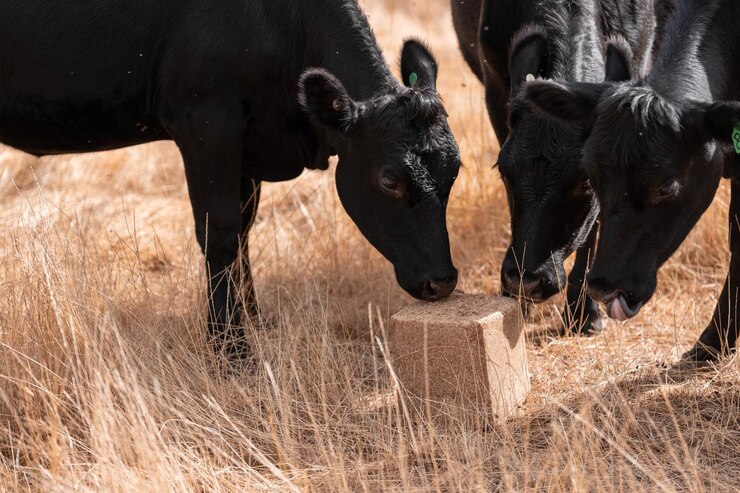
Protein supplements are among the most important tools when managing low-quality winter grazing. When pasture protein levels fall below required thresholds, rumen function is impaired, and forage digestion becomes inefficient. Providing protein-rich supplements, such as commercial protein meals, legumes, or molasses-based blocks, helps maintain microbial activity in the rumen, improving fiber digestion and nutrient absorption. Balanced supplementation ensures livestock continue to gain or maintain weight despite poor pasture quality, reducing the risk of emaciation and reproductive problems. Strategic use of protein supplements also supports lactating animals, ensuring milk production does not decline during the winter months.
Energy supplementation is equally important, particularly for animals facing cold stress. Low-energy forage fails to provide sufficient calories for maintenance, and energy deficits can lead to reduced growth, weakened immunity, and delayed breeding cycles. Feed options like cereal grains, high-energy pellets, or molasses mixtures provide the additional calories needed to sustain activity and body condition. Combining protein and energy supplements in a targeted feeding plan ensures animals efficiently convert low-quality forage into usable energy and maintain optimal performance. Timing supplementation to match periods of greatest nutritional stress maximizes benefits while controlling feed costs.
Minerals and vitamins are often overlooked but are critical components of a winter supplementation strategy. Deficiencies in calcium, phosphorus, magnesium, and trace minerals can exacerbate the effects of poor forage, causing metabolic disorders, reduced fertility, and slower growth. Providing free-choice mineral licks or fortified feed supplements ensures livestock receive essential micronutrients, supporting skeletal development, immune function, and overall health. Monitoring herd condition and adjusting mineral supplementation based on seasonal forage analysis allows farmers to address deficiencies proactively and avoid costly health problems.
In conclusion, supplements are a vital component of managing low-quality winter grazing and maintaining livestock productivity. Protein, energy, and mineral supplementation help animals cope with the nutritional limitations of dormant pastures, supporting weight maintenance, reproductive performance, and immunity. Implementing a strategic supplementation plan tailored to herd needs and seasonal forage quality improves overall farm profitability and animal welfare. For farmers managing winter challenges, integrating supplements into grazing management ensures livestock remain healthy and productive until pastures regain quality in the spring. By combining sound pasture management with targeted supplementation, farmers can safeguard herd performance and maintain sustainable production throughout the winter months.
Join 'Farmers Mag' WhatsApp Channel
Get the latest Farming news and tips delivered straight to your WhatsApp
CLICK HERE TO JOIN