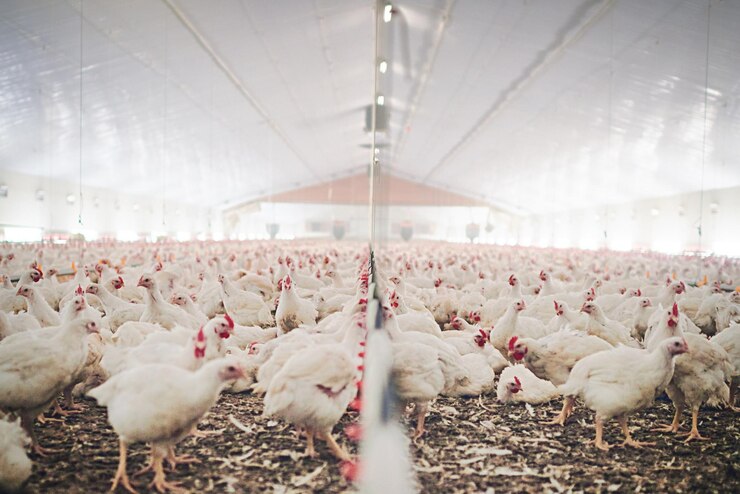
Last year, Minister of Agriculture John Steenhuisen promised large-scale vaccinations for both the cattle and poultry industries, targeting foot-and-mouth disease (FMD) in cattle and bird flu in chickens. While some progress has been made in the FMD vaccination programme, bird flu vaccinations remain largely stalled. To date, only one farm in South Africa has vaccinated chickens against the disease, despite the poultry sector losing billions of rands in 2023 and culling millions of birds due to outbreaks.
The South African Poultry Association (SAPA) notes that cattle vaccinations for FMD are proceeding more efficiently, with fewer regulatory obstacles compared to the poultry sector. FMD vaccination protocols are relatively flexible, whereas bird flu vaccinations are delayed due to stringent biosecurity standards and costly monitoring requirements. The association has raised concerns with the Article 23 committee, which oversees complaints related to veterinary regulations. SAPA has since written to Minister Steenhuisen, requesting urgent discussions to address these inconsistencies.
Differences in regulatory frameworks contribute to the slow rollout in poultry. FMD vaccines benefit from a special registration process for the three known serotypes, while bird flu vaccines fall under the Fertilizers, Farm Feeds, Agricultural Remedies and Stock Remedies Act (Act 36 of 1947). Only the H5N1 vaccine is currently registered. Vaccines for the H7 and H9 serotypes, including a new variant identified in Mozambique, have not yet been approved. A local H7N6 vaccine developed after last year’s outbreak must still complete full testing before deployment.
The poultry industry also faces challenges in implementing monitoring protocols. Vaccinations require strict sampling to ensure no infected birds are present in the flock. State veterinarians, who must conduct the testing, are in short supply. The state has proposed that private veterinarians take samples at producers’ expense, though SAPA argues that trained farm personnel could perform the task to reduce costs. Pooling samples has also been suggested as a cost-effective alternative, but approval has not been granted.
Financial and staffing support further differs between sectors. The cattle industry receives state funding and veterinary assistance, with reports of R1.8 billion allocated to support FMD vaccination campaigns. In contrast, poultry producers are expected to cover the full cost of vaccinations, monitoring, and technician services. Some progress is being made, with Astral Foods vaccinating breeding chickens on a single farm under strict supervision, following protocols similar to those used for Newcastle disease. Vaccinations start in hatcheries at one day old, with follow-up doses administered on farms by trained teams.
With bird flu outbreaks in the United States and Europe during the Northern Hemisphere winter, South African poultry producers face heightened risk in the coming months. SAPA urges faster action and more practical vaccination protocols to protect the industry, prevent further losses, and ensure the country’s poultry supply remains secure.
Join 'Farmers Mag' WhatsApp Channel
Get the latest Farming news and tips delivered straight to your WhatsApp
CLICK HERE TO JOIN