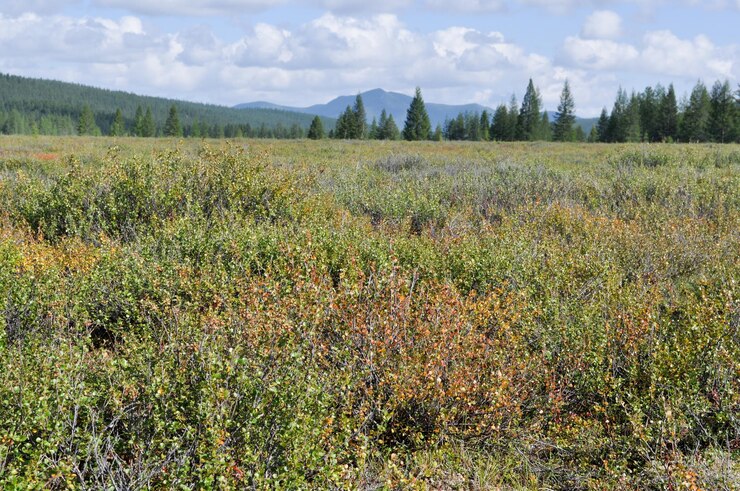
When considering clearing land that has never been ploughed, farmers often focus on potential benefits like new crops, expanded grazing, or building infrastructure. In South Africa, clearing natural pasture is a regulated activity with legal implications. It is governed by several laws designed to protect soil, water, biodiversity, and heritage, ensuring that farmland remains productive for future generations.
The Conservation of Agricultural Resources Act (CARA), Act 43 of 1983, is the main law controlling the cultivation of virgin soil and steep slopes. Unplanned clearing can expose soil to erosion, strip fertile topsoil, and reduce land productivity. CARA requires farmers to obtain written permission, often called a ploughing certificate, before cultivating land that has not been ploughed in the past ten years or has slopes above 20%. This ensures that the land is suitable for cultivation and that soil and ecosystems are protected.
Large-scale clearing may also trigger other legal requirements. The National Environmental Management Act (NEMA) requires environmental authorisation for removing indigenous vegetation over one hectare. The National Water Act (NWA) regulates water use related to irrigation, storage, or modifying wetlands. The National Heritage Resources Act (NHRA) ensures that any historical or cultural sites are assessed before land is altered. Together, these laws form a framework for responsible agricultural development.
For example, if a farmer plans to clear 15 hectares of virgin soil and use water from a nearby river, approvals are required from multiple authorities: a CARA ploughing certificate from the provincial Department of Agriculture, environmental authorisation under NEMA, a water use licence under NWA, and heritage clearance from SAHRA. Ignoring these requirements can result in fines, restoration orders, or even expropriation.
Farmers can stay compliant by following these steps:
- Assess the land – Confirm if it is truly virgin soil and identify sensitive areas like steep slopes or watercourses.
- Prepare a motivation – Explain the intended use, such as crops, pastures, or infrastructure.
- Apply for authorisation – Submit maps and details to the relevant authorities. Engage qualified professionals if needed.
- Implement conservation measures – Use contour ploughing, maintain buffer zones, and limit soil disturbance.
- Keep documentation – Retain all permits and plans to prove legal compliance.
Clearing natural pasture is not just a farm management decision; it is a legal responsibility. By following CARA, NEMA, NWA, and NHRA requirements, farmers protect their land, water, and heritage while expanding production sustainably. Responsible planning ensures soil remains fertile, ecosystems are preserved, and farms remain productive for future generations.
Join 'Farmers Mag' WhatsApp Channel
Get the latest Farming news and tips delivered straight to your WhatsApp
CLICK HERE TO JOIN