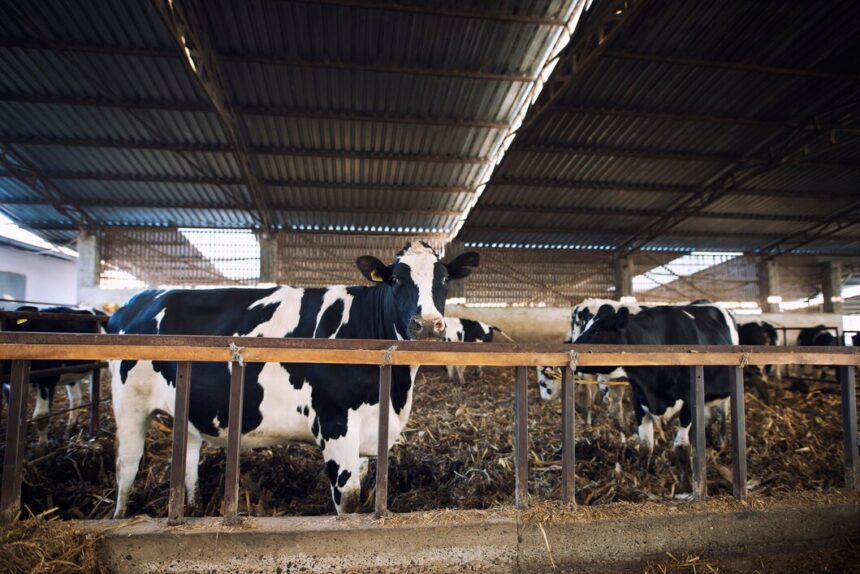
Brucellosis in cattle remains a persistent and silent threat to South African farmers, affecting both animal health and farm profitability. Caused by the bacteria Brucella abortus, the disease primarily leads to abortions, stillbirths, reduced milk production, and infertility in affected herds. While the clinical signs can sometimes be subtle, the economic impact is significant, particularly for smallholder and commercial farmers who rely on healthy livestock for income and food security. Uncontrolled brucellosis also poses a public health risk, as the disease can be transmitted to humans through direct contact with infected animals or consumption of unpasteurized milk and dairy products.
In South Africa, brucellosis is managed through strict veterinary protocols, including testing, vaccination, and culling of infected animals. Regular herd testing helps detect carriers early, preventing the spread of the bacteria within and between herds. Vaccination of young female calves is a key preventive measure, with the RB51 and S19 vaccines widely used to reduce susceptibility. Farmers are advised to maintain biosecurity measures, such as isolating new or returning animals, controlling herd movement, and sanitizing equipment and facilities to minimize transmission risks.
The disease disproportionately affects rural and small-scale farmers who may have limited access to veterinary services and resources. Infected herds can experience long-term productivity losses, making it difficult for farmers to sustain operations. South African authorities, through state veterinary offices and agricultural extension services, are working to provide education, vaccination campaigns, and support for affected farmers. Awareness campaigns emphasize the importance of reporting abortions, maintaining herd health records, and following vaccination schedules to safeguard livestock and livelihoods.
Brucellosis also impacts trade and export opportunities. Farms and regions with high prevalence rates face restrictions on the movement and sale of cattle, limiting access to profitable markets. Farmers are therefore encouraged to participate in herd improvement programs and adhere to disease-free certification standards, which protect both their animals and their business reputation. Cooperation between farmers, veterinarians, and government agencies is critical to controlling brucellosis and ensuring the sustainability of South Africa’s cattle industry.
Proactive management of brucellosis requires vigilance, consistent testing, and proper vaccination strategies. Farmers who invest in preventive measures not only protect their herds but also contribute to the overall health of the national cattle population. By understanding the risks and taking decisive action, South African farmers can reduce the economic and health impacts of this silent but dangerous disease, securing livestock productivity and rural livelihoods for years to come.
Join 'Farmers Mag' WhatsApp Channel
Get the latest Farming news and tips delivered straight to your WhatsApp
CLICK HERE TO JOIN