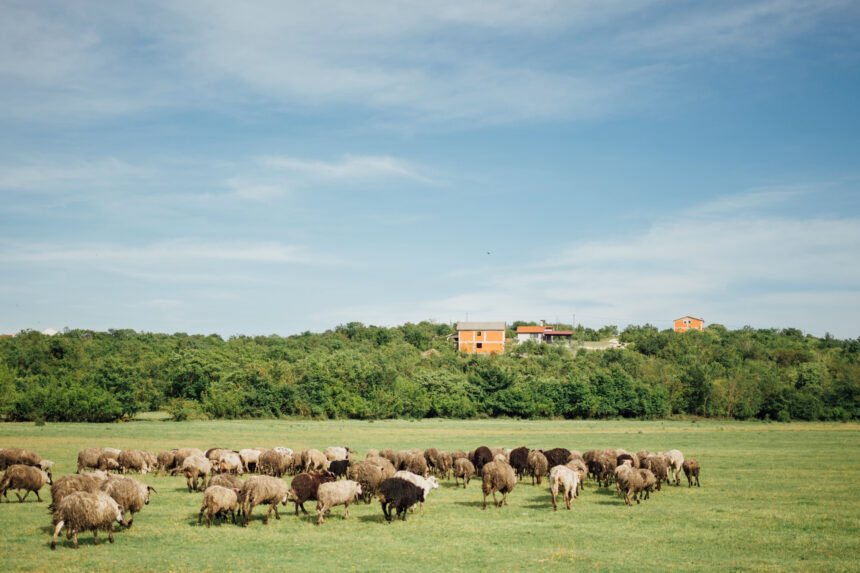
Commercial livestock farming on 50–100 hectares offers farmers the opportunity to generate significant income while maintaining manageable herd sizes. This scale of farming allows for efficient rotational grazing, pasture management, and proper disease control. Cattle, sheep, and goats are the most common livestock choices, each providing unique benefits and market opportunities. Farmers can diversify income streams by producing meat, milk, hides, and other animal products, reducing dependence on a single commodity.
Cattle are ideal for larger paddocks, as they require more grazing space and water. Depending on the breed, they can provide beef for local and export markets or milk for dairy products. Implementing rotational grazing and supplementing with fodder crops such as lucerne or ryegrass improves weight gain and overall herd health. Proper fencing, water points, and shelter are essential to maintain productivity and prevent losses from disease or predation.
Sheep are suitable for medium to smaller paddocks and are highly adaptable to different grazing systems. They provide meat, wool, and breeding stock for sale. Sheep thrive on diverse pastures, including legumes and natural grasses, which can improve soil fertility through nitrogen fixation. Breeds such as Dorper and Merino are popular for their meat and wool quality, while careful management prevents common health issues like internal parasites and foot rot.
Goats are hardy, low-maintenance livestock that complement cattle and sheep farming. They can browse on shrubs and weeds that other livestock avoid, making them ideal for mixed-species grazing. Goats provide meat, milk, and skins, and certain breeds, like Boer goats, are highly sought after for their growth rates and market demand. Effective herd management includes regular deworming, vaccinations, and secure fencing to prevent escapes and predation.
For commercial success, farmers on 50–100 hectares must prioritize pasture management, water supply, and breeding strategies. Rotational grazing helps prevent overgrazing and maintains soil health. Combining cattle, sheep, and goats allows for better utilization of available forage and reduces the risk of market fluctuations affecting overall income. Additionally, maintaining accurate records of animal performance, health, and production supports decision-making and improves profitability.
Investing in commercial livestock farming at this scale can provide stable income while supporting rural economies. By carefully selecting breeds, implementing proper grazing systems, and practicing proactive health management, farmers can maximize productivity from 50–100 hectares. With market planning and sustainable practices, cattle, sheep, and goats can become a profitable and long-term agricultural venture.
Join 'Farmers Mag' WhatsApp Channel
Get the latest Farming news and tips delivered straight to your WhatsApp
CLICK HERE TO JOIN