Veld forms the foundation of South Africa’s livestock industry, providing natural grazing for cattle and other ruminants. Understanding the different veld types is essential for effective herd management, optimal nutrition, and sustainable farming practices. Velds vary by climate, soil type, vegetation, and rainfall, and each type affects cattle growth, milk production, and overall herd health differently. Proper management ensures that grazing resources are used efficiently while maintaining ecological balance.
South Africa’s main veld types include Highveld, Lowveld, Sourveld, Sweetveld, and Mixed Veld. Highveld is characterised by high rainfall and fertile soils, supporting nutritious grasses that promote strong cattle growth. Lowveld, in contrast, has lower rainfall and coarser grasses, which may require supplementary feeding during dry seasons. Sourveld is typically nutrient-poor and loses palatability after the rainy season, whereas Sweetveld maintains good forage quality year-round. Mixed Veld contains species from both sour and sweet types, offering varied grazing but requiring careful rotational management.
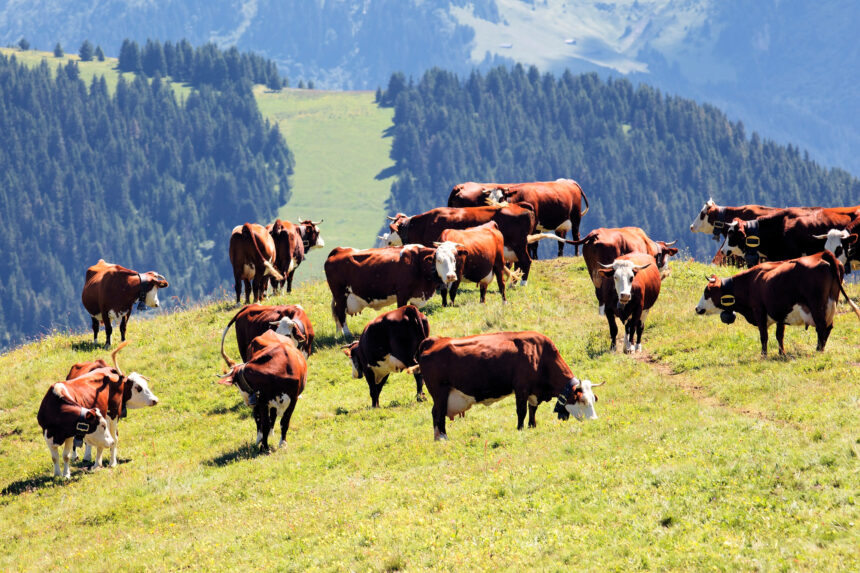
Cattle grazing performance is closely linked to veld quality. In Highveld regions, cattle gain weight efficiently due to high-protein grasses, while poor-quality sourveld may slow growth and reduce milk yield. Farmers must adapt herd size to the carrying capacity of each veld type to prevent overgrazing and land degradation. Rotational grazing and periodic resting of grazing areas help maintain plant biodiversity and soil health.
Supplementary feeding strategies are often necessary in veld types with seasonal nutrient fluctuations. Farmers may provide hay, silage, or commercial feed during dry periods to maintain herd condition. Mineral supplementation is also critical, especially in velds with naturally low phosphorus or calcium levels. Proper supplementation improves fertility, immune response, and overall productivity.
Understanding veld types also informs disease and parasite management. Certain velds may harbour ticks, worms, or poisonous plants that affect cattle health. Regular monitoring and veterinary interventions help reduce risks. In addition, veld rehabilitation practices, such as reseeding and controlled burning, support sustainable grazing and improve long-term productivity.
By understanding South Africa’s diverse veld types, cattle farmers can optimise grazing strategies, improve herd health, and enhance productivity. Effective management ensures sustainable use of natural resources while maximising the economic potential of cattle farming across different regions. Proper planning, supplementation, and monitoring are key to aligning cattle needs with veld conditions for long-term success.
Join 'Farmers Mag' WhatsApp Channel
Get the latest Farming news and tips delivered straight to your WhatsApp
CLICK HERE TO JOIN