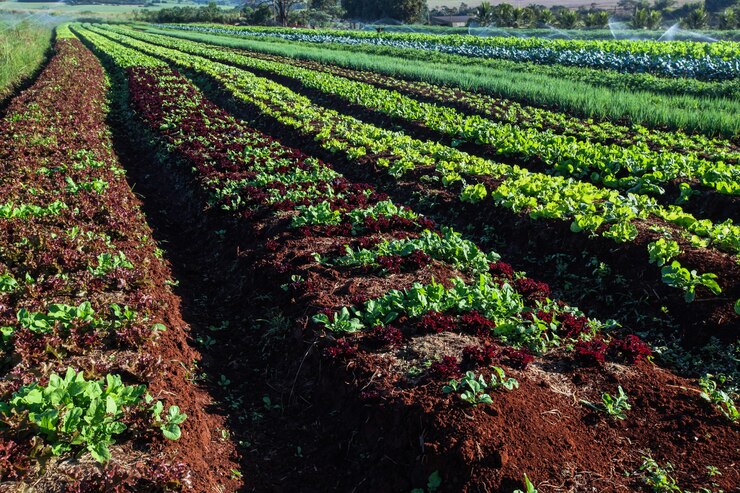
Growing vegetables and herbs intensively on a 1-hectare plot allows small-scale farmers to maximize yield, diversify crops, and increase income. Intensive production focuses on using space efficiently, managing soil fertility, and applying modern farming techniques to get the highest output per square meter. This approach is suitable for high-value crops such as tomatoes, peppers, spinach, basil, coriander, and parsley. Farmers can use raised beds, greenhouses, and drip irrigation systems to improve plant growth and reduce water waste. Proper planning ensures that crops mature at different times, providing a continuous harvest throughout the year. Intensive farming also allows farmers to explore niche markets such as restaurants, farmers’ markets, and grocery stores.
Soil preparation is critical for successful intensive vegetable and herb production. Farmers should test soil for nutrients and pH levels before planting. Incorporating organic compost and fertilizers improves fertility and ensures strong plant growth. Raised beds or well-marked rows improve drainage and reduce the risk of root diseases. Crop rotation and intercropping help maintain soil health while reducing pest and disease pressure. Mulching around plants conserves moisture, suppresses weeds, and stabilizes soil temperature. Regular monitoring of soil moisture and nutrient levels is essential to achieve optimal yields.
Water management is another key factor. Drip irrigation systems are highly effective for intensive plots, delivering water directly to the roots and reducing wastage. Timed irrigation ensures crops receive consistent moisture, which improves growth and prevents stress. For herbs and leafy vegetables, frequent but controlled watering promotes tender leaves and consistent flavor. Rainwater harvesting can supplement irrigation, lowering water costs. Monitoring plant needs during dry and hot seasons prevents losses due to water stress. Efficient water use directly impacts crop yield, quality, and profitability.
Crop selection and spacing influence production success. Farmers should choose vegetables and herbs with high market demand and fast growth cycles. Leafy greens like spinach, kale, and lettuce grow quickly and can be harvested multiple times. Herbs like basil, mint, and coriander provide high-value returns in small spaces. Proper spacing ensures air circulation, reduces disease risk, and allows efficient access for maintenance and harvesting. Staggered planting schedules maximize harvest frequency and reduce periods without production. Combining fast-growing vegetables with slower-growing crops optimizes land use and income potential.
Pest and disease management is essential in intensive farming. Frequent monitoring allows early detection of problems before they spread. Integrated Pest Management (IPM) combines natural predators, biological control, and safe chemical interventions to protect crops. Using disease-resistant varieties reduces losses and improves productivity. Maintaining proper plant hygiene, pruning, and removing infected leaves prevents contamination. Regular sanitation of tools, irrigation lines, and greenhouses further reduces pest pressure. Healthy crops result in higher yields and better-quality produce for the market.
Marketing and sales strategies are crucial for profitability. Farmers can sell fresh vegetables and herbs to local restaurants, supermarkets, and online markets. Value addition, such as packaging herbs in small bundles or producing herb-infused oils, increases revenue. Direct-to-consumer sales through farmers’ markets or subscription boxes strengthen customer loyalty. Proper storage and transport maintain freshness, allowing access to premium markets. Diversifying crop types reduces risk if market prices fluctuate for a single product. Intensive production with a clear marketing plan ensures steady income throughout the year.
Intensive vegetable and herb production on 1 hectare can generate high yields and consistent revenue when managed properly. Success depends on soil fertility, water management, crop selection, pest control, and effective marketing. Using modern techniques such as raised beds, drip irrigation, and staggered planting improves efficiency and profitability. By focusing on high-value crops and sustainable practices, farmers can maximize returns from a small area. This approach is ideal for small-scale farmers seeking to increase productivity while meeting market demand for fresh, high-quality vegetables and herbs.
Join 'Farmers Mag' WhatsApp Channel
Get the latest Farming news and tips delivered straight to your WhatsApp
CLICK HERE TO JOIN