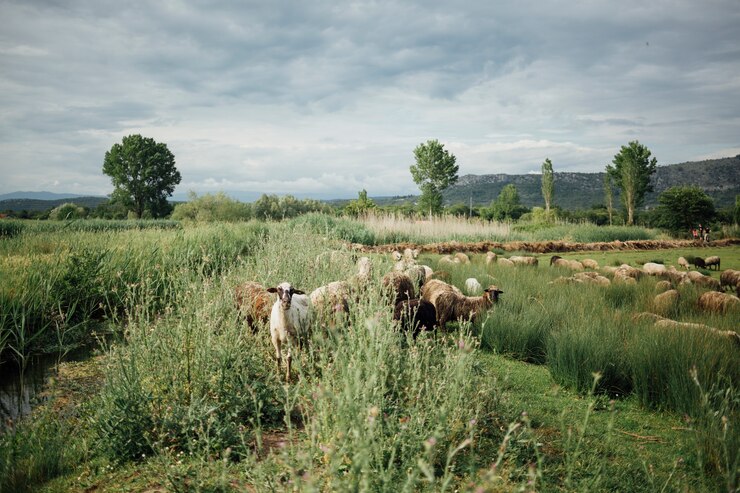
South African farmers are increasingly turning to drought-resistant fodder crops to maintain livestock productivity in the face of climate change. Spekboom (Portulacaria afra) and Old Man Saltbush (Atriplex nummularia) are among the most effective options, offering resilience during prolonged dry periods while providing high nutritional value for livestock. Integrating these crops into grazing systems helps farmers secure feed, reduce costs, and protect the environment.
Spekboom is a succulent plant native to South Africa, known for its water retention and adaptability to arid conditions. It contains high levels of protein and essential minerals, making it a valuable supplement for cattle, goats, and sheep. Spekboom also improves soil health by reducing erosion and increasing organic matter. Its rapid growth allows farmers to establish a reliable feed source in a relatively short time, providing both immediate and long-term benefits.
Old Man Saltbush is another hardy fodder crop suited to semi-arid and saline soils. It is particularly useful in regions with low rainfall and poor-quality grazing land. Saltbush is rich in protein, fiber, and minerals, supporting animal growth and milk production even under challenging conditions. Its deep root system enhances soil stability and promotes water infiltration, contributing to sustainable land management practices.
Planting and managing these crops requires careful planning. Farmers should establish paddocks with appropriate spacing to prevent overgrazing and allow regeneration. Supplementary irrigation may be applied during the establishment phase, but both Spekboom and Saltbush can thrive with minimal water once mature. Rotational grazing ensures animals consume the plants sustainably, maintaining fodder availability year-round.
Beyond livestock nutrition, these crops support climate resilience and environmental sustainability. Spekboom is a natural carbon sink, absorbing significant amounts of CO2, while Saltbush tolerates harsh soil conditions that other crops cannot. By incorporating drought-resistant fodder into their systems, farmers reduce dependence on imported feed, lower costs, and maintain consistent livestock performance during dry seasons.
Drought-resistant fodder crops like Spekboom and Old Man Saltbush offer practical, sustainable solutions for livestock farmers facing unpredictable weather patterns. They improve feed security, enhance soil health, and support environmentally responsible farming practices. With careful management, these crops can transform dryland farming into a resilient and profitable enterprise.
Join 'Farmers Mag' WhatsApp Channel
Get the latest Farming news and tips delivered straight to your WhatsApp
CLICK HERE TO JOIN