Carbon farming is gaining attention across South Africa as farmers look for new income streams and more resilient production systems. The main question many farmers ask is whether carbon farming actually pays. The answer is yes, but only under specific conditions. Carbon farming refers to practices that increase carbon stored in soil and vegetation or reduce greenhouse gas emissions. These practices allow farmers to generate carbon credits that can be sold on carbon markets. Payment depends on proof, verification, and long term commitment.
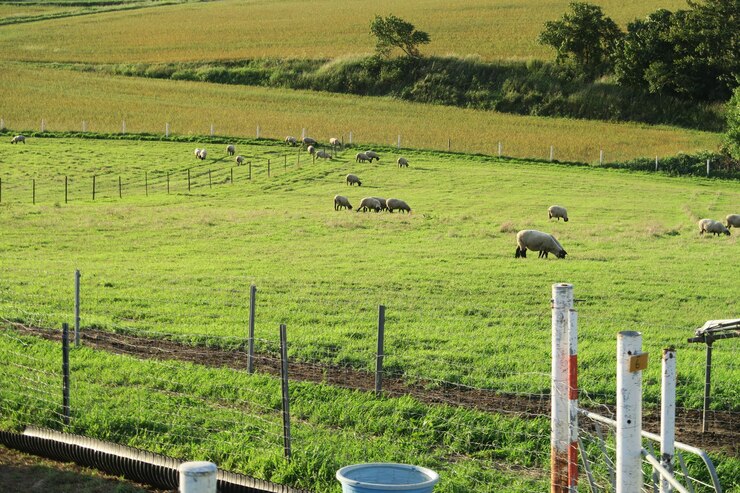
In South Africa, carbon farming focuses mainly on soil carbon and rangeland management. Common practices include rotational grazing, reduced tillage, cover cropping, restoring degraded land, and improved veld management. These methods increase organic matter in the soil and improve overall farm productivity. Carbon credits represent one tonne of carbon dioxide equivalent removed or avoided. To earn credits, your farm must follow approved methodologies and be audited by independent verifiers. Most South African projects operate within international voluntary carbon markets.
Carbon payments are not immediate. You only get paid once carbon gains are measured and verified over time. This process can take two to five years before the first payout. Income levels vary widely based on land size, rainfall, soil type, and management practices. In many cases, carbon income ranges from a few hundred to a few thousand rand per hectare over several years. Carbon farming should support your main farming income, not replace it.
There are costs and risks involved. Baseline studies, monitoring, verification, and administration all carry expenses. Many farmers work with project developers who cover upfront costs in exchange for a share of future revenue. Contracts require careful review because they often involve long term commitments. If practices are reversed, credits can be lost or penalties applied. Not all farms qualify, so proper assessment is essential.
Carbon farming works best when it aligns with good farming principles. Healthier soils improve water retention, forage production, and drought resilience. These benefits often deliver more value than the carbon payments alone. Demand for high quality carbon credits remains strong, but scrutiny is increasing. Farmers who treat carbon farming as a long term land improvement strategy are more likely to succeed. You can get paid for carbon farming in South Africa, but only with discipline, patience, and sound management.
Join 'Farmers Mag' WhatsApp Channel
Get the latest Farming news and tips delivered straight to your WhatsApp
CLICK HERE TO JOIN