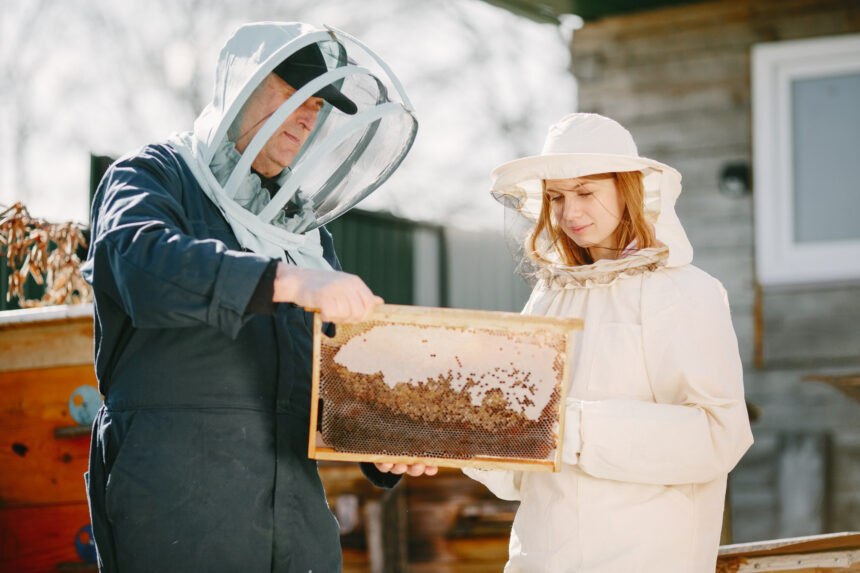
Beekeeping is gaining popularity in South Africa, not only as a source of honey and other hive products but also as a way to protect pollinators essential for food production and biodiversity. Bees play a critical role in pollinating crops such as citrus, macadamias, and sunflowers, as well as wild plants that maintain healthy ecosystems. For beginners, starting a small apiary can be both rewarding and impactful.
Before starting, prospective beekeepers should learn about bee biology and hive management. Honeybees live in colonies consisting of a queen, workers, and drones. Each member has a specific role, from foraging for nectar to maintaining the hive. Understanding the colony’s lifecycle and behaviour helps beginners manage hives successfully and prevent swarming.
Choosing the right location is crucial. Bees need access to flowering plants for nectar and pollen, fresh water, and protection from strong winds. Urban areas with gardens can be suitable, but rural or peri-urban farms offer more abundant forage. Safety is also important; hives should be placed away from busy areas to reduce the risk of stings.
Beekeepers must select the appropriate equipment. Essential items include hives, frames, protective clothing, smokers, and basic tools for hive inspection. South Africa offers several hive types, such as Langstroth and top-bar hives, which cater to different management styles and production goals. Beginners should start with one or two hives to learn management practices before expanding.
Regular hive inspections are vital to monitor colony health, identify pests such as Varroa mites or wax moths, and manage diseases. Good hygiene, proper feeding, and seasonal management practices help colonies thrive. Beekeepers should also practice responsible honey harvesting to avoid stressing the colony.
Beekeeping provides both economic and environmental benefits. Honey, beeswax, propolis, and pollen can be sold locally or used for personal consumption. More importantly, supporting healthy bee populations strengthens crop yields and contributes to biodiversity. By becoming stewards of pollinators, beginner beekeepers play a key role in sustainable agriculture and ecosystem conservation.
For those starting in South Africa, joining local beekeeping associations or training programs is highly recommended. These organisations offer mentorship, practical workshops, and access to resources that improve success rates and reduce common mistakes. Starting small, learning continuously, and prioritising pollinator health ensures a sustainable and rewarding beekeeping journey.
Join 'Farmers Mag' WhatsApp Channel
Get the latest Farming news and tips delivered straight to your WhatsApp
CLICK HERE TO JOIN