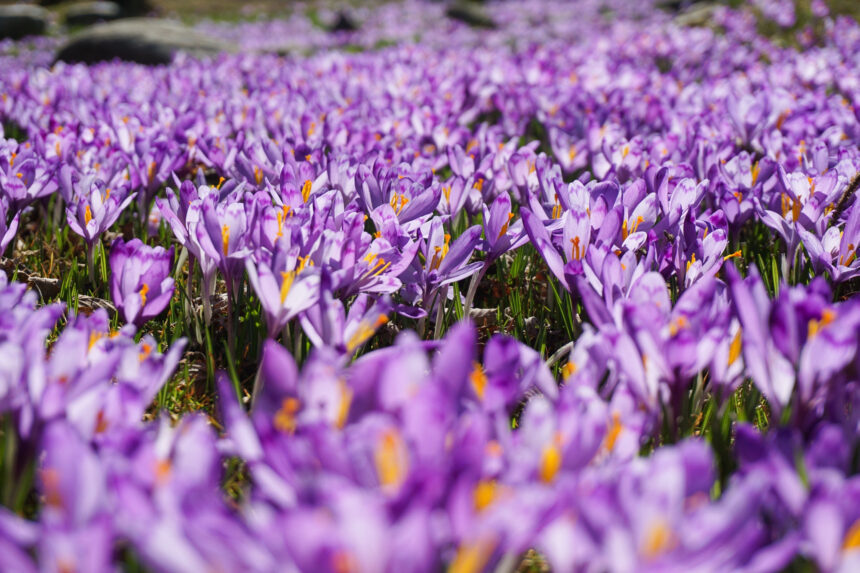
Saffron, often called “red gold” due to its high market value, is emerging as a potential high return crop for farmers in the Eastern Cape. Known for its unique flavor, aroma, and medicinal properties, saffron is one of the most expensive spices in the world. Globally, demand continues to rise, creating opportunities for small scale and commercial growers alike.
The Eastern Cape’s climate offers favorable conditions for saffron cultivation. The crop thrives in regions with dry, sunny summers and cold winters, making areas with well-drained soil ideal. Saffron is grown from corms, which are planted in early autumn and harvested in spring. Each flower produces only three red stigmas, which are carefully hand harvested, contributing to its high labour costs and market price.
Cultivating saffron requires careful planning and attention. Fields must be prepared with well-draining soil rich in organic matter. Irrigation is necessary but should avoid waterlogging, as excess moisture can cause corm rot. Weed control is critical, as saffron grows slowly in its first year and can be outcompeted by aggressive weeds. Harvesting is labour intensive, but the reward lies in the premium price of the dried stigmas.
Economically, saffron offers significant potential for Eastern Cape farmers. Even small plots can yield a high return per hectare compared to traditional crops. Beyond direct sales of dried saffron, value added opportunities exist through essential oils, extracts, and culinary products. The crop also allows for diversification, supporting rural income generation and boosting local agro-economies.
Challenges remain, including high initial investment costs, the need for skilled labour, and maintaining quality standards to meet export requirements. Farmers must also establish reliable market links, as the global saffron market is competitive and quality driven. Training and extension support can help new growers navigate production, harvesting, and post-harvest handling effectively.
Saffron cultivation in the Eastern Cape represents more than a niche crop; it is an opportunity to tap into a growing international market while supporting local economic development. With the right investment, knowledge, and market strategy, saffron could become a “red gold” success story for the province.
Join 'Farmers Mag' WhatsApp Channel
Get the latest Farming news and tips delivered straight to your WhatsApp
CLICK HERE TO JOIN