South African farmers are facing a new challenge. Many no longer worry only about growing crops or raising livestock. Today, the question is: “Where do I sell my product?” Export markets can change overnight, prices fluctuate, and new competitors emerge. Without clear access to buyers and secure payment, even a productive farm can struggle to survive. Agriculture diplomacy plays a vital role in bridging this gap, ensuring that farmers can sell their products reliably and expand their markets.
Mr Mpho Sekgala has been appointed South Africa’s Agricultural Attaché to the Middle East, covering the Gulf States and parts of the Levant. Based at the South African Mission in Dubai, he will oversee trade relations with Bahrain, Kuwait, Oman, Qatar, Saudi Arabia, the UAE, Lebanon, Syria, Jordan, and Palestine. His role is practical and hands-on, turning trade agreements into tangible opportunities for farmers. He ensures fresh produce, meat, and other agricultural goods meet import requirements, pass inspections, and reach markets efficiently.
South Africa already maintains strong diplomatic ties with Saudi Arabia, the Gulf States, and Jordan. The attaché role strengthens these relationships by building trust in the agricultural sector. A dedicated presence in the region allows South Africa to respond quickly to trade disruptions, technical issues, and regulatory changes, safeguarding continuous market access. This approach benefits farmers directly by reducing risks and ensuring predictable trade conditions.
Mr Sekgala focuses on export-readiness. He works with farmers, producers, commodity organisations, research institutions, and regulatory bodies to help meet international standards. His approach emphasizes long-term capacity building, ensuring small and emerging farmers can participate effectively in global markets. Beyond traditional trade, the Middle East offers opportunities for technology transfer, collaborative research, agroforestry, and value-added processing, further enhancing South Africa’s agricultural potential.
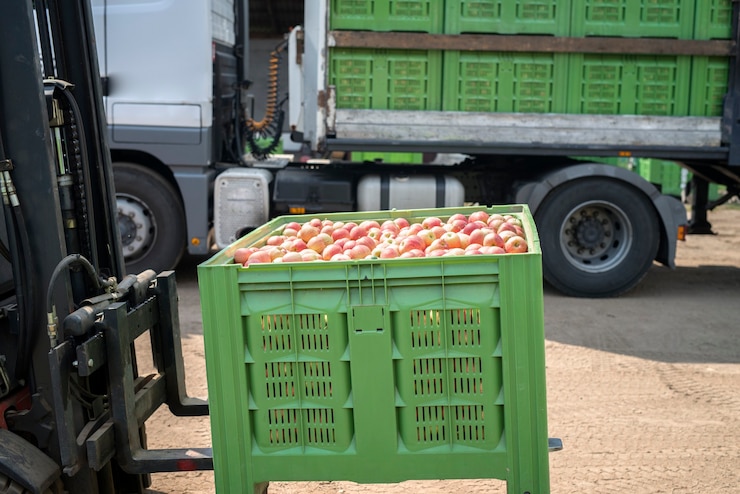
Agricultural diplomacy also contributes to economic growth and job creation. Expanding exports generates employment in rural areas, logistics, processing, and related services. Diversifying markets reduces vulnerability to climate, economic, and geopolitical shocks. For farmers, this translates to more stable income and increased resilience for their businesses.
The success of agricultural diplomacy depends on coordination between government and the agricultural community. By meeting export requirements, joining cooperatives, and preparing for opportunities, farmers can maximize benefits from trade initiatives. Mr Sekgala’s work ensures South Africa remains competitive in highly contested Middle Eastern markets and strengthens its position as a reliable global supplier.
Through proactive engagement, practical support, and long-term planning, South Africa’s agricultural diplomacy provides farmers with the tools, confidence, and access needed to succeed internationally. This strategy positions the country to grow exports, create jobs, and maintain a sustainable, resilient agricultural sector.
Join 'Farmers Mag' WhatsApp Channel
Get the latest Farming news and tips delivered straight to your WhatsApp
CLICK HERE TO JOIN