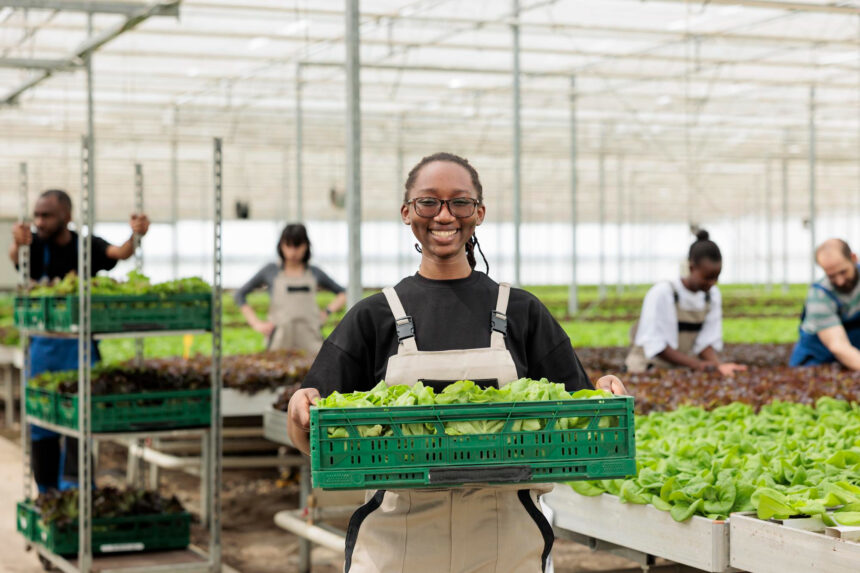
Youth involvement in agriculture is essential for food security, innovation, and economic growth. Many young people face barriers such as lack of land, capital, skills, and market access. Agricultural incubator programs provide structured support to overcome these challenges. They offer training, mentorship, funding access, and market linkages to help young farmers start and grow successful ventures. This article explores how incubators work, their benefits, and practical steps for youth to get involved.
What Are Agricultural Incubator Programs
Agricultural incubators are structured programs that support startups and young entrepreneurs in farming and agribusiness. They provide training on modern farming techniques, business management, marketing, and sustainability. Many incubators also offer mentorship, networking opportunities, and access to finance, inputs, or land. The goal is to accelerate growth and reduce risks associated with starting an agricultural enterprise.
Benefits of Joining an Incubator
Skill development: Youth gain practical knowledge in crop production, livestock management, digital agriculture, and agribusiness operations.
Mentorship and guidance: Experienced farmers and industry experts provide advice, troubleshoot challenges, and share insights on scaling businesses.
Access to finance and resources: Incubators often connect participants to grants, loans, input suppliers, and shared facilities like greenhouses or processing units.
Market access: Programs link young farmers to local and international markets, cooperatives, and retail networks.
Networking opportunities: Participants connect with peers, agribusinesses, and government agencies, creating potential collaborations and partnerships.
Examples of Youth Agricultural Incubators
In South Africa, initiatives like the Department of Agriculture’s Youth in Agriculture program, private agribusiness incubators, and university-led projects provide platforms for training and funding. These programs often focus on high-value crops, poultry, aquaculture, and innovative agri-tech solutions.
How to Get Involved
Research programs: Identify incubators in your region or sector. Check eligibility criteria, program focus, duration, and support offered.
Prepare a business idea: Incubators often require a clear agricultural business plan. Highlight your crop or livestock project, target market, and growth strategy.
Apply formally: Complete the application process, including documents, proposals, and interviews. Submit before deadlines.
Participate actively: Engage in workshops, mentorship sessions, and field activities. Use networking opportunities to build contacts and gain practical experience.
Leverage program resources: Access funding, shared facilities, and technical support. Document progress and learnings to improve your venture.
Post-incubation strategy: Plan for scaling after the program. This may include securing additional funding, expanding operations, or diversifying products.
Tips for Success
Focus on innovation and sustainability. Integrate modern techniques like hydroponics, precision farming, or climate-smart practices. Keep detailed records of production, finances, and market interactions. Seek feedback from mentors and peers regularly. Collaborate with other young farmers for joint marketing or resource sharing.
Agricultural incubator programs provide youth with the skills, resources, and networks needed to succeed in farming. They reduce barriers to entry, enhance business knowledge, and open doors to markets and funding. By actively participating in these programs, young people can turn agriculture into a profitable and sustainable career, driving innovation and growth in the sector.
Join 'Farmers Mag' WhatsApp Channel
Get the latest Farming news and tips delivered straight to your WhatsApp
CLICK HERE TO JOIN