

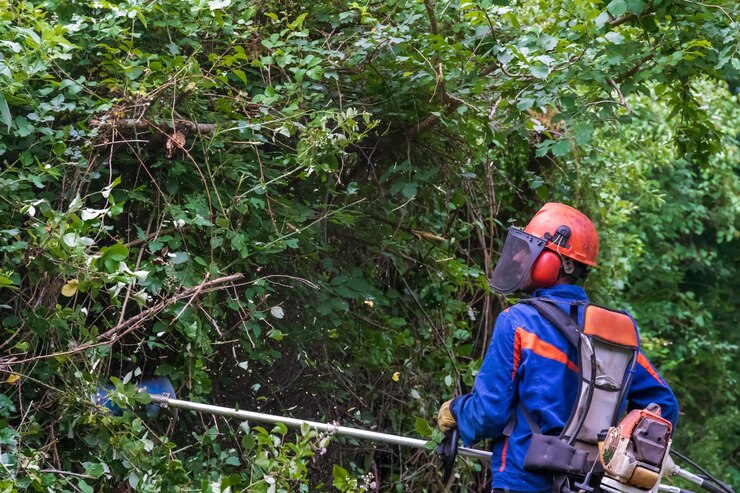
Alien invasive plants are non-native species that spread rapidly and disrupt ecosystems, causing significant damage to agriculture. In South Africa, species such as black wattle, Australian acacia, lantana, and water hyacinth threaten farmland, reduce crop yields, and increase management costs. Farmers and land managers face both direct and indirect economic impacts when invasive plants establish in productive areas.
These plants compete with crops and pasture for water, nutrients, and sunlight. In water-scarce regions, invasive trees and shrubs can reduce stream flow, affecting irrigation and livestock production. Dense infestations also create fire hazards and reduce grazing capacity, forcing farmers to invest in supplementary feed or alternative water sources. In extreme cases, invasive plants render land unsuitable for agriculture, leading to permanent loss of productive land.
Clearing and control programs are costly but necessary. Mechanical removal, chemical herbicides, and biological control agents are commonly used methods. Large-scale clearing programs can run into millions of rand annually, depending on the extent of infestation and terrain. Ongoing maintenance is essential because many invasive species regenerate quickly if not fully eradicated.
Government and private initiatives support clearing efforts. Programs often combine funding, expertise, and equipment for landowners. Incentives may include cost-sharing for herbicides or access to specialist teams for large infestations. Despite this support, the financial and labor burden remains high, particularly for smallholder farmers.
The environmental impact also carries economic consequences. Invasive plants disrupt natural biodiversity, affect pollinators, and reduce soil fertility. This can increase the need for fertilizers, pest control, and soil restoration measures. Healthy ecosystems are essential for long-term agricultural productivity, so controlling invasives is both an ecological and economic priority.
Prevention is the most cost-effective strategy. Monitoring farmland, early detection, and rapid response to new infestations reduce long-term costs. Educating farmers, local communities, and supply chains about the risks of transporting or planting alien species is crucial to minimizing spread.
Investing in clearing programs and management strategies provides a return by restoring productive land, protecting water resources, and preserving biodiversity. Integrated approaches that combine mechanical, chemical, and biological controls, along with ongoing monitoring, offer the most sustainable results.
Alien invasive plants pose a serious threat to South African agriculture. The costs include lost productivity, increased management expenses, environmental degradation, and long-term land damage. Effective clearing programs and proactive prevention measures are essential to safeguard agricultural land and ensure the sustainability of farming operations.
Join 'Farmers Mag' WhatsApp Channel
Get the latest Farming news and tips delivered straight to your WhatsApp
CLICK HERE TO JOIN




