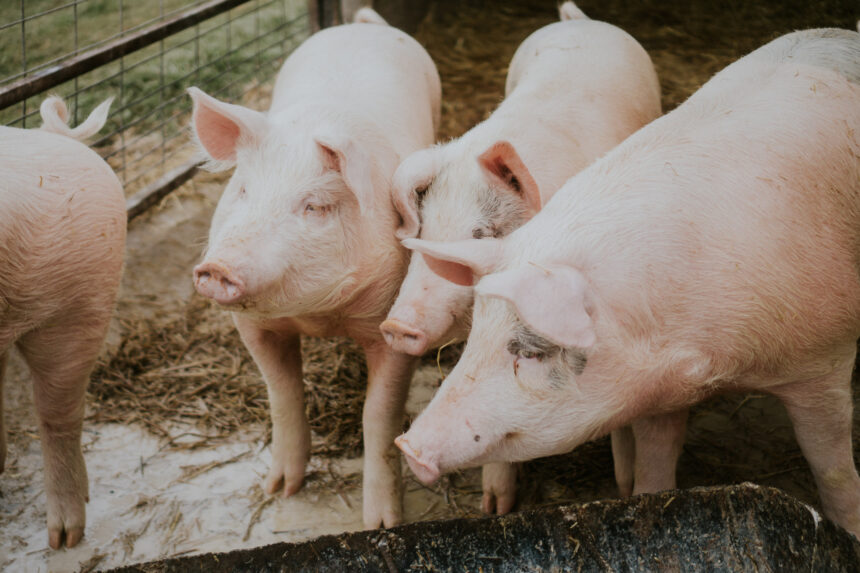
South Africa’s pork sector has been placed on heightened alert after a commercial piggery in the north-western Free State confirmed a case of foot-and-mouth disease (FMD). Additional highly suspicious cases are under investigation in KwaZulu-Natal. While the number of confirmed outbreaks remains limited, industry leaders warn that the infection pressure across livestock systems is exceptionally high. Producers are being urged to enforce strict biosecurity and maintain close coordination across the value chain to prevent further spread. FMD, although less devastating than African swine fever, can cause extreme losses in newborn pigs, with up to 80 percent of a week’s piglet crop potentially lost.
According to the South African Pork Producers’ Organisation (SAPPO), the Free State farm confirmed positive in late November includes an on-site abattoir. This facility has been granted interim FMD designation, allowing controlled processing of infected carcasses under strict risk mitigation measures, including regulated deboning and safe waste disposal. In KwaZulu-Natal’s Bergville and Winterton areas, three commercial sites identified in December 2025 are under precautionary quarantine while laboratory results are pending. Reports indicate higher mortality in suckling piglets and pigs aged 14 to 18 weeks compared with the Free State case. SAPPO is working with provincial veterinary services and the Red Meat Abattoir Association to secure designated abattoirs for controlled slaughter if needed.
FMD is a controlled, notifiable disease under the Animal Diseases Act, requiring producers to immediately report any suspicion to private and state veterinarians. Once notified, state veterinary authorities determine control measures, which may include quarantine, controlled slaughter at approved abattoirs, and regulated disposal of high-risk material such as heads, trotters, and offal. While South Africa experienced severe livestock FMD outbreaks nationally in 2022, commercial pig operations were minimally affected. A minor case involving roaming pigs in the Eastern Cape resulted in 121 animals being culled, although laboratory testing later confirmed no ongoing infection in commercial herds.
One of the key challenges for the pork industry is the absence of an approved FMD vaccine for pigs. Vaccines available locally are formulated for cattle and cannot be safely used in pigs due to severe necrosis at the injection site. SAPPO, in collaboration with industry partners and a ministerial task team, is investigating two oil-based vaccines used in pigs internationally. Authorities hope to import these vaccines within three months, after which limited trials can begin. Diagnostic laboratories are also under pressure, delaying strain identification and response planning.
Biosecurity measures are under renewed scrutiny. SAPPO’s Pork 360 programme and compartmentalisation system set high standards for hygiene and disease prevention. However, current infection pressure is exceptionally high, especially due to widespread FMD in cattle. Producers are urged to keep pigs separated from cattle, enforce strict hygiene protocols, control visitor and vehicle access, and report any unusual clinical signs immediately. Monitoring and training staff regularly are also critical to preventing disease entry.
Commercial producers are responding by intensifying biosecurity protocols. Charlie Fourie, owner of pig operations near Potchefstroom and Randfontein, highlighted that farms already enforce stringent measures, including on-farm canteens, protective clothing, strict bans on personal items, and shower facilities before entering production areas. Despite high biosecurity standards, the source of FMD infection remains unclear, creating anxiety across the sector. Producers continue to rely on private veterinarians and SAPPO for guidance, with government engagement largely coordinated through these industry channels.
While FMD is less severe than African swine fever, its impact on welfare and finances is significant. Short-term production disruptions can lead to high piglet mortality and financial pressure on farms, affecting the broader pork supply chain and export confidence. SAPPO stresses the importance of alignment across the value chain, ensuring designated abattoirs operate under strict biosecurity and environmentally approved waste disposal methods. Controlled processing, clear communication, and rapid response are key to containing the disease and protecting South Africa’s pig herd.
SAPPO emphasizes that controlling FMD is a shared responsibility between producers, veterinarians, and state authorities. Maintaining strict biosecurity, monitoring livestock closely, and following official protocols are essential to prevent further outbreaks. With coordinated efforts, the pork industry aims to minimise disease spread, safeguard animal welfare, and secure the future of South Africa’s commercial pig sector.
Join 'Farmers Mag' WhatsApp Channel
Get the latest Farming news and tips delivered straight to your WhatsApp
CLICK HERE TO JOIN