Choosing the right irrigation system is one of the biggest decisions you will make as a farmer in the Karoo. Water is scarce. Rainfall is unpredictable. You must stretch every drop. Drip and pivot irrigation are two popular options. Each has strengths and costs that affect your bottom line. This guide breaks down the costs and benefits so you can decide what works for your farm.
Why Irrigation Matters in the Karoo
The Karoo’s semi‑arid climate means crops rely on irrigation. Without reliable water delivery, yields fall and profits drop. Good irrigation boosts crop quality and production. But water costs, energy use and capital investment matter here. You need a system that maximises efficiency and suits your crop type and land size.
Understanding Drip Irrigation
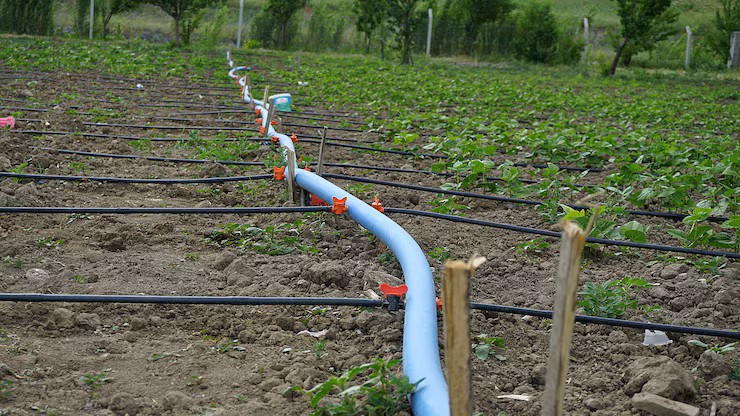
Drip irrigation delivers water directly to plant roots through a network of tubes and emitters. Water drips slowly into the soil. This reduces evaporation and limits runoff.
Drip System Costs
Installation costs vary. They depend on land size, crop type and emitter quality. On average, drip systems cost more per hectare to install than pivot systems in the Karoo because of materials and labour. You pay for pipes, filters, pressure regulators and emitters. If your soil is rocky or uneven, installation costs can rise.
Operating Costs for Drip
Drip irrigation is water‑efficient. You can lower water costs because less is lost to evaporation. Energy costs are usually lower too because pressure requirements are modest. Maintenance involves cleaning filters and checking emitters for blockages. Costs here are moderate but predictable.
Water Efficiency
Drip systems can achieve 85 percent water use efficiency or more. In the Karoo, where every litre counts, this is a big benefit. You use water where it matters most, reducing waste and lowering bills.
Understanding Pivot Irrigation
Pivot systems rotate around a central point, spraying water over large circular areas. They cover many hectares with minimal labour.
Pivot System Costs
Pivot irrigation systems require significant upfront investment. Towers, pipes, motors and nozzles add up. Installation on uneven terrain increases costs because extra groundwork and engineering may be needed.
Operating Costs for Pivot
Energy is a major cost for pivot systems in the Karoo. Water must be pressurised and pumped across long distances. Electricity or diesel costs can climb. Maintenance involves regular inspections of wheels, drives and sprinkler heads.
Water Use and Efficiency
Pivot systems typically achieve 70 percent to 80 percent water use efficiency. Wind and evaporation increase water loss compared to drip systems. In hot, dry conditions like the Karoo, irrigation losses are a real concern.
Comparing Capital Costs
Drip irrigation has higher per hectare setup costs initially. But you pay for precise water delivery. Pivot systems cost more overall for large areas because of heavier infrastructure. If you farm many hectares, pivot systems may spread capital costs over more land, reducing per hectare costs.
Comparing Operating Costs
Operating costs lean in favour of drip systems because they use less water and energy. Pivot systems have higher pumping costs and more mechanical parts to maintain. Over time, drip systems can save money on utilities.
Crop Type and Yield Considerations
Drip irrigation works well for high‑value row crops, vineyards, orchards and vegetables. It supports precise fertiliser application through fertigation. Pivot systems suit broadacre crops like maize, lucerne or grazing fields. Your choice must match your crop plan.
Water Availability and Rights
In the Karoo, water rights and supply can constrain choices. Drip irrigation reduces water demand, easing pressure on limited water allocations. Pivot systems may require more water than available during dry months unless you have secure supply and storage.
Return on Investment (ROI)
ROI depends on water costs, energy prices, and crop value. Drip systems often pay back faster when water and energy costs are high. Pivot systems can deliver good returns on large farms with crops that tolerate less precise application.
Case Example
A 50 hectare orchard in the Karoo shows clear differences. A drip system cost 15 percent more to install than a pivot system. But water use dropped by 30 percent and energy costs fell by 25 percent. The orchard saw higher fruit quality and lower input costs, recovering capital within five years. Similar pivot systems on dryland crops showed slower payback because of higher energy and maintenance costs.
Decision Framework for Karoo Farmers
To choose between drip and pivot irrigation:
Assess your crop types and market value.
Calculate water availability and cost per litre.
Estimate energy costs for pumping.
Consider land layout and soil type.
Run a simple payback analysis over 5 to 10 years.
There is no one‑size‑fits‑all answer. Drip irrigation offers water and energy savings, ideal for high‑value crops and limited water supplies. Pivot systems work well on larger fields and less water‑intensive crops, but come with higher operating costs. In the Karoo’s dry climate, water efficiency and energy use often tip the balance toward drip systems. Your farm’s specifics, water rights and crop plans will determine the best fit. Choosing the right irrigation system will strengthen your farm’s resilience and profitability. Think long term, and plan for water security, crop value and operating costs to get the best return.
Join 'Farmers Mag' WhatsApp Channel
Get the latest Farming news and tips delivered straight to your WhatsApp
CLICK HERE TO JOIN