

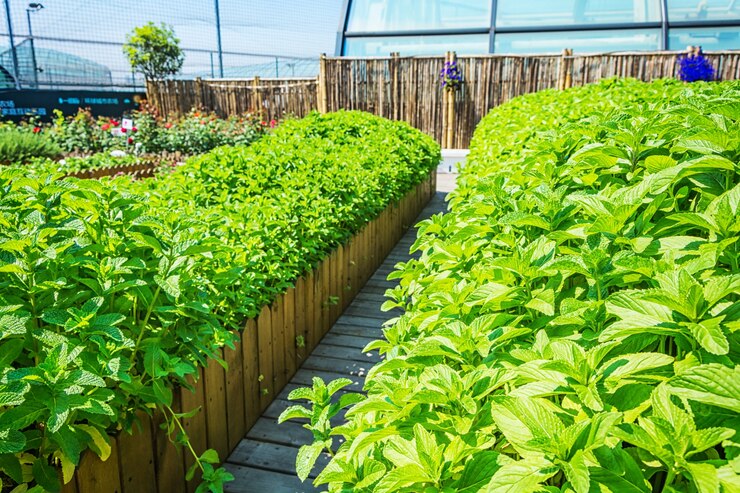
Medicinal herbs offer South African farmers a unique opportunity to diversify income, create high-value products, and tap into growing health-conscious markets. Herbs such as Rooibos, Buchu, African wormwood, peppermint, and moringa are widely cultivated and can be processed into teas, tinctures, capsules, powders, and other packaged products. Value addition not only increases profitability but also extends shelf life and expands market reach.
Selecting and Cultivating the Right Herbs
The first step in producing packaged medicinal herb products is selecting suitable species for cultivation. Factors to consider include:
- Market Demand: Research consumer preferences and trending herbs in South Africa and export markets. Rooibos and moringa are particularly popular.
- Climate and Soil: Choose herbs suited to local conditions. Rooibos thrives in semi-arid regions, while peppermint and basil prefer well-drained soils.
- Propagation and Yield: Use certified seeds or cuttings for consistent quality and predictable harvests.
Proper cultivation practices, including integrated pest management, soil fertility management, and irrigation planning, ensure high-quality, chemical-free herbs suitable for consumption.
Processing Herbs for Packaged Products
Medicinal herbs can be processed into several forms depending on the target market:
- Dried Herbs and Teas: Clean, sort, and dry leaves or flowers using solar dryers, oven dryers, or controlled air drying. Pack in airtight, labelled pouches for retail.
- Powders and Capsules: Grind dried herbs into fine powders for use in supplements. Capsules offer convenience and dosage control.
- Tinctures and Extracts: Soak herbs in alcohol or glycerine to extract active compounds. Bottle in dark containers to preserve potency.
- Infusions and Herbal Blends: Mix herbs for unique flavour or medicinal combinations, ideal for teas and wellness products.
Each processing step must prioritise hygiene, nutrient preservation, and consistent quality. Investment in basic drying, grinding, and packaging equipment is essential for small to medium-scale operations.
Ensuring Food Safety and Compliance
South African regulations for herbal products require strict adherence to food safety and labelling standards:
- Follow guidelines from the Department of Health and South African Health Products Regulatory Authority (SAHPRA) for supplements and herbal medicines.
- Maintain clean processing areas and implement quality control measures.
- Include clear labelling with ingredients, usage instructions, storage conditions, and expiry dates.
- Consider certifications like organic, GMP (Good Manufacturing Practice), or ISO standards to enhance consumer trust and access export markets.
Marketing and Distribution
Packaged medicinal herbs can be sold through supermarkets, health stores, pharmacies, online platforms, and export channels. Branding should highlight local origin, natural cultivation, and health benefits. Small farmers can collaborate through co-operatives to achieve economies of scale, share processing facilities, and strengthen market access.
Sustainability and Profitability
Medicinal herb farming offers strong profit potential with minimal environmental impact. Many herbs require less water, have low input costs, and can be intercropped with other crops. Value addition through processing ensures that farmers capture higher returns than selling raw leaves alone.
By producing high-quality, packaged medicinal herb products, South African farmers can diversify income streams, meet growing consumer demand, and contribute to the country’s wellness and natural product industries. Careful selection, cultivation, processing, and compliance are key to turning herbs into profitable, market-ready products.
Join 'Farmers Mag' WhatsApp Channel
Get the latest Farming news and tips delivered straight to your WhatsApp
CLICK HERE TO JOIN




