

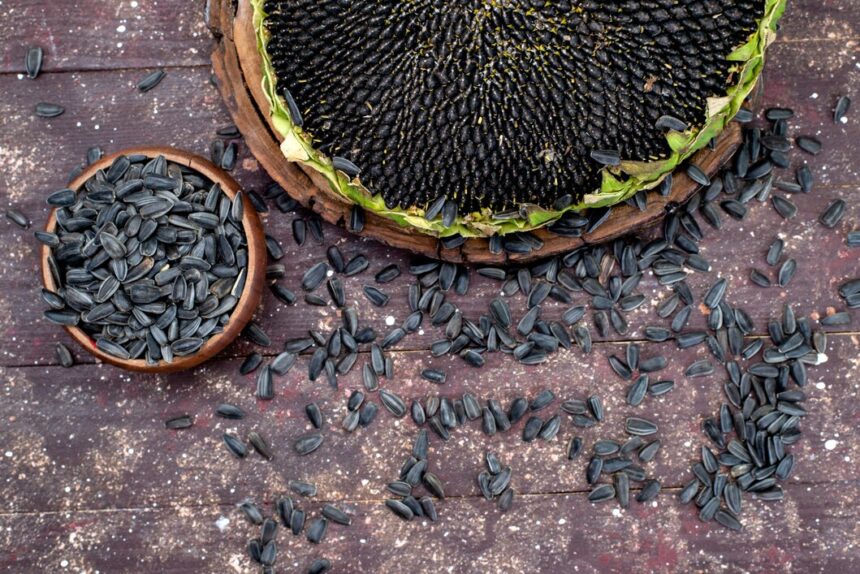
Sunflower production in South Africa is an important agricultural sector, providing both income and nutritional value. Beyond selling raw seeds, farmers can add value by processing sunflower seeds into oil and snacks. Value addition increases profitability, reduces post-harvest losses, and opens new market opportunities locally and internationally.
Choosing the Right Sunflower Varieties
Selecting the right sunflower variety is crucial for value addition. High-oil content varieties, such as PAN 7151 or PAN 7932, are ideal for oil production, while medium-oil varieties with large, uniform seeds are better for snack products. Healthy, fully matured seeds harvested at optimal moisture levels ensure quality and shelf life of the final products.
Producing Sunflower Oil
Sunflower oil is a high-demand product in South Africa, used in cooking, food processing, and the cosmetic industry. The process involves:
- Cleaning and Drying: Remove debris, dirt, and damaged seeds to ensure pure oil extraction. Seeds should be dried to below 10% moisture for storage and processing.
- Pressing or Expeller Extraction: Mechanical pressing extracts oil without chemicals. For larger-scale production, solvent extraction can be used to maximise yield.
- Filtering and Bottling: Raw oil is filtered to remove solid particles and impurities. Bottling in hygienic, airtight containers ensures longer shelf life.
Farmers can brand and package sunflower oil for retail, highlighting health benefits such as low saturated fat and high vitamin E content. Retail and online markets are receptive to locally produced, high-quality oils.
Turning Sunflower Seeds into Snacks
Sunflower seeds can also be roasted, salted, or flavoured for snack products. Key steps include:
- Cleaning and Sorting: Select large, intact seeds for roasting to improve appearance and texture.
- Roasting: Apply dry heat or oil roasting to enhance flavour. Temperature and time must be monitored to avoid bitterness.
- Seasoning and Packaging: Add salt, spices, or honey to create differentiated products. Packaging in resealable pouches or small retail packs maintains freshness and convenience.
Flavoured or gourmet sunflower snacks are increasingly popular among health-conscious consumers and the urban market. Proper labelling with nutritional information, origin, and storage instructions boosts market appeal.
Ensuring Food Safety and Compliance
Compliance with South African food safety standards is essential. Farmers must maintain:
- Clean processing areas and equipment.
- Proper storage to prevent moisture or pest contamination.
- Traceability from farm to final product.
- Labelling according to regulations, including ingredients, allergens, and expiry dates.
Obtaining HACCP or ISO certifications enhances credibility, particularly for retail or export markets.
Marketing and Distribution
Value-added sunflower products can be marketed through supermarkets, specialty food stores, farmers’ markets, and e-commerce platforms. Branding should emphasise farm origin, natural production, and health benefits. Partnerships with co-operatives or processing hubs help achieve scale, ensure consistent supply, and reduce costs.
Sustainability and Profitability
Adding value to sunflower seeds allows farmers to capture more revenue per kilogram, stabilising income and reducing reliance on raw seed sales. Surplus or smaller seeds can be used for snacks, minimising waste. Investments in processing equipment and packaging improve efficiency, while sustainable practices like crop rotation and organic fertilisation maintain soil health and productivity.
By producing sunflower oil and snacks, South African farmers can transform a simple crop into multiple revenue streams. With careful variety selection, proper processing, food safety compliance, and effective marketing, sunflower farming becomes a profitable, sustainable, and diversified agribusiness opportunity.
Join 'Farmers Mag' WhatsApp Channel
Get the latest Farming news and tips delivered straight to your WhatsApp
CLICK HERE TO JOIN




