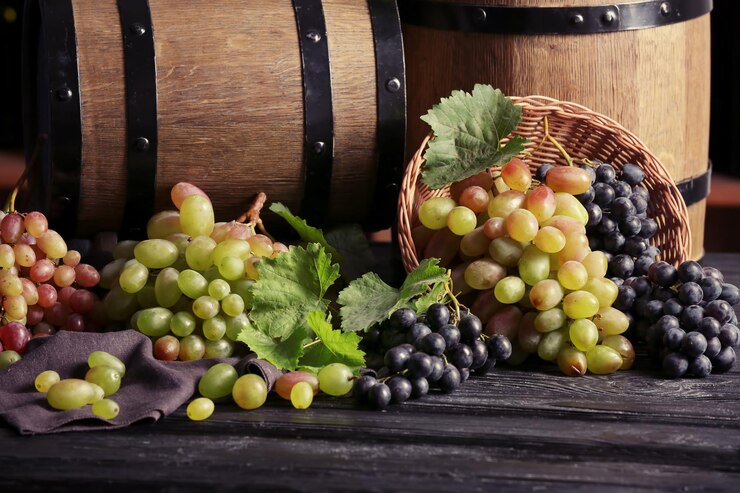
South Africa is internationally recognised for its wine industry, producing grapes that range from table varieties to premium cultivars suited for export. For farmers, the opportunity to move beyond selling raw grapes lies in value addition through wine production and premium bottled products. Doing so can increase profits, reduce market dependency, and position South African products in lucrative international markets.
Choosing the right grape varieties
Not all grapes are suited for premium bottled wine. Farmers should select cultivars based on climate, soil, market demand, and intended wine style. Popular export-focused varieties include Sauvignon Blanc, Chenin Blanc, Chardonnay, Cabernet Sauvignon, Shiraz, and Pinotage. Each has specific climate and soil requirements to produce fruit with the right sugar content, acidity, and flavour profile.
Consistency is crucial. Uniform grape size, ripeness, and sugar-acid balance ensure predictable fermentation and quality wine. Farmers can work with viticulturists to monitor vineyard management and harvest timing to maximise grape quality.
From vineyard to winery: Harvest and processing
The export-quality process begins in the vineyard. Grapes should be harvested at peak ripeness, typically in the early morning to preserve acidity and prevent oxidation. Proper sorting removes damaged or underripe berries, which can compromise wine quality.
Processing involves crushing, destemming, and fermentation. White grapes are usually pressed before fermentation, while red grapes ferment with skins to extract colour and tannins. Temperature control during fermentation is critical. Cooler temperatures preserve aroma in white wines, while controlled warmth enhances flavour extraction in reds.
For premium products, filtration, stabilization, and ageing play key roles. Oak barrels, stainless steel tanks, or a combination influence taste, aroma, and mouthfeel. Farmers aiming for export must adhere to strict quality standards, ensuring the final product is stable, clear, and free of contaminants.
Bottling and packaging for export
Bottling is the final step that directly affects market perception. Premium products require clean, sterile conditions, high-quality glass, and secure closures. Labels must comply with international regulations, showing grape variety, vintage, alcohol content, and country of origin.
Packaging also communicates brand value. Consistent branding, elegant design, and informative labels help products stand out on foreign shelves. Using eco-friendly or distinctive packaging can further differentiate South African wines in competitive markets.
Compliance and certification
Export markets demand strict compliance. Farmers and producers must ensure wines meet the standards of the target country, including chemical residues, sulphite levels, and labelling regulations. Certification from the South African Wine and Spirit Board, as well as adherence to ISO or HACCP standards, increases buyer confidence and market access.
Marketing and market entry
Building a presence in export markets requires strategic marketing. Participating in international trade shows, wine competitions, and tastings helps establish recognition. Partnerships with established distributors and wine agents reduce market entry barriers. Online marketing and storytelling about vineyard heritage, sustainability, and grape provenance add value and appeal to discerning consumers.
Managing costs and production
Producing premium bottled wine is capital intensive. Farmers should plan vineyard yields, processing costs, and bottling logistics carefully. Starting with small batches allows experimentation with blends, ageing methods, and branding. Scaling up can follow once market feedback validates product quality and pricing.
Sustainability and long-term planning
Sustainable vineyard management ensures consistent grape quality over years. Practices include soil health management, integrated pest control, water conservation, and responsible chemical use. Organic or biodynamic certifications can add market appeal and justify premium pricing.
Collaborative models, such as cooperatives or contract winemaking, can reduce upfront costs for small-scale farmers. By sharing wineries, storage, and marketing resources, farmers can access export markets without significant individual capital investment.
Turning South African wine grapes into premium bottled products for export requires careful variety selection, meticulous vineyard management, controlled processing, quality packaging, and compliance with international standards. Farmers who integrate these practices can access high-value markets, increase profitability, and establish South Africa as a competitive player in the global wine industry. With planning, investment, and commitment to quality, grape farming can transform from a raw commodity business into a premium export-driven venture.
Join 'Farmers Mag' WhatsApp Channel
Get the latest Farming news and tips delivered straight to your WhatsApp
CLICK HERE TO JOIN