

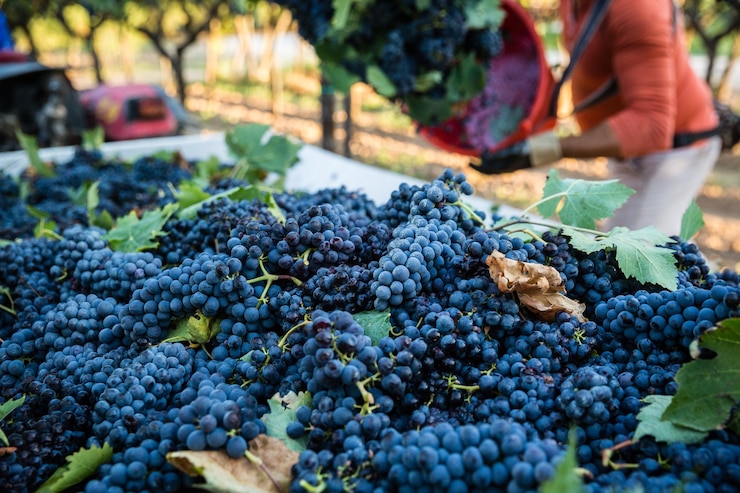
South African grape farmers have a unique opportunity to add value to their produce by converting grapes into concentrates for shelf-stable products. This process not only reduces post-harvest losses but also opens new markets for juice, jams, syrups, and other processed foods. By understanding the steps involved, farmers can increase income, diversify their operations, and supply products that have a longer shelf life than fresh grapes.
Selecting the Right Grapes
The first step in producing grape concentrates is choosing the right variety. Table grapes, wine grapes, and certain dual-purpose grapes can be used, but the sugar content, acidity, and flavour profile will influence the final product. Grapes should be fully ripe, free from rot or mould, and carefully handled to prevent bruising. Consistent quality at harvest ensures a high-quality concentrate that will appeal to buyers and processors.
Cleaning and Preparation
After harvesting, grapes must be thoroughly cleaned. This involves washing to remove dirt, dust, pesticides, and other residues. Damaged or rotten grapes should be removed, as they can affect the taste and safety of the concentrate. Some farmers choose to crush the grapes at this stage to facilitate juice extraction, using mechanical presses or small-scale crushing equipment suitable for farm use.
Juice Extraction
Juice can be extracted using a variety of methods depending on the scale of production. Mechanical pressing is common for both small and medium farms. The goal is to separate juice from skins, seeds, and stems while maintaining the natural sugars and flavour. Some farmers also use enzymatic treatments to increase juice yield and clarity, but these must comply with South African food safety standards.
Concentration Process
The extracted juice is then concentrated to increase shelf life and reduce storage and transport costs. Evaporation under controlled heat is the standard method. Modern systems use vacuum evaporators, which allow water to be removed at lower temperatures, preserving the grape’s natural flavour and nutrients. For smaller farms, solar evaporation or low-cost concentration methods may be viable, but these require careful monitoring to prevent burning or caramelisation.
Pasteurisation and Shelf Stability
To ensure the concentrate is safe and shelf-stable, pasteurisation is essential. Heating the concentrated juice to the recommended temperature for a specified time destroys harmful microorganisms without significantly altering flavour or colour. Once pasteurised, the concentrate can be packaged in sterile containers, including bottles, pouches, or drums, depending on the intended market.
Packaging and Storage
Proper packaging protects the concentrate from contamination and oxidation. Dark, airtight containers or food-grade plastics are recommended to maintain quality. Concentrates should be stored in cool, dry conditions away from direct sunlight. Shelf-stable grape concentrate can last several months to a year, offering farmers flexibility in sales and distribution.
Market Opportunities
Grape concentrates have diverse applications. They can be sold directly to food processors, beverage manufacturers, bakeries, or even used in small-scale artisanal products like jams, sauces, and syrups. By providing a consistent, high-quality concentrate, farmers can build relationships with buyers looking for reliable ingredients for shelf-stable products.
Value Addition and Profitability
Turning grapes into concentrates allows farmers to capture more value from their harvest. Instead of relying solely on fresh grape sales, which are highly perishable, concentrate production extends product life, reduces waste, and enables access to regional and international markets. With proper planning, equipment investment, and adherence to food safety regulations, small and medium-scale farmers can significantly increase revenue.
Training and Support
Farmers looking to start grape concentrate production should seek training on food processing techniques, quality control, and packaging standards. Government agricultural extension services, industry associations, and research institutions in South Africa offer guidance on best practices, processing equipment, and regulatory compliance.
By converting grapes into concentrates, South African farmers can reduce post-harvest losses, create new revenue streams, and supply shelf-stable products that meet consumer demand. With careful grape selection, proper processing techniques, and attention to safety and quality, concentrate production offers a sustainable path for farm-level value addition in the grape industry.
Join 'Farmers Mag' WhatsApp Channel
Get the latest Farming news and tips delivered straight to your WhatsApp
CLICK HERE TO JOIN




