

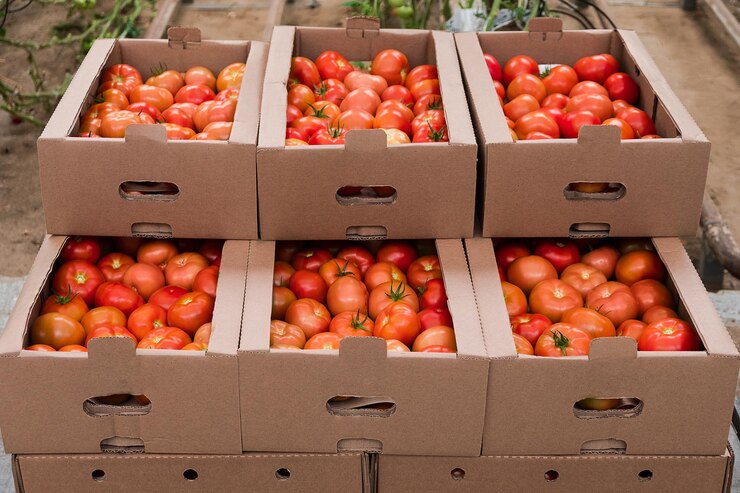
Packaging plays a crucial role in determining the retail success of fresh produce. In South Africa, farmers who invest in effective packaging can increase sales, reduce losses, and access higher-value markets. Proper packaging protects produce, extends shelf life, and enhances visual appeal, which directly influences consumer purchasing decisions.
Why Packaging Matters
Retail buyers and consumers judge produce quality by appearance. Attractive, secure packaging signals freshness, care, and professionalism. Packaging also differentiates products in competitive markets, supports branding, and allows farmers to command higher prices. In addition, well-designed packaging reduces damage during transport and storage, minimizing financial losses.
Selecting Appropriate Packaging Materials
Choose materials that suit the type of produce, transport method, and target market. Common options include cardboard cartons, plastic clamshells, mesh bags, or reusable crates. Ensure materials are food-safe, durable, and environmentally friendly, as sustainability is increasingly important for consumers and retailers. Ventilated packaging helps maintain freshness for fruits and vegetables that require airflow.
Sizing And Portioning
Retail buyers prefer standardized sizes and portions for easy shelving and consumer convenience. Use consistent carton weights or pack units such as 500 grams, 1 kilogram, or pre-portioned trays. Portioning ensures uniformity, enhances presentation, and makes pricing transparent for consumers.
Labelling And Branding
Labels should include the product name, farm origin, weight, storage instructions, and any certifications such as organic, Fairtrade, or GlobalGAP. Adding a logo, farm story, or QR code can strengthen brand recognition and connect consumers to the farm. High-quality labels reinforce the perception of premium produce and encourage repeat purchases.
Preserving Freshness And Shelf Life
Packaging should protect produce from physical damage, moisture loss, and contamination. Consider using liners, cushioning materials, or modified atmosphere packaging for delicate fruits and vegetables. Correct temperature management during storage and transport further preserves quality and allows produce to reach retailers in optimal condition.
Visual Appeal And Presentation
Consumers are drawn to bright, clean, and well-organized produce displays. Transparent or partially transparent packaging allows buyers to see the product inside. Arrange produce neatly and avoid overpacking or overcrowding cartons to maintain an appealing presentation. Eye-catching packaging can justify higher retail prices.
Market-Specific Packaging
Understand the requirements of different retail channels. Supermarkets may require standardized cartons with barcodes and traceability information, while farmers’ markets may allow more flexible, eco-friendly packaging. Tailor your packaging strategy to match the expectations and regulations of each target market.
Cost Considerations
Investing in better packaging increases costs but can be offset by higher retail prices, reduced losses, and improved customer satisfaction. Evaluate packaging options to find a balance between durability, presentation, and cost efficiency. Starting with small batches allows testing of materials and designs before scaling up.
Effective packaging is key to maximizing retail profit for South African farmers. By selecting appropriate materials, standardizing sizes, enhancing visual appeal, and incorporating labels and branding, farmers can protect produce, extend shelf life, and attract premium prices. Thoughtful packaging not only increases revenue but also builds trust with retailers and consumers, supporting sustainable growth in the fresh produce market.
Join 'Farmers Mag' WhatsApp Channel
Get the latest Farming news and tips delivered straight to your WhatsApp
CLICK HERE TO JOIN




