

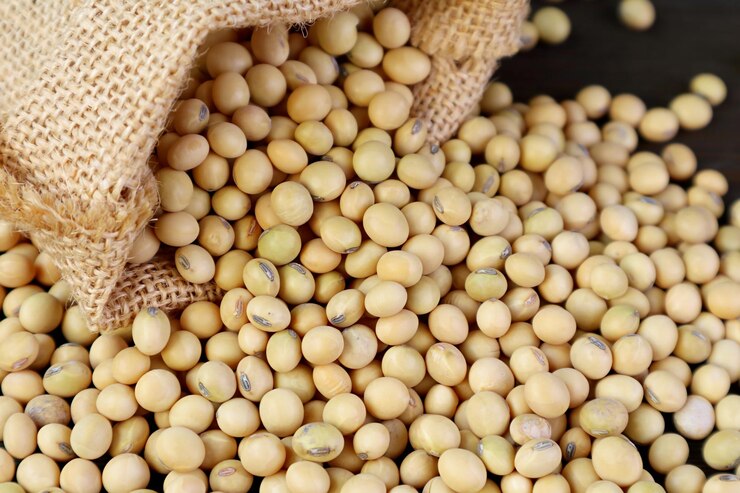
Soybeans give you steady income options. You can turn them into cooking oil, high protein flour, and simple snacks. Each product needs clear steps and practical equipment. This guide gives you processes, yields, and notes for South African farmers. Soybeans hold about 18 to 22 percent oil and close to 40 percent protein. These levels support oil extraction and flour production. The numbers help you plan volumes and margins.
Basic Preparation
Clean the beans and remove stones. Dry to about 10 to 12 percent moisture. Store in a cool dry place. Good preparation protects quality.
Making Soybean Oil
Crack or dehull the beans. Heat to about 70 to 90 C to help oil flow. Feed the beans into a screw press. Settle or centrifuge crude oil to remove solids. Refine the oil if you plan to sell retail.
Yields
One tonne of soybeans with about 20 percent oil can produce about 180 to 200 kilograms of crude oil. The remaining mass becomes cake or meal you can sell or mill into flour.
Equipment
Local suppliers sell presses from about 20 kg per hour upward. Check build quality and service support before buying.
Making Soy Flour
For defatted flour, extract the oil first. Mill the cake into a fine powder. Heat treat to improve taste and reduce anti-nutrients. Sieve and pack in moisture safe bags.
Product Notes
Defatted flour offers higher protein. Full fat flour suits some snacks. Choose based on your market.
Making Soy Snacks
Roasted soy nuts are easy. Soak the beans. Boil until tender. Dry and roast until crunchy. Add seasoning and pack. Soy sticks or crisps need a small extruder. Shape the mix, then dry, bake or fry. Roasted soy powder is another option. Roast beans and mill to a fine powder.
Processing Tips
Soak and cook to reduce strong flavors. Heat treatment supports shelf life. Small ovens and compact extruders help you start small.
Quality And Regulation
Check moisture, taste, and shelf life. Follow South African food rules for oil labeling and packaging. Keep basic production records.
Business And Market Notes
Start with small batches. Build demand in your area. Bakeries and shops want consistent quality. Sell leftover meal to feed buyers if needed.
Key Cost Items
Equipment, energy, packaging, transport, and testing shape your cost per kilogram. Review these before setting prices.
Checklist For Beginners
Test oil content and moisture.
Choose your main process.
Find buyers early.
Follow food rules.
Run pilot batches to refine your method.
Soybeans give you several income streams. Oil brings steady demand. Flour and snacks add value. Start with simple tools. Improve quality as you grow. This approach helps you convert soybeans into reliable profit.
Join 'Farmers Mag' WhatsApp Channel
Get the latest Farming news and tips delivered straight to your WhatsApp
CLICK HERE TO JOIN




