

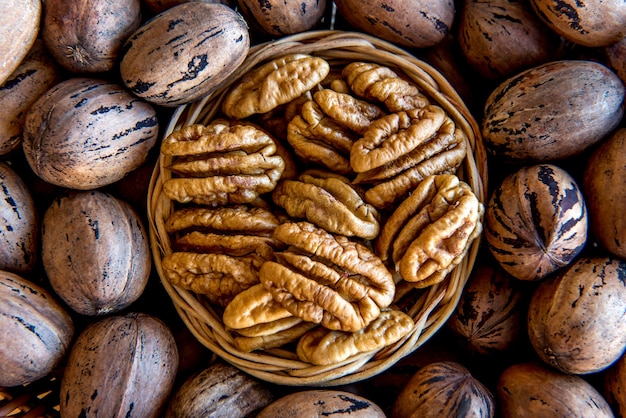
Pecans are a high-value nut crop with growing demand in South Africa. Beyond selling raw nuts, farmers can increase revenue by producing roasted and packaged snacks. This process requires basic equipment, quality control, and attention to packaging. Farmers who master these steps can access local markets, supermarkets, and specialty stores. Pecans are rich in healthy fats, protein, and antioxidants. They store well when dried and can be transformed into snacks with minimal processing. Their nutritional profile appeals to health-conscious consumers, making them ideal for value-added products. Understanding the market potential helps farmers plan production and sales.
Basic Preparation
After harvesting, pecans must be cleaned and dried. Remove husks and debris, then dry the nuts to 4 to 5 percent moisture. Proper drying prevents mold and extends shelf life. Store pecans in cool, dry conditions until ready for roasting.
Roasting Pecans
Roasting enhances flavor and creates a crunchy texture. Farmers can roast nuts in small batch ovens or industrial roasters depending on scale. Temperature control is critical; 160 to 180 degrees Celsius for 15 to 20 minutes is common for small batches. Avoid over-roasting, which can cause bitterness. Roasting can be done with or without oil. Salt, sugar, or spices can be added to create different snack varieties.
Packaging Pecans
Once roasted and cooled, pecans should be packaged immediately to preserve freshness. Use airtight, moisture-resistant packaging. Clear pouches or resealable bags allow consumers to see the product. Labeling should include ingredients, weight, storage instructions, and best-before dates. Packaging also helps position the product for retail or direct-to-consumer sales.
Market Opportunities
Roasted pecans can be sold through local markets, health food stores, supermarkets, and online platforms. Bulk packs are suitable for retailers, while smaller snack packs attract individual buyers. Farmers can also explore gift packs or specialty flavors to increase margins.
Quality Control
Maintain high standards to ensure product safety and consistency. Check nuts for mold, insect damage, and uniform roasting. Record roasting times and storage conditions. Adhering to hygiene practices during processing reduces contamination risks and builds consumer trust.
Business Considerations
Initial investment includes roasting equipment, packaging materials, and labeling supplies. Operational costs include electricity, labor, and storage. Farmers should calculate production costs per kilogram and set competitive prices while maintaining profitability. Starting small allows testing of recipes and market response before scaling up.
Turning pecans into roasted and packaged snacks allows farmers to add value and increase income. With proper preparation, roasting, packaging, and marketing, pecan producers in South Africa can access diverse markets and create sustainable businesses. By focusing on quality and presentation, farmers can transform raw pecans into high-demand, ready-to-eat products that attract repeat buyers and expand their agricultural enterprise.
Join 'Farmers Mag' WhatsApp Channel
Get the latest Farming news and tips delivered straight to your WhatsApp
CLICK HERE TO JOIN




