

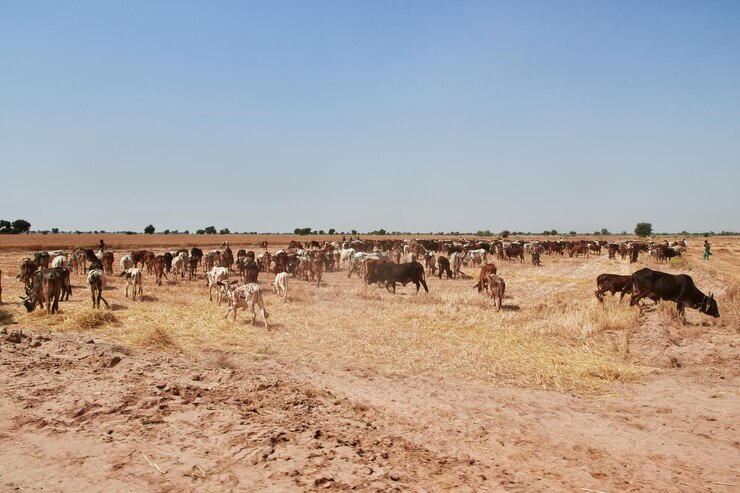
Droughts are a recurring challenge for South African farmers, causing crop failures, reduced livestock productivity, and rising operational costs. Managing the financial stress that comes with prolonged dry conditions is critical to sustaining farming operations and protecting livelihoods.
The first step is assessing your current financial position. Farmers should review cash flow, outstanding debts, and upcoming expenses. Identifying non-essential costs and postponing discretionary spending can help free up resources to cover critical needs such as feed, irrigation, or labor.
Diversifying income streams can reduce financial pressure. Consider small-scale livestock sales, value-added products like jams or preserves, or renting out farm equipment. Exploring contract farming arrangements or partnerships with other producers can also provide temporary income stability.
Accessing government support and relief programs is essential. South African farmers can apply for drought relief funds, agricultural subsidies, or low-interest loans through the Department of Agriculture, Land Reform and Rural Development. Staying informed about local municipal initiatives and industry-specific grants can also provide critical support during prolonged dry periods.
Managing operational costs is another key strategy. Adjust feeding schedules for livestock, prioritize irrigation for high-value crops, and reduce energy use where possible. Investing in water-saving technologies such as drip irrigation or rainwater harvesting can improve resilience while lowering long-term costs.
Farmers should also maintain accurate records of losses, expenses, and asset valuations. Detailed documentation is critical when applying for relief funding, insurance claims, or negotiating with lenders. It can also help inform future drought preparedness plans.
Mental health and stress management are often overlooked but essential components of financial resilience. Farming during drought can be isolating and stressful. Seeking support from agricultural networks, local cooperatives, or counseling services can help maintain focus and decision-making capacity.
Planning for recovery is as important as managing immediate financial pressures. Once rainfall resumes, farmers should reinvest carefully, prioritize soil and water restoration, and consider drought-resistant crops or livestock breeds to reduce vulnerability in future seasons.
By assessing finances, diversifying income, accessing support, reducing costs, keeping accurate records, and maintaining mental resilience, farmers can better manage the financial stress of drought. These strategies not only help survive dry periods but also build long-term sustainability and resilience for South African farming operations.
Join 'Farmers Mag' WhatsApp Channel
Get the latest Farming news and tips delivered straight to your WhatsApp
CLICK HERE TO JOIN




