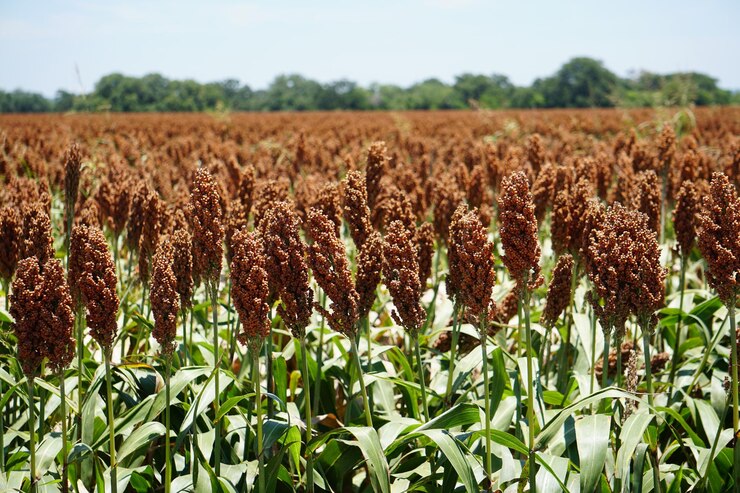
Indigenous crops in South Africa offer significant opportunities for smallholder and commercial farmers. They are well-adapted to local climates, require fewer inputs, and are increasingly in demand for health foods, traditional remedies, and artisanal products. Crops such as Bambara nuts, marula, morogo, and marama beans can provide profitable alternatives to conventional staples while supporting food security.
Bambara Nut (Vigna subterranea)
Bambara nuts are drought-tolerant legumes ideal for smallholder farmers. They improve soil fertility through nitrogen fixation and can be grown in low-input systems. The seeds are high in protein and can be consumed roasted, boiled, or ground into flour.
Profit opportunities:
- Processing into snacks or flours for baking.
- Supplying health food markets and specialty stores.
- Export potential to countries seeking gluten-free and protein-rich ingredients.
Marula (Sclerocarya birrea)
Marula trees produce nutrient-rich fruits used in beverages, jams, and oils. The kernel oil is highly valued in the cosmetics and skincare industry, while the fruit can be sold fresh or processed into marula liqueur.
Profit opportunities:
- Selling fresh fruits at local markets.
- Producing jams, juices, and traditional beverages.
- Extracting marula oil for cosmetic and wellness markets, both locally and internationally.
Morogo (African Leafy Vegetables)
Morogo includes a variety of indigenous leafy vegetables, such as amaranth, black jack, and spider plant. They are resilient, fast-growing, and highly nutritious.
Profit opportunities:
- Selling fresh leaves to local markets, restaurants, and retailers.
- Packaging dried morogo for longer shelf life and retail sales.
- Supplying urban health-conscious consumers seeking nutrient-dense greens.
Marama Bean (Tylosema esculentum)
Marama beans are hardy legumes native to arid regions. The seeds are high in protein and oil, suitable for roasting or grinding into flour. The plant is drought-resistant and ideal for low-rainfall areas.
Profit opportunities:
- Producing roasted snacks and protein powders.
- Supplying niche health food and vegan markets.
- Using the oil in food products or cosmetics.
Additional Indigenous Crops to Consider
- Baobab (Adansonia digitata): Fruit pulp is rich in vitamin C and antioxidants, used in beverages, powders, and supplements.
- Kalahari Melon (Citrullus lanatus var. citroides): Seeds produce oil for cooking or cosmetics.
- Sorghum and Millets: Drought-tolerant grains suitable for flour, brewing, and porridge.
Practical Tips for Cultivating Indigenous Crops
- Select appropriate crops for your region: Consider rainfall, soil type, and climate resilience.
- Use sustainable practices: Indigenous crops require fewer inputs, but organic fertilisers and crop rotation can improve yields.
- Focus on quality and post-harvest handling: Proper drying, storage, and packaging increase market value.
- Connect to markets: Explore local markets, health food stores, restaurants, and export opportunities. Cooperatives and value chain initiatives can strengthen access.
- Diversify production: Growing multiple indigenous crops reduces risk and creates multiple income streams.
Benefits of Indigenous Crop Farming
- Increased resilience to climate change and extreme weather.
- Reduced reliance on synthetic inputs, lowering costs.
- Improved food security through nutrient-dense crops.
- Access to niche markets demanding healthy, natural, and locally sourced foods.
Indigenous crops such as Bambara nuts, marula, morogo, and marama beans offer profitable opportunities for South African farmers. With proper cultivation, processing, and market linkages, these crops can generate income, strengthen local food systems, and contribute to rural economic development. By embracing indigenous agriculture, farmers can diversify production, reduce risks, and meet growing consumer demand for nutritious, sustainable, and culturally significant foods.
Farmers who invest in quality, sustainable practices, and strategic market connections can turn indigenous crops into thriving agribusinesses while supporting food security and environmental sustainability.
Join 'Farmers Mag' WhatsApp Channel
Get the latest Farming news and tips delivered straight to your WhatsApp
CLICK HERE TO JOIN