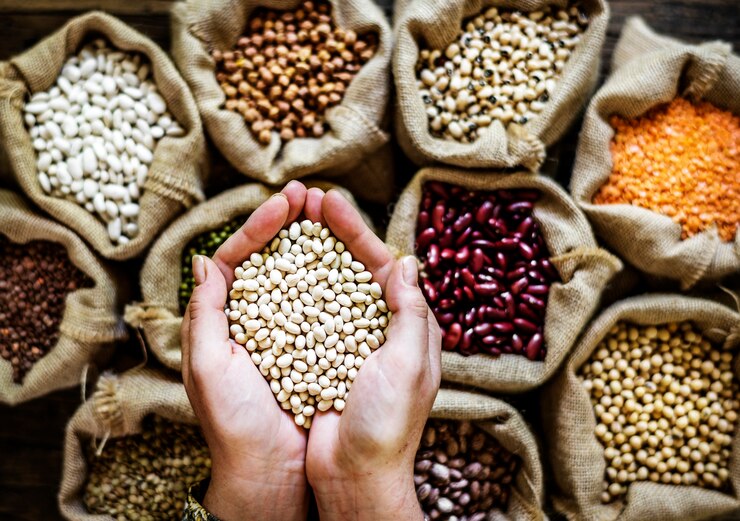
Saving seeds from your top-performing plants is an effective way to reduce costs, maintain desirable traits, and build a sustainable garden or farm. Seed saving preserves plant genetics, ensures continuity of preferred varieties, and strengthens resilience against pests, diseases, and climate variability. Here is a practical guide for South African farmers and gardeners on saving seeds for the next season.
Choosing the Right Plants
Start by selecting healthy, vigorous plants that show desirable traits such as:
- High yield and productivity
- Disease resistance
- Flavor, texture, or color preferred for consumption or sale
- Adaptability to your local climate and soil
Only mature, fully developed plants should be considered for seed saving. Avoid plants that are weak, diseased, or underperforming, as their seeds may carry undesirable traits.
Harvesting Seeds
The method of harvesting depends on the type of plant:
- Vegetables like tomatoes, peppers, and cucumbers: Harvest fully ripe fruits. Remove seeds, rinse to remove pulp, and dry on paper towels.
- Leafy greens like spinach, lettuce, and kale: Allow plants to bolt and produce seed heads. Collect seeds when pods or flowers turn brown and dry.
- Legumes like beans and peas: Leave pods on the plant until fully dry. Shell seeds and store in a dry, ventilated area.
- Grains and cereals: Wait until seeds are fully mature and dry on the stalk before harvesting.
Proper timing is critical to ensure viability and germination success in the next season.
Cleaning and Drying Seeds
Clean seeds thoroughly to remove pulp, chaff, and debris. Spread seeds in a single layer on a paper towel, tray, or mesh screen in a cool, dry area away from direct sunlight. Drying reduces the risk of mold and ensures longer storage life. Some seeds, like tomatoes, benefit from a short fermentation process to remove the gelatinous coating before drying.
Storing Seeds
Storage conditions impact seed longevity. Tips include:
- Use airtight containers such as glass jars, envelopes, or vacuum-sealed bags.
- Label containers with plant variety, harvest date, and any relevant notes.
- Store seeds in a cool, dark, and dry location, ideally below 15°C if possible.
- Consider using silica gel packets to absorb moisture.
Most vegetable seeds remain viable for 1–5 years, while some legumes and grains can last longer if properly stored.
Maintaining Genetic Integrity
To preserve the traits of your plants:
- Isolate varieties to prevent cross-pollination, especially for open-pollinated crops like corn, squash, or peppers.
- Save seeds from multiple plants to maintain genetic diversity and reduce inbreeding.
- Rotate seed-saving practices annually to avoid degeneration of plant vigor.
Using Saved Seeds
Before planting, perform a germination test by sprouting a small sample of seeds. This ensures viability and helps determine planting density for the upcoming season. Starting with strong, locally adapted seeds often results in healthier plants and higher yields.
Benefits of Saving Your Own Seeds
- Reduces input costs by eliminating the need to buy new seeds annually.
- Preserves local plant varieties adapted to your climate and soil.
- Increases food security by creating a continuous seed supply.
- Promotes sustainable farming and garden practices.
Saving seeds from your best plants is a practical, cost-effective way to improve yields and maintain preferred traits season after season. By selecting healthy plants, harvesting seeds at the right time, drying and storing them properly, and maintaining genetic integrity, farmers and gardeners can ensure a resilient, productive garden or farm.
With consistent practice, seed saving not only strengthens food security but also empowers farmers to cultivate varieties suited to their local environment while reducing dependence on commercial seed suppliers.
Join 'Farmers Mag' WhatsApp Channel
Get the latest Farming news and tips delivered straight to your WhatsApp
CLICK HERE TO JOIN