Rooibos tea has become a globally recognized South African export and a growing domestic beverage market. For entrepreneurs and farmers, establishing a rooibos tea farm in the Cederberg offers a chance to tap into a lucrative industry while supporting sustainable agriculture. Success requires careful planning, suitable land, and knowledge of cultivation, harvesting, and marketing.
Understanding Rooibos Tea
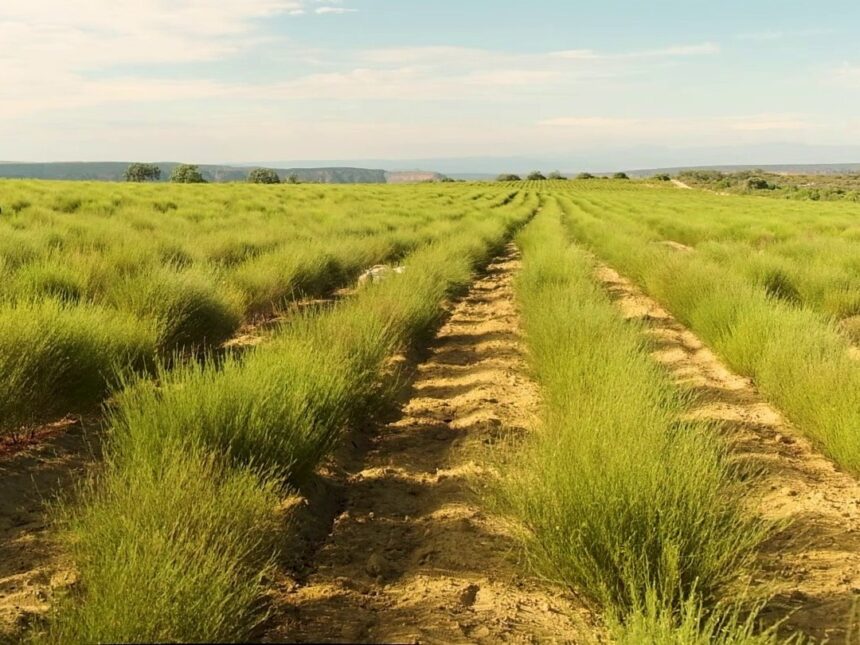
Rooibos (Aspalathus linearis) is a leguminous shrub indigenous to the Cederberg region of the Western Cape. It grows naturally in the sandy, acidic soils and Mediterranean climate of the area. Rooibos is naturally caffeine-free and rich in antioxidants, which has increased demand both locally and internationally. Its unique growing conditions make the Cederberg the ideal location for commercial production.
Choosing the Right Land
Selecting suitable land is critical. Rooibos thrives in:
- Well-drained, sandy, acidic soils with pH between 4.5 and 6.0.
- Slopes for natural drainage, preventing root rot.
- Areas with winter rainfall between 250–400 mm annually.
- Frost-free zones; young plants are sensitive to frost damage.
Land preparation involves clearing invasive species, removing weeds, and ensuring good soil structure. Testing soil for pH and nutrient content before planting helps determine if amendments are required.
Obtaining Quality Seedlings or Seeds
Rooibos can be propagated from seeds or seedlings. Most commercial farms prefer seedlings because they establish faster and produce higher yields. Steps include:
- Sourcing certified seedlings from reputable nurseries.
- Soaking seeds in warm water to break dormancy if planting directly.
- Using raised beds or nursery trays to nurture seedlings before transplanting.
Healthy seedlings are crucial for long-term productivity and disease resistance.
Planting and Farm Layout
Rooibos is typically planted during the winter rainfall season to take advantage of natural water. Consider:
- Spacing plants 1 meter apart in rows to allow airflow and reduce disease.
- Aligning rows along contours on slopes to prevent soil erosion.
- Installing irrigation systems in areas with inconsistent rainfall, though rooibos is drought-tolerant once established.
A well-planned farm layout improves accessibility for harvesting and maintenance.
Crop Management
Rooibos requires low-maintenance farming but benefits from regular monitoring:
- Weed control: Manual removal or selective herbicides prevent competition.
- Pruning: Annual pruning encourages bushy growth and higher yields.
- Pest and disease management: Monitor for insects like the rooibos gall wasp and fungal infections. Organic or integrated pest management strategies work best.
- Soil fertility: Use organic compost or nitrogen-fixing cover crops to maintain soil health.
Harvesting and Processing
Rooibos is harvested once plants reach 18–24 months of age. Key steps:
- Cutting mature branches close to the ground using specialized tools.
- Fermenting leaves to develop the characteristic red color and flavor.
- Drying and packaging for local or international markets.
Processing can be done on-site if facilities are available or sold to local processors. Farmers may choose to sell raw leaves or fully processed tea depending on market strategy.
Marketing and Sales
Rooibos farming profitability depends on effective marketing:
- Local markets: Farmers’ markets, tea shops, and retail stores offer direct sales.
- Export: Rooibos is popular in Europe, the US, and Asia; compliance with international quality standards is essential.
- Value-added products: Flavored teas, herbal blends, or ready-to-drink rooibos beverages increase income potential.
- Branding emphasizing organic, sustainably farmed, or Cederberg-origin rooibos can attract premium pricing.
Financial Considerations
Starting a rooibos farm requires capital investment for land preparation, seedlings, irrigation, labor, and equipment. Costs can be offset by:
- Government grants for small-scale farmers in the Western Cape.
- Agricultural development programs supporting rooibos cultivation.
- Cooperative models for shared processing or marketing.
Returns generally take 2–3 years as plants mature, but long-term profits are attractive due to growing demand and relatively low input costs once established.
Sustainability Practices
Rooibos farming can support environmental sustainability:
- Maintain indigenous vegetation buffers to protect soil and biodiversity.
- Employ water-saving techniques and avoid over-irrigation.
- Use organic fertilizers and integrated pest management to reduce chemical inputs.
- Promote fair labor practices to ensure social sustainability.
Starting a rooibos tea farm in the Cederberg requires careful planning, investment in quality seedlings, and understanding the unique growing conditions of the region. With proper farm management, sustainable practices, and strategic marketing, farmers can establish a profitable business that taps into both local and international demand. Rooibos offers not only financial rewards but also the opportunity to contribute to the preservation and recognition of a unique South African crop.
Join 'Farmers Mag' WhatsApp Channel
Get the latest Farming news and tips delivered straight to your WhatsApp
CLICK HERE TO JOIN