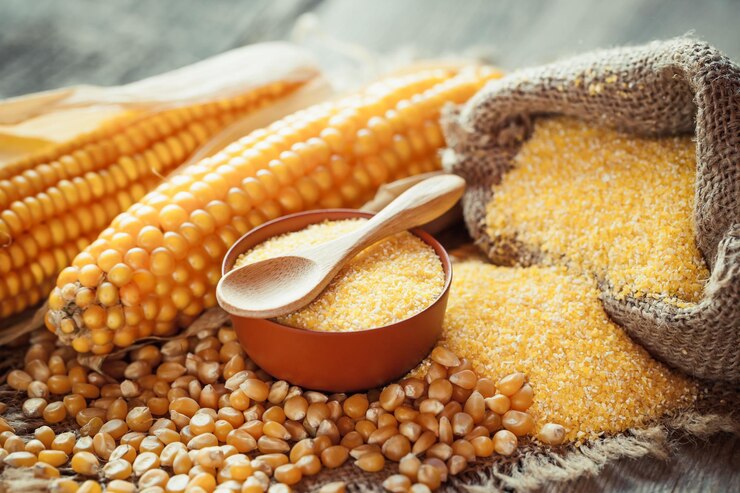
Maize is one of South Africa’s most important crops, providing a staple for millions while supporting rural livelihoods. Many farmers, however, earn limited income by selling raw maize alone. Processing maize into meal and snack products allows farmers to increase revenue, create jobs, and tap into a growing food market.
The domestic demand for maize-based products is strong. Urban consumers seek convenience foods like ready-to-eat snacks and breakfast cereals, while rural markets rely on staples such as maize meal, pap, and samp. This dual demand presents opportunities for small and medium-scale farmers to diversify into value-added products.
Farmers can explore several product categories. Milling maize into meal is the most direct form of value addition. Different grades of maize meal, from coarse to fine, cater to diverse consumer preferences. Snack foods, including puffed corn, corn chips, and roasted kernels, can be flavoured and packaged for retail, school, and local markets. Breakfast cereals such as maize flakes, porridge, and muesli appeal to health-conscious consumers. Specialty products like gluten-free maize flour and organic maize meal are increasingly popular.
Starting small-scale processing requires basic equipment. Milling setups typically include a hammer mill, dehuller, and sifter. Producing snacks or cereals may require an extruder and dryer. Cooperatives and partnerships with local processing hubs allow farmers to share machinery, reduce costs, and scale production.
Branding and packaging are essential for profitability. Packaging should protect freshness, meet health standards, and appeal to consumers. Farmers can sell products in local markets, farm stalls, supermarkets, or online. Marketing products as locally produced, sustainable, and high-quality can attract loyal customers.
Support and training are available through agencies such as the Department of Agriculture, Land Reform and Rural Development, AgriSETA, and the Small Enterprise Development Agency. These organisations provide skills development, funding opportunities, and technical advice for agro-processing ventures. Universities and agricultural colleges can also assist with product development and quality testing.
Value addition significantly increases profitability. One ton of raw maize may earn around R4,000 when sold wholesale, but processed maize meal or snack products from the same ton can generate up to three times that amount, depending on scale and market access. By-products such as bran and husks can be sold as livestock feed, providing additional income streams.
Turning maize into meal and snack products allows farmers to move up the value chain. It creates opportunities for job creation, strengthens local economies, and enhances food security. With the right training, investment, and marketing strategies, South African farmers can transform maize production into a profitable and sustainable business.
The future of maize farming lies not just in growing the crop but in processing it into products that generate income, support communities, and meet the evolving needs of the South African market.
Join 'Farmers Mag' WhatsApp Channel
Get the latest Farming news and tips delivered straight to your WhatsApp
CLICK HERE TO JOIN