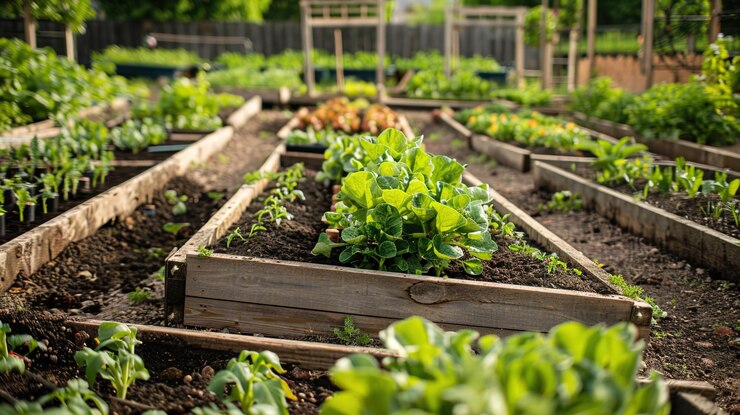
Building a raised garden bed from recycled materials combines practicality with sustainability. It allows you to grow your own vegetables, herbs, or flowers while cutting costs and reducing waste. Instead of buying new lumber or prefabricated kits, you can repurpose items like wooden pallets, old bricks, or corrugated metal to create a productive and stylish garden feature. This approach also gives your garden a unique look that reflects creativity and environmental awareness. Raised beds improve drainage, reduce weed growth, and make gardening easier by elevating the soil level. They also warm up faster in spring, which helps plants grow earlier in the season. Using recycled materials makes the project accessible to anyone, regardless of budget or experience.
1. Choose the Right Location
Select a sunny area that receives at least six hours of direct light each day. Avoid spots near trees or large shrubs, as their roots will compete for nutrients. Ensure the ground is level and drains well after rain.
2. Gather Recycled Materials
Recycled materials form the foundation of your project. You can use:
- Wooden pallets, leftover planks, or old furniture panels
- Bricks, concrete blocks, or stones from demolition sites
- Corrugated metal sheets or roofing panels
- Discarded barrels, crates, or bathtubs
Inspect all items before use. Avoid chemically treated wood or materials that may leach toxins into the soil. Clean and dry everything thoroughly to prevent mold or rot.
3. Measure and Plan the Size
The ideal width for a raised bed is about 1.2 meters, allowing easy access from both sides. The length can vary depending on your space, but 2.4 meters is manageable for most home gardens. A height of 30 to 60 centimeters is suitable for most vegetables. Sketch your plan and calculate how many pieces of material you need before cutting or stacking anything.
4. Prepare the Ground
Clear the area of grass, roots, and debris. Level it with a shovel or rake. If drainage is poor, spread a layer of gravel or coarse sand before setting up the bed. Laying a sheet of wire mesh can protect your plants from burrowing pests.
5. Build the Frame
Assemble your frame according to the materials you’ve chosen. Screw wooden boards together at the corners, stack bricks or stones tightly, or attach metal sheets to short corner posts for support. Use a level to check that all sides are even. A sturdy frame prevents soil from spilling and extends the bed’s lifespan.
6. Add a Liner (Optional)
Lining the bottom with cardboard, old fabric, or landscaping cloth helps suppress weeds and prevents soil loss. The liner will decompose naturally over time, improving the soil’s structure and health.
7. Fill with Soil
Fill the bed with a nutrient-rich mixture of topsoil, compost, and organic matter. Combine 60% topsoil with 30% compost and 10% sand or perlite for good drainage. Lightly water and compact the mix as you fill to prevent settling later.
8. Plant Your Crops
Choose crops suited to your climate and the depth of your raised bed. Leafy greens, herbs, and strawberries thrive in shallower soil. Root vegetables like carrots or potatoes require deeper beds. Arrange plants with similar sunlight and water needs together for easier care.
9. Maintain the Bed
Water consistently, especially in hot weather. Add mulch to retain moisture and suppress weeds. Each year, top up the bed with fresh compost or manure to maintain fertility. Check for loose boards or sagging areas and repair them promptly.
10. Benefits of Using Recycled Materials
- Reduces waste and promotes sustainable living
- Saves money compared to new materials
- Encourages creativity and reuse
- Adds rustic charm and individuality to your garden
Creating a raised garden bed from recycled materials is a simple and rewarding project that supports both your garden and the environment. By reusing materials you already have, you lower your carbon footprint and reduce waste while producing healthy, homegrown food. The raised design makes gardening more accessible, improves soil conditions, and helps plants thrive through better drainage and aeration. Whether you use old wood, bricks, or metal sheets, every piece tells a story and contributes to a more sustainable lifestyle. With a bit of planning and care, your recycled raised bed will not only enhance your outdoor space but also serve as a lasting reminder of how resourcefulness and eco-consciousness can work together in everyday living.
Join 'Farmers Mag' WhatsApp Channel
Get the latest Farming news and tips delivered straight to your WhatsApp
CLICK HERE TO JOIN