Sheep farming is a cornerstone of South Africa’s agricultural sector, contributing significantly to meat, wool, and dairy production. With the country’s wide range of climates, from semi-arid regions to lush pastures, choosing the right sheep breed is essential for success. Different breeds thrive under different conditions, making adaptability the key factor for smallholder and commercial farmers alike.
South Africa is home to several indigenous and imported breeds that perform well in the country’s varied environments. Below are some of the best sheep breeds suited to South Africa’s diverse climates.
Dorper Sheep
The Dorper is one of South Africa’s most famous sheep breeds, developed in the 1930s to thrive in arid and semi-arid regions. It is a hardy meat breed that requires little maintenance, making it ideal for resource-scarce areas. Dorpers grow quickly, adapt to different grazing conditions, and have high-quality carcasses. Their ability to survive drought-prone environments makes them one of the most popular breeds for commercial meat production.
Merino Sheep
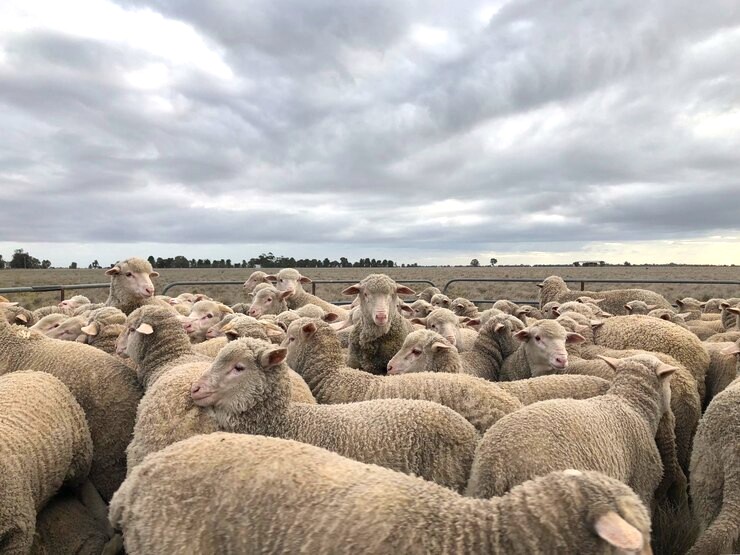
The Merino is world-renowned for its fine wool. In South Africa, Merinos adapt well to cooler, temperate climates and highland regions. Their wool is in demand both locally and internationally, providing strong market value. While they require more management than hardier breeds, Merinos are excellent for farmers looking to maximize returns from wool production.
Damara Sheep
Originating from Namibia, Damara sheep are highly drought-resistant and suited to the dry, rocky regions of South Africa. They are fat-tailed sheep, storing energy reserves in their tails, which helps them survive long dry spells. Damaras are low-maintenance, resist disease, and provide both meat and hides, making them a practical option for harsh conditions.
Dohne Merino
The Dohne Merino is a South African-developed dual-purpose breed that produces both wool and meat. It performs well in high-rainfall areas but is adaptable to a wide range of conditions. The breed combines the fine-wool qualities of the Merino with better growth rates for meat production, offering balanced returns for farmers.
Nguni Sheep
Nguni sheep are indigenous to southern Africa and highly resilient. They thrive in hot, dry conditions and require minimal input from farmers. Known for their disease resistance and ability to graze on poor-quality pastures, Nguni sheep are ideal for smallholder farmers operating in marginal lands.
South African Mutton Merino (SAMM)
The SAMM is a dual-purpose breed developed for both high-quality meat and wool. It adapts well to moderate rainfall areas and offers fast growth rates and good carcass yields. The breed is a strong performer in structured farming systems where farmers can provide balanced feed and proper management.
Van Rooy Sheep
Van Rooy sheep are fat-tailed, hardy animals bred in South Africa specifically for meat production. They excel in arid and semi-desert climates, showing strong resistance to harsh weather and limited grazing conditions. Their adaptability and low-maintenance traits make them ideal for extensive farming systems.
Pedi Sheep
Pedi sheep, another indigenous breed, are small-framed but extremely resilient. They thrive under harsh, drought-prone environments and are well-adapted to traditional farming systems. Pedi sheep are valued for their ability to reproduce under difficult conditions and provide meat for household consumption.
Sheep farming in South Africa demands careful consideration of breed selection based on climate, available resources, and market goals. Dorper, Damara, and Van Rooy sheep excel in dry and semi-arid zones, while Merino, Dohne Merino, and SAMM perform best in more temperate and high-rainfall areas. Indigenous breeds like Nguni and Pedi remain invaluable for small-scale farmers operating in marginal lands.
By choosing the right breed for their region, farmers can maximize productivity, improve resilience to climate variability, and secure long-term profitability in South Africa’s diverse agricultural landscape.
Would you like me to also prepare an SEO-friendly list of keywords and a meta description for this article?
Join 'Farmers Mag' WhatsApp Channel
Get the latest Farming news and tips delivered straight to your WhatsApp
CLICK HERE TO JOIN