Potatoes are a staple crop in South Africa, essential for both local consumption and commercial markets. Despite their importance, many farmers struggle to achieve optimal yields. Poor practices can drastically reduce production, sometimes by as much as 50 percent. Understanding common mistakes and how to avoid them is crucial for improving productivity, ensuring quality, and maximizing profits.
Using Poor-Quality Seed Tubers
Seed quality directly impacts potato yields. Using diseased or low-quality seed tubers leads to weak plants and poor growth. Farmers should select certified, disease-free seeds with good size and uniformity. Planting old or damaged tubers increases susceptibility to pests and diseases, reducing overall yield.
Improper Planting Time
Timing affects potato growth and tuber formation. Planting too early exposes seedlings to frost or cold soil, while late planting shortens the growing period and limits tuber development. Soil temperature, rainfall patterns, and local climate must guide planting schedules to ensure maximum yield potential.
Poor Soil Preparation
Potatoes require loose, well-drained soil. Compacted or poorly drained soils hinder root and tuber growth, leading to small, misshapen potatoes. Failing to test soil for fertility and pH results in nutrient deficiencies. Farmers should incorporate organic matter, plough properly, and test soil to correct nutrient imbalances before planting.
Inadequate Fertilization
Insufficient or imbalanced fertilization reduces tuber size and overall yield. Nitrogen promotes foliage growth, while phosphorus and potassium are critical for tuber formation and quality. Over-application can burn plants, while under-application limits growth. Regular soil testing and proper fertilization schedules ensure healthy, productive crops.
Incorrect Irrigation Practices
Potatoes need consistent soil moisture. Overwatering causes waterlogging, which reduces oxygen to roots and encourages rot. Underwatering stresses plants and limits tuber size. Drip irrigation or scheduled watering based on soil moisture levels improves efficiency and prevents yield loss.
Ignoring Pest and Disease Control
Potatoes are vulnerable to pests like aphids, potato tuber moths, and nematodes, as well as diseases such as late blight and bacterial wilt. Failure to monitor and control infestations can destroy entire crops. Integrated pest management, including crop rotation, resistant varieties, and targeted treatments, minimizes damage and maintains high yields.
Poor Hilling and Crop Management
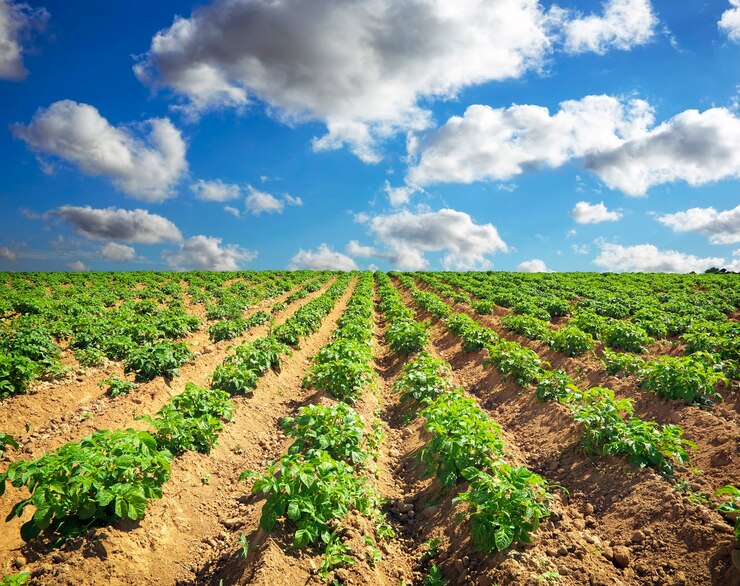
Hilling, or piling soil around the base of the plant, is essential for tuber development and protection. Neglecting hilling exposes tubers to sunlight, causing greening and bitterness. Inadequate weed control also competes for nutrients and water, further reducing yields. Regular field maintenance ensures healthy, productive plants.
Harvesting Mistakes
Harvest timing affects both yield and quality. Harvesting too early produces small tubers, while late harvesting increases rot and pest damage. Careless handling during harvest can bruise tubers, leading to post-harvest losses. Proper timing and gentle handling preserve both quantity and quality.
Maximizing potato yields in South Africa requires careful attention to every stage of production. Using high-quality seed tubers, planting at the right time, preparing soil properly, managing nutrients, controlling pests, and maintaining good crop practices all contribute to healthy, high-yielding crops. Avoiding these common mistakes ensures that farmers can achieve full yield potential, improve profitability, and supply quality potatoes to meet market demand.
Join 'Farmers Mag' WhatsApp Channel
Get the latest Farming news and tips delivered straight to your WhatsApp
CLICK HERE TO JOIN