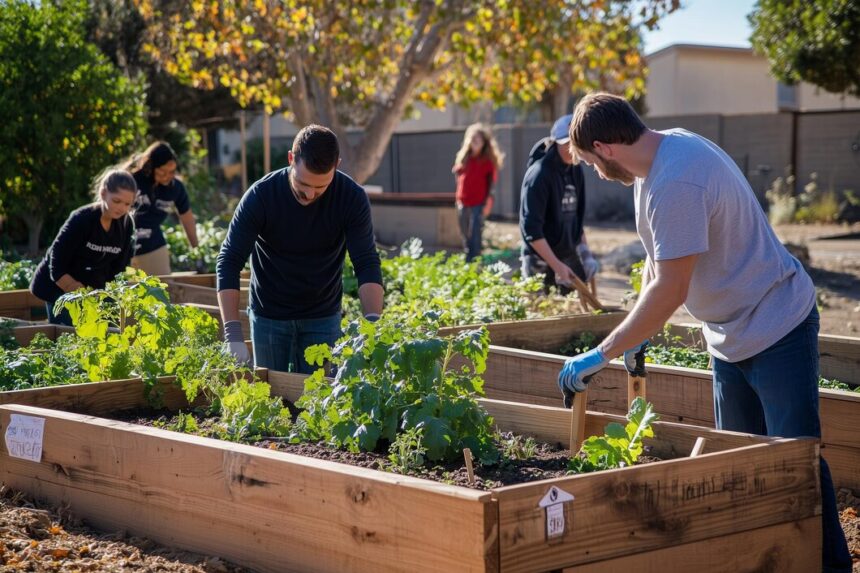
Across both urban and rural settings, community gardens led by women entrepreneurs are driving meaningful change—transforming underutilized spaces into vibrant centers of food production, empowerment, and sustainable enterprise. These gardens go far beyond growing vegetables; they are launching pads for economic independence, health advocacy, and community resilience.
Women entrepreneurs are at the forefront of this green movement, using their leadership to tackle food insecurity while promoting entrepreneurship. In areas where fresh produce is scarce or expensive, these gardens serve as a lifeline, offering communities access to affordable, healthy food. But the benefits don’t stop at the garden gate.
Many of these women have turned their gardens into thriving micro-businesses. From selling fresh fruits and vegetables to producing value-added goods like herbal teas, preserves, and natural skincare products, they are creating income opportunities while meeting local demand. Some operate community-supported agriculture (CSA) programs, host farmer’s markets, or supply local restaurants and co-ops, keeping profits within the community.
These gardens also serve as training grounds for women and youth, offering hands-on education in organic farming, composting, financial literacy, and agro-entrepreneurship. Through mentorship and peer support, women develop critical skills to expand their ventures and mentor others, creating ripple effects of empowerment.
In many parts of the world, such as sub-Saharan Africa, Southeast Asia, and parts of North America, successful examples abound. Women are reclaiming unused urban land, rooftops, and schoolyards, cultivating not only crops but also social capital. In doing so, they are addressing critical issues such as malnutrition, unemployment, and environmental degradation.
Community gardens led by women also play a crucial role in climate adaptation. Many are integrating sustainable practices like permaculture, rainwater harvesting, and seed saving to ensure long-term resilience. These eco-conscious strategies not only protect ecosystems but also prepare communities for the unpredictable impacts of climate change.
Despite challenges such as limited access to land, funding, and agricultural tools, these women continue to lead with innovation and determination. Support from local governments, NGOs, and private-sector partners has helped scale their efforts, but increased investment in gender-inclusive agricultural initiatives is still needed.
As interest in local food systems and sustainable living grows, community gardens led by women entrepreneurs stand out as a model for inclusive, ground-up development. They show that with the right support and leadership, small plots can yield not just food—but dignity, opportunity, and hope for the future.
Join 'Farmers Mag' WhatsApp Channel
Get the latest Farming news and tips delivered straight to your WhatsApp
CLICK HERE TO JOIN