

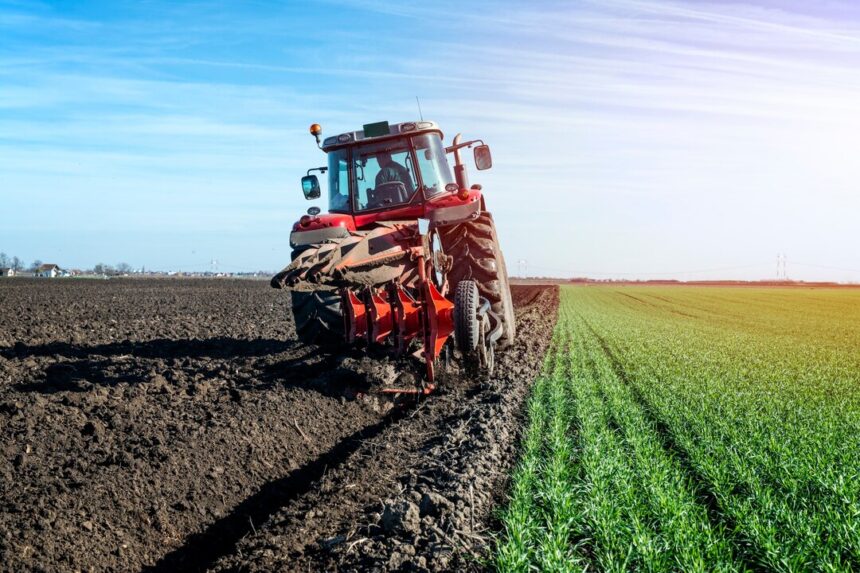
As global challenges like climate change, population growth, and geopolitical instability continue to threaten agricultural systems, food security has emerged as a top priority for governments and farming communities alike. In recent months, new government strategies and farmer-led initiatives have begun reshaping the conversation around food security — not just as a national issue, but as a shared responsibility between policymakers and those working the land.
Government Action Plans to Strengthen Food Security
Many governments across Africa, Asia, and Latin America are rolling out multi-pronged food security strategies aimed at boosting local production, reducing import dependency, and building climate-resilient agricultural systems. Key pillars of these plans include:
1. Investment in Irrigation and Infrastructure
To minimize crop losses due to erratic rainfall, governments are expanding irrigation schemes, rehabilitating water dams, and supporting drip irrigation systems. Improved rural road networks are also being prioritized to ensure farmers can transport goods efficiently to markets.
2. Subsidies and Input Support
Subsidized fertilizers, seeds, and mechanization tools are being distributed to smallholder farmers to enhance productivity. In some regions, e-voucher systems and mobile platforms are being used to ensure transparency and reach.
3. Grain Reserves and Strategic Stockpiling
National grain reserves are being replenished to cushion against future shocks such as droughts, floods, or supply chain disruptions. This ensures governments can stabilize food prices and provide emergency relief during crises.
4. Climate-Smart Agriculture
Governments are integrating climate adaptation into agricultural policy by promoting drought-resistant crop varieties, conservation farming, and agroforestry. These methods improve soil health and productivity while reducing vulnerability to climate stress.
5. Agricultural Extension and Digital Tools
Extension officers are being trained and deployed to educate farmers on best practices. At the same time, digital platforms are increasingly used to deliver weather forecasts, pest alerts, and market prices directly to farmers’ phones.
Farmer Preparedness: Rising to the Challenge
While government initiatives lay the groundwork, farmer preparedness remains the most critical link in the food security chain. Across rural communities, farmers are adopting new strategies to improve resilience and productivity in the face of uncertainty.
1. Diversifying Crops and Livelihoods
Farmers are moving away from monoculture systems and embracing crop diversification — growing legumes, vegetables, and fruit trees alongside staple grains. This approach not only improves nutrition but also cushions against single-crop failure.
2. Embracing Modern Techniques
Precision agriculture tools, including mobile-based soil testing kits, pest control drones, and smart irrigation systems, are helping farmers make data-driven decisions. Access to such technology is expanding through cooperatives and youth-led agri-innovation hubs.
3. Water Harvesting and Conservation
In areas prone to drought, farmers are constructing water pans, using mulching, and practicing zero tillage to conserve moisture. Such methods are proving vital in maintaining crop yields during dry spells.
4. Strengthening Local Cooperatives
Farmer groups are pooling resources to access credit, share equipment, and sell produce collectively at better prices. This cooperative model increases bargaining power and reduces input costs, improving both preparedness and profitability.
5. Post-Harvest Management
To reduce losses, especially among perishable crops, farmers are investing in solar dryers, cold storage, and better packaging. These efforts improve shelf life and enable farmers to access wider markets.
Food security is no longer just about growing enough food — it’s about creating systems that are sustainable, inclusive, and adaptive to a changing world. Governments must continue investing in rural development, while farmers must be empowered with knowledge, tools, and access to markets.
Collaboration between policymakers, agricultural researchers, private sector players, and local communities will be key to building resilient food systems. With smart planning and farmer-driven innovation, the goal of achieving national food security is not just possible — it is within reach.
Join 'Farmers Mag' WhatsApp Channel
Get the latest Farming news and tips delivered straight to your WhatsApp
CLICK HERE TO JOIN




