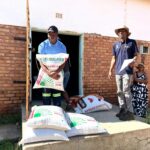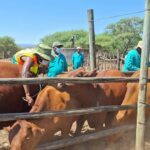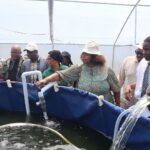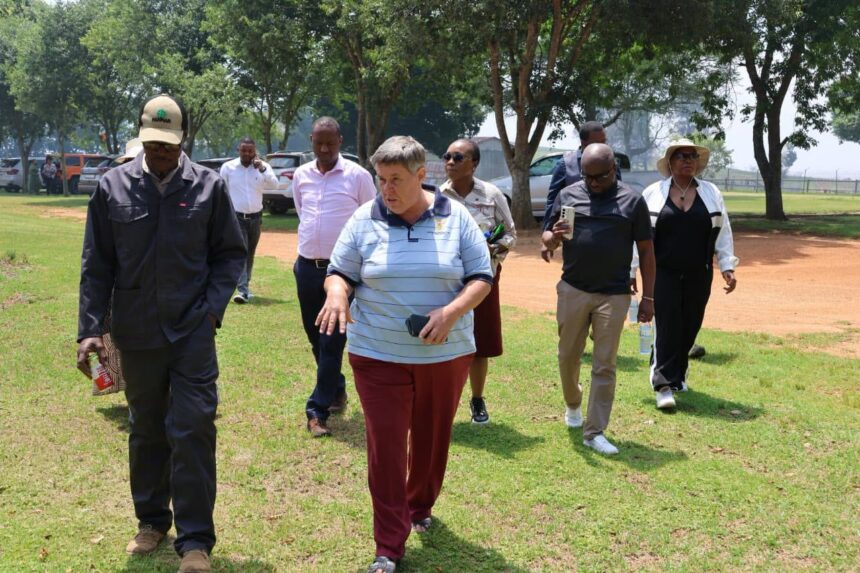
Digital technology is playing an increasingly important role in strengthening agricultural security, improving farm management and supporting the development of smart agriculture in South Africa. As farming operations become more dependent on modern systems and digital infrastructure, the need for reliable information management, effective monitoring and improved cybersecurity continues to grow. Members of the National Coordinating Committee on Information Management (NATCCIM) recently took their discussions beyond the boardroom during a three-day engagement in Mpumalanga, visiting agricultural facilities to observe how digital technologies are being used in practice. Their programme included a visit to Athole Research Farm near Amsterdam, where they received a first-hand account of the latest digital security systems installed at the facility. The delegation also toured the Soil Testing Laboratory at Nooitgedacht, gaining insight into the use of advanced digital security cameras and technology in agricultural research environments.
The visit to Athole Research Farm provided an opportunity for NATCCIM members to see how digital systems can support the protection and management of agricultural assets. The facility has introduced several security technologies designed to improve monitoring and strengthen operational oversight. These include remote monitoring of the Mpumalanga International FoodMarket, physical tracking tags attached to livestock and sensor gates used to enhance security management. Such systems demonstrate how technology can help agricultural institutions monitor important facilities, track valuable assets and improve their ability to respond to security concerns. The practical demonstration also highlighted the value of integrating digital solutions into everyday agricultural operations.
Remote monitoring is becoming an important tool for managing agricultural facilities and improving security oversight. It allows authorised personnel to monitor selected locations without needing to be physically present at every site. In the case of the Mpumalanga International FoodMarket, remote monitoring provides an additional layer of oversight for managing security at the facility. Digital monitoring systems can help personnel observe activities, identify potential security concerns and respond more efficiently when intervention is required. Their effectiveness, however, depends on reliable connectivity, properly maintained equipment and clear procedures for managing and accessing monitoring information.
The livestock tracking tags demonstrated at Athole Research Farm also highlighted the practical benefits of digital technology in livestock management. Physical tracking tags can help farmers and agricultural personnel identify individual animals and maintain more accurate livestock records. Depending on the technology used, tracking systems can support the collection and management of information relating to animal identification, movement and ownership. Reliable livestock identification is important for farm administration, traceability and the management of agricultural assets. These technologies can also complement broader animal health and biosecurity programmes by helping farmers maintain better records of their livestock.
Sensor gates formed another important part of the security systems showcased during the visit. These systems can help monitor access points and improve awareness of movement into and out of controlled agricultural areas. In farming environments, managing access is important for protecting livestock, equipment, infrastructure and other valuable resources. Digital sensors can provide information about activity at designated entry points and support more organised security procedures. When combined with remote monitoring and other security measures, sensor gates can contribute to a more coordinated approach to agricultural facility management.
The NATCCIM delegation also visited the state-of-the-art Soil Testing Laboratory at Nooitgedacht, where members observed the facility’s advanced digital security camera systems. Soil testing laboratories play an important role in agricultural development because they provide information that helps farmers understand soil conditions and make informed production decisions. Soil analysis can assist with determining nutrient levels, soil properties and other factors that influence crop production. This information supports better fertiliser management, soil improvement and sustainable farming practices. Protecting laboratory infrastructure and maintaining secure research environments are therefore important for ensuring that agricultural services continue operating effectively.
The use of digital security cameras at the Nooitgedacht laboratory demonstrates the importance of protecting specialised agricultural facilities. Laboratories often contain valuable equipment, technical resources and information that support research and agricultural services. Effective security management helps protect these assets and supports the continuity of laboratory operations. Digital surveillance systems can strengthen monitoring by providing authorised personnel with greater visibility of selected areas. Their use also highlights the need for appropriate data protection, access controls and responsible management of recorded information.
Beyond the field visits, the three-day NATCCIM engagement provided an opportunity for members to discuss important information and communications technology (ICT) priorities affecting the department. Discussions focused on infrastructure improvements, data management challenges and the transition towards smart agriculture systems. These issues are closely connected because modern agricultural services depend on reliable digital infrastructure and the effective management of information. Government agricultural institutions need systems that allow them to collect, store, process and share information efficiently. Improving these capabilities can support better planning, service delivery and decision-making across the agricultural sector.
Infrastructure development remains an important requirement for the successful adoption of digital agriculture. Agricultural institutions need reliable connectivity, suitable hardware, secure networks and appropriate software to support their operations. In rural areas, connectivity challenges can make it difficult to introduce and maintain advanced digital systems. Addressing these infrastructure gaps can help agricultural facilities improve communication, access information and use technology more effectively. Investment in reliable ICT infrastructure is therefore an important part of building a modern and responsive agricultural administration.
Data management was another key issue discussed during the NATCCIM engagements. Agricultural departments work with different types of information, including farmer records, livestock data, soil information, research findings and agricultural production statistics. Managing this information effectively is essential for ensuring accuracy, accessibility and consistency across departmental systems. Poor data management can create duplication, delays and difficulties when officials need reliable information to support decisions. Strong data governance, secure storage systems and appropriate information-sharing procedures can help improve the quality of departmental services.
The transition towards smart agriculture systems also featured prominently in the discussions. Smart agriculture involves using digital technologies and data to improve farming practices, resource management and agricultural decision-making. These technologies can include remote monitoring systems, sensors, digital livestock identification, automated equipment and data-based agricultural management tools. Their application can help farmers monitor production conditions, identify potential problems and use resources more efficiently. However, successful adoption requires suitable infrastructure, technical support and access to the skills needed to operate these systems.
Digital transformation also creates new responsibilities relating to cybersecurity and information protection. As agricultural institutions adopt more connected systems, they must ensure that digital platforms and information remain secure from unauthorised access and other potential threats. Security measures should include appropriate access controls, regular system maintenance, data protection procedures and staff awareness. Institutions must also consider how information is collected, stored and shared across different platforms. Strong cybersecurity practices are essential for maintaining confidence in digital agricultural systems and protecting important departmental information.
Digital skills development and capacity building were also included in the NATCCIM discussions. Introducing modern technology is only one part of successful digital transformation because employees must understand how to use and manage the systems available to them. Training can help officials develop the technical knowledge required to maintain digital infrastructure, manage information and support technology-based agricultural services. Capacity building can also improve the department’s ability to respond to emerging ICT challenges and adapt to changing technological requirements. Developing these skills is important for ensuring that investments in digital systems deliver lasting operational benefits.
The combination of technical discussions and practical site visits gave NATCCIM members an opportunity to connect departmental ICT priorities with real applications in agricultural environments. The Athole Research Farm visit demonstrated how remote monitoring, livestock tracking tags and sensor gates can support security management. The Nooitgedacht Soil Testing Laboratory provided another example of how digital security systems can help protect specialised agricultural infrastructure. These experiences offered practical context for discussions about infrastructure, information management and smart agriculture. They also highlighted the importance of considering the needs of individual agricultural facilities when planning technology investments.
The three-day engagement reflects the growing importance of information management and digital innovation in South Africa’s agricultural sector. As agricultural operations become more connected, government departments must continue strengthening their ICT infrastructure, improving data management and investing in digital skills. Modern security technologies can help protect agricultural facilities and resources, while smart agriculture systems can support more informed and efficient production practices. However, these benefits depend on proper implementation, reliable infrastructure and ongoing technical support. The NATCCIM engagements in Mpumalanga therefore provided an important opportunity to examine practical digital solutions while addressing the broader challenges facing departmental ICT systems.
Through its discussions and visits to Athole Research Farm and the Nooitgedacht Soil Testing Laboratory, NATCCIM highlighted the role of technology in building a more secure, efficient and modern agricultural sector. The engagement brought attention to the need for improved infrastructure, effective data management, cybersecurity and digital skills development. It also demonstrated how digital security solutions can support livestock identification, facility monitoring and the protection of agricultural research infrastructure. As the department continues its transition towards smart agriculture, collaboration, investment and capacity building will remain essential. Strengthening digital systems and information management can help improve agricultural service delivery, protect valuable resources and support the long-term development of technology-driven agriculture in South Africa.
Join 'Farmers Mag' WhatsApp Channel
Get the latest Farming news and tips delivered straight to your WhatsApp
CLICK HERE TO JOIN