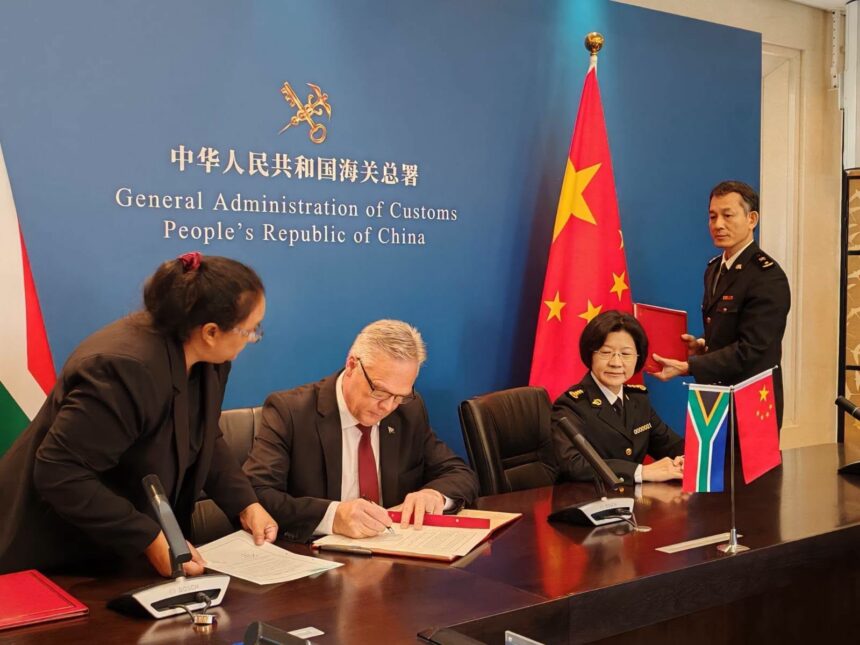
A new chapter has opened for South African agriculture as cherry producers gain access to the Chinese market for the first time. Agriculture Minister Willie Aucamp signed a landmark protocol on 8 September 2026 that clears the way for South African cherries to enter China under agreed sanitary and phytosanitary requirements. The agreement was signed in Beijing during the 9th Sanitary and Phytosanitary Ministerial Meeting alongside Minister Sun Meijun of the General Administration of Chinese Customs. The milestone creates a new export opportunity for South African fruit producers while strengthening agricultural trade ties between South Africa and China. For the local cherry industry, access to one of the world’s largest consumer markets could create opportunities for expansion, investment and long-term growth.
The signing of the protocol represents an important development for South African horticulture because international market access can have a direct impact on the growth prospects of fruit producers. South African farmers already participate in global agricultural markets, but gaining access to additional destinations can help diversify export opportunities and reduce reliance on existing markets. The Chinese market is particularly significant because of its large consumer base and growing demand for high-quality agricultural products. South African cherry producers can now work towards meeting the necessary export requirements and building commercial relationships with buyers in China. The agreement therefore creates a new pathway from local orchards to consumers in a major international market.
The protocol was concluded during the 9th SPS Ministerial Meeting in Beijing, placing the agreement within a broader framework of cooperation on agricultural health and food safety. Sanitary and phytosanitary measures are essential to international agricultural trade because importing countries need safeguards against pests, diseases and other biological risks. These requirements help protect agricultural production while ensuring that imported food meets the necessary safety and quality standards. For exporters, meeting these conditions can require detailed production controls, inspections, traceability systems and careful handling throughout the supply chain. The signing of the cherry protocol indicates that the relevant authorities have reached an agreement on the conditions under which South African cherries can enter the Chinese market.
The involvement of the General Administration of Chinese Customs is also significant because Chinese customs authorities play an important role in regulating agricultural imports. Export protocols provide clarity for producers and exporters by establishing the technical requirements that must be met before agricultural products can enter a foreign market. This can include measures relating to pests, diseases, orchard management, packing facilities and other stages of production and handling. Once market access is established, exporters must continue complying with the agreed requirements to maintain access and protect the reputation of the exporting industry. For South African cherry producers, understanding and consistently meeting these standards will be an important part of turning the new agreement into sustainable commercial trade.
The new market could provide meaningful opportunities for growers operating within South Africa’s cherry industry. Cherries are a specialised fruit that require suitable climatic conditions, careful orchard management and precise harvesting and post-harvest handling. Their quality can be affected by factors such as temperature, timing, storage and transportation, making an efficient export supply chain particularly important. Access to China could encourage producers to assess opportunities to expand orchards or improve existing production systems if demand develops. Increased export potential could also benefit businesses involved in packaging, cold storage, logistics and other services connected to the fruit industry.
Market diversification can also strengthen the resilience of the agricultural sector. Farmers face multiple risks, including changing weather conditions, production costs, exchange rates, disease threats and shifts in international demand. Having access to more export destinations gives producers additional options when planning where and how to sell their products. However, market access alone does not guarantee commercial success, as producers still need competitive pricing, reliable supply volumes and consistent quality. The opening of the Chinese market gives South African cherry producers another opportunity to build a diversified export strategy while competing in the international fresh fruit market.
The agreement could also contribute to stronger agricultural relations between South Africa and China. Agricultural trade creates opportunities for commercial relationships while encouraging cooperation between government departments, regulatory authorities and private-sector businesses. The cherry protocol adds another product to the range of agricultural goods that can potentially move between the two countries. It also demonstrates the importance of government-to-government negotiations in resolving technical barriers that can prevent agricultural products from entering foreign markets. Continued engagement could help identify additional opportunities for South African producers while strengthening cooperation on agricultural standards and trade.
For South African producers, the next stage will involve translating the protocol into actual shipments and commercial relationships. Exporters will need to understand the Chinese market, identify buyers and ensure that their orchards and packing operations comply with the required standards. Cold-chain management will also be important because fresh cherries need careful handling to preserve quality during transportation over long distances. The ability to deliver consistent volumes while maintaining freshness and meeting market specifications will influence how successfully producers establish the South African cherry brand among Chinese consumers. This means the signing of the protocol is an important starting point rather than the end of the market access process.
The potential benefits extend beyond established commercial producers. A growing export market can create opportunities throughout the agricultural value chain, including employment, logistics, packaging, agricultural services and infrastructure. Increased demand could encourage investment in orchard development and post-harvest facilities if producers see sustainable commercial opportunities in the Chinese market. Export growth can also contribute to rural economic activity in areas where fruit production forms an important part of the local economy. The scale of these benefits will depend on how quickly producers and exporters can build a competitive supply chain and establish a presence in the Chinese market.
The timing of the announcement also highlights the broader importance of expanding South Africa’s agricultural export base. Farmers need access to markets that can support profitable production while providing consumers with reliable supplies of quality food. Government efforts to negotiate market access can help remove regulatory barriers, but industry participants must then build the commercial systems needed to take advantage of those agreements. The cherry protocol provides South African producers with a new destination and creates an opportunity to develop a stronger position in the international cherry trade. It also reinforces the role of agricultural exports in creating new opportunities for farmers and businesses.
The opening of the Chinese market to South African cherries marks a significant milestone for the country’s agricultural sector. Minister Willie Aucamp’s signing of the protocol with Minister Sun Meijun provides producers with access to a major international market for the first time. The agreement creates new possibilities for export growth, market diversification and investment across the cherry value chain. Its long-term success will depend on producers meeting strict SPS requirements, maintaining high-quality fruit and developing efficient export and distribution networks. From South African orchards to Chinese consumers, this agreement creates a new commercial pathway and demonstrates how opening international markets can support the continued growth and development of South African agriculture.
Join 'Farmers Mag' WhatsApp Channel
Get the latest Farming news and tips delivered straight to your WhatsApp
CLICK HERE TO JOIN