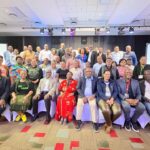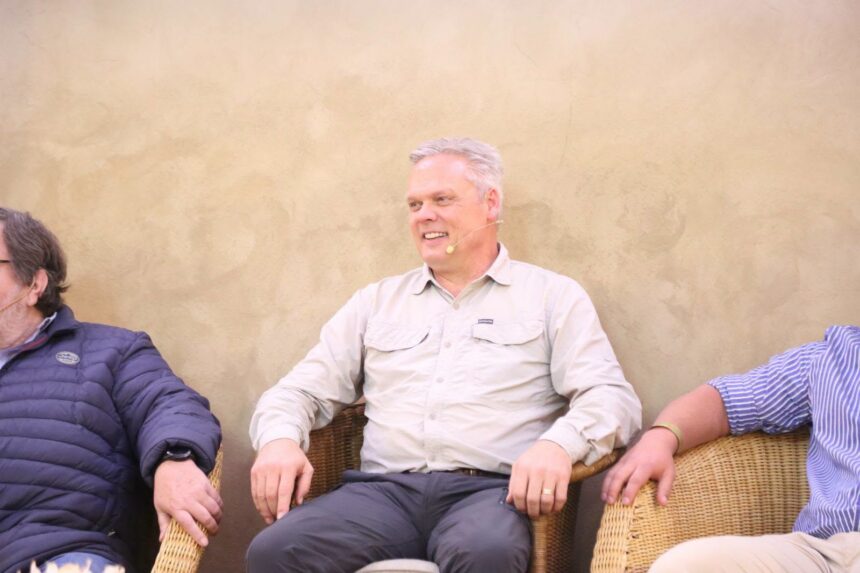
South Africa’s red meat industry is set for a significant boost after Agriculture Minister Willie Aucamp announced a breakthrough in export negotiations with Egypt. The development could open an important international market for South African beef and livestock producers at a time when the sector continues to deal with the serious effects of Foot and Mouth Disease (FMD). Minister Aucamp made the announcement during the Agri North West Congress on Thursday, 3 September 2026, highlighting the importance of expanding market access for farmers and agricultural businesses. The successful conclusion of negotiations on the Veterinary Health Certificate (VHC) marks an important step towards allowing South African red meat exports to reach Egypt. Once the final signatures are formally appended to the agreement, shipments will be cleared to move into the Egyptian market.
The agreement comes at a particularly important time for South Africa’s livestock industry, which has been dealing with one of the country’s biggest Foot and Mouth Disease outbreaks in decades. FMD has created significant challenges for livestock farmers, processors and exporters because animal health restrictions can limit access to international markets and disrupt established trading relationships. Against this background, securing an agreed veterinary health framework with Egypt represents an important opportunity for the red meat sector to strengthen its position in international trade. Minister Aucamp described the development as a major milestone for South Africa’s agricultural sector and said he had stressed the urgency of the negotiations with his team earlier in the week. He said the needs of red meat farmers had to remain a priority and welcomed the team’s efforts in bringing the negotiations to a successful conclusion.
South Africa and Egypt have now successfully concluded negotiations on the Veterinary Health Certificate governing the export of red meat from South Africa to Egypt. The VHC provides the regulatory framework required to govern animal health and food safety conditions for products entering the Egyptian market. Its finalisation gives exporters greater clarity about the requirements they must meet when supplying Egyptian buyers. The agreement also provides an important foundation for South African beef and livestock producers seeking to diversify their international customer base. Shipments will be able to proceed once the final signatures have been formally added to the agreement, bringing the export opportunity closer to becoming a practical commercial reality.
For South African red meat producers, access to Egypt could create new opportunities to expand production and strengthen their businesses. International market access allows producers and processors to reduce their reliance on a limited number of export destinations while creating additional avenues for selling their products. A larger and more diverse customer base can support greater investment across the livestock value chain, from farming and processing to logistics and distribution. The benefits can also extend beyond individual exporters because increased agricultural trade can generate economic activity in rural communities where livestock production plays an important role. Minister Aucamp stressed this broader impact, noting that opening international markets creates opportunities for money to flow back into rural economies and supports commerce throughout agricultural value chains.
The conclusion of the negotiations also reflects the importance of cooperation between government officials and international veterinary authorities. Minister Aucamp thanked the negotiating team for its work and emphasised that government should support the agricultural sector rather than create unnecessary obstacles for businesses and farmers. The agreement was reached through constructive engagement with Egyptian veterinary authorities, allowing both countries to establish a framework that addresses the required animal health and food safety standards. Such cooperation is particularly important for agricultural exports because importing countries need assurances that products meet established health and safety requirements. Clear and workable regulatory arrangements can help exporters plan with greater certainty and can make it easier for businesses to pursue opportunities in overseas markets.
The Egyptian market could become an important destination for South African red meat as exporters look to diversify their international presence. Egypt has a substantial consumer market, creating potential demand for quality meat products from established producing countries. However, gaining access to a market does not automatically guarantee increased exports, as producers and processors must still meet the relevant requirements and develop commercial relationships with buyers. The VHC provides a critical foundation by establishing the animal health and food safety conditions that exporters must follow. With those requirements clarified, South African businesses can focus on preparing to compete effectively and building sustainable trade relationships once shipments are authorised.
The development also supports the government’s broader objective of promoting inclusive economic growth and job creation through agriculture. The agricultural sector supports employment and economic activity across numerous connected industries, including farming, food processing, transportation, cold-chain logistics and retail. Increased export activity can therefore have an impact beyond the businesses directly involved in sending red meat overseas. Higher demand can encourage investment in production capacity, processing facilities and supporting services, while stronger value chains can create additional opportunities for rural enterprises and workers. By expanding access to international markets, government and industry can work together to improve the resilience and competitiveness of South Africa’s agricultural economy.
The breakthrough is particularly significant because it comes while the red meat industry continues to manage the consequences of Foot and Mouth Disease. Animal health remains a key factor in determining whether livestock products can move freely across borders, making strong disease management and compliance essential to maintaining export opportunities. The VHC negotiations demonstrate that market access efforts can continue alongside measures aimed at protecting animal health and meeting international standards. South African producers will still need to maintain strict compliance with veterinary and food safety requirements to protect the credibility of the country’s red meat exports. Continued cooperation between farmers, processors, government departments and international authorities will therefore remain important as the industry works to expand its presence in global markets.
The agreement with Egypt could also encourage further efforts to secure additional export destinations for South African agricultural products. Every new market provides businesses with an opportunity to diversify their sales and reduce exposure to disruptions affecting individual trading partners. For farmers operating in the red meat sector, greater export access can contribute to stronger demand and create opportunities to scale their operations where market conditions support expansion. Processors can also benefit from increased access to international customers, potentially supporting investment in facilities and processing capacity. These developments can strengthen the wider red meat value chain and contribute to a more competitive agricultural sector.
Minister Aucamp’s announcement signals an important step forward for South Africa’s red meat industry, particularly as producers continue to navigate the challenges created by Foot and Mouth Disease. The successful conclusion of the Veterinary Health Certificate negotiations provides a clearer path towards exporting South African red meat to Egypt, subject to the completion of the final signatures and compliance with the agreed requirements. The opportunity could help producers and processors diversify their export markets while supporting economic activity throughout the agricultural value chain. It also reinforces the importance of government working with industry and international partners to remove barriers to trade and create practical opportunities for farmers. As the final administrative steps are completed, South Africa’s red meat sector will be watching closely for the start of shipments and the potential economic benefits that stronger trade with Egypt could bring.
Join 'Farmers Mag' WhatsApp Channel
Get the latest Farming news and tips delivered straight to your WhatsApp
CLICK HERE TO JOIN