

The North-West Department of Agriculture and Rural Development has recorded no new cases of Foot-and-Mouth Disease (FMD) in the province over the past week, providing an important boost to ongoing efforts to control the disease. The development marks the first week since December 2025 that the province has reported no new FMD cases. While the milestone does not mean the disease threat has been eliminated, it indicates that intensified vaccination and disease-control measures may be starting to have a positive effect. Foot-and-Mouth Disease remains a serious concern for livestock farmers because outbreaks can affect animal movement, production and trade. The latest development therefore offers encouragement to farmers, livestock owners and agricultural stakeholders while highlighting the need for continued vigilance.
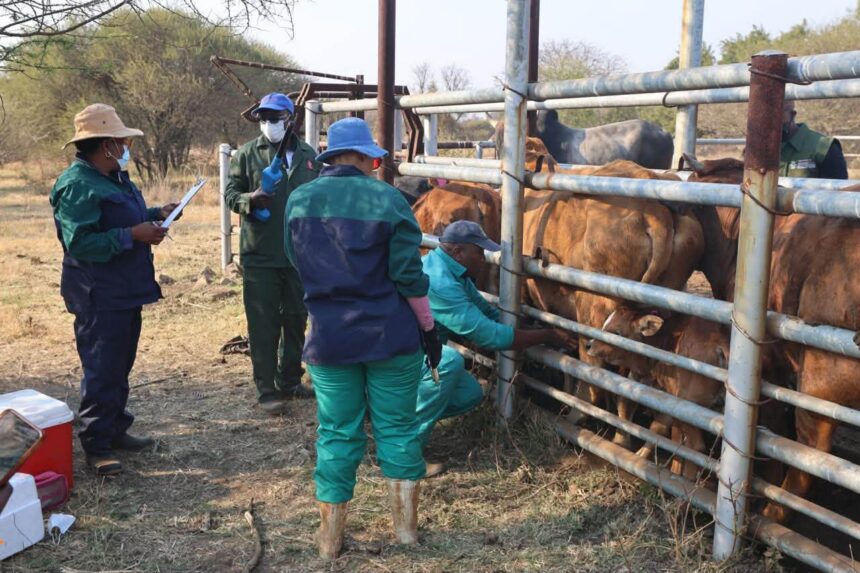
The absence of new cases follows an intensified provincial response aimed at limiting the spread of FMD and protecting the livestock sector. The North-West Department of Agriculture and Rural Development has been implementing a mass vaccination programme across all four districts and 18 local municipalities in the province. The programme forms part of broader national efforts to contain the disease and reduce its impact on livestock populations. Vaccination plays an important role in reducing the risk and severity of disease, but it must operate alongside other control measures to be effective. The latest figures suggest that the vaccination campaign has reached a substantial number of animals across the province.
To date, the province has received 1,570,100 doses of FMD vaccines, while 1,413,859 animals have been vaccinated. These figures demonstrate the scale of the vaccination operation and the resources being directed towards protecting livestock from further outbreaks. Reaching animals across a large province requires coordination between veterinary services, farmers, municipalities and other stakeholders. It also requires continued identification of animals and areas that have not yet been reached by the programme. Maintaining high vaccination coverage will remain an important part of the province’s strategy as authorities work to sustain the recent improvement.
The latest development was welcomed by the MEC for Agriculture and Rural Development, Madoda Sambatha, who described the week without a new FMD case as an encouraging sign of progress. Sambatha also stressed that the situation requires continued caution despite the positive development. Farmers and livestock owners have been urged to maintain strict biosecurity practices and immediately report suspected cases to veterinary authorities. Early reporting can help veterinary officials investigate potential infections and take appropriate action before a suspected outbreak has an opportunity to spread further. The message from the Department is therefore clear that the absence of new cases should encourage continued prevention rather than lead to complacency.
Biosecurity remains one of the most important tools available to livestock owners during an FMD outbreak. Farmers can reduce risks by controlling unnecessary movement of people, animals, vehicles and equipment around livestock areas. Good farm management also involves monitoring animals closely and responding quickly when signs of illness or unusual behaviour are identified. Livestock owners should work closely with veterinary authorities and follow official movement and disease-control requirements applicable to their areas. These measures become particularly important when disease activity appears to be declining because maintaining control can help prevent new infections from reversing recent progress.
Vaccination is an important component of the provincial response, but authorities have emphasised that it cannot work in isolation. The effectiveness of disease-control efforts also depends on responsible livestock management and compliance with measures designed to limit transmission. Farmers therefore have an important role to play in protecting their own herds as well as reducing risks to neighbouring farms and the wider livestock sector. Maintaining accurate livestock records, following veterinary guidance and reporting suspected cases can strengthen disease surveillance. A coordinated approach gives authorities a better opportunity to identify potential threats and respond before they develop into wider outbreaks.
The Department is also preparing for the next stage of the vaccination programme, with booster vaccinations anticipated to begin in September 2026 in areas where animals have already received their initial vaccinations. Booster vaccinations are intended to support continued protection among animals that have already been included in the programme. At the same time, officials will continue identifying and vaccinating animals in areas that have not yet been reached. This dual approach is important because protecting previously vaccinated animals needs to continue while gaps in vaccination coverage are addressed. Continued implementation will help the province strengthen its overall level of protection as it works towards sustained disease control.
The planned booster programme also highlights the importance of maintaining vaccination efforts over time rather than treating the initial campaign as a once-off intervention. Disease-control programmes require ongoing monitoring because conditions can change and risks can emerge in different areas. Veterinary authorities therefore need reliable information about vaccination coverage, suspected cases and livestock movements to guide their response. Farmers can support this process by cooperating with veterinary teams and providing accurate information when required. Continued coordination will be particularly important as the province moves from intensive initial vaccination towards longer-term disease management.
The Department will continue working with farmers, organised agriculture, municipalities, traditional leaders and other stakeholders to strengthen disease surveillance and vaccination coverage. This collaboration is essential because livestock disease control involves multiple communities and administrative areas. Farmers have direct knowledge of their herds and local conditions, while veterinary authorities provide specialist expertise and coordinate disease-control interventions. Municipalities and traditional leaders can also play an important role in communicating information and encouraging compliance within communities. Bringing these groups together can improve the reach and effectiveness of vaccination, surveillance and other measures designed to protect livestock.
The economic importance of controlling FMD makes the latest development significant beyond individual farms. Livestock production supports farmers, workers, businesses and communities, while disease outbreaks can create major operational challenges for producers. Restrictions associated with disease control can affect livestock movements and the ability of farmers to conduct normal commercial activities. Reducing new infections can therefore help create conditions for greater stability within the livestock sector, although restrictions and control measures must continue to follow veterinary and government guidance. Sustained disease control will be important for protecting livestock health and supporting the long-term resilience of agriculture in the province.
The North-West’s first week without a new FMD case since December 2025 represents an encouraging development in the province’s ongoing fight against the disease. The vaccination of 1,413,859 animals, supported by more than 1.57 million vaccine doses received, demonstrates the scale of the intervention already under way. However, the recent improvement should not be interpreted as the end of the outbreak response, as continued vaccination, surveillance, biosecurity and responsible livestock management remain essential. With booster vaccinations expected to begin in September 2026 and efforts continuing to reach unvaccinated animals, the province is preparing to build on the progress recorded this week. Continued cooperation between government, farmers, communities and agricultural stakeholders will be critical to maintaining this positive trend and strengthening protection for the North-West livestock sector.
Join 'Farmers Mag' WhatsApp Channel
Get the latest Farming news and tips delivered straight to your WhatsApp
CLICK HERE TO JOIN




