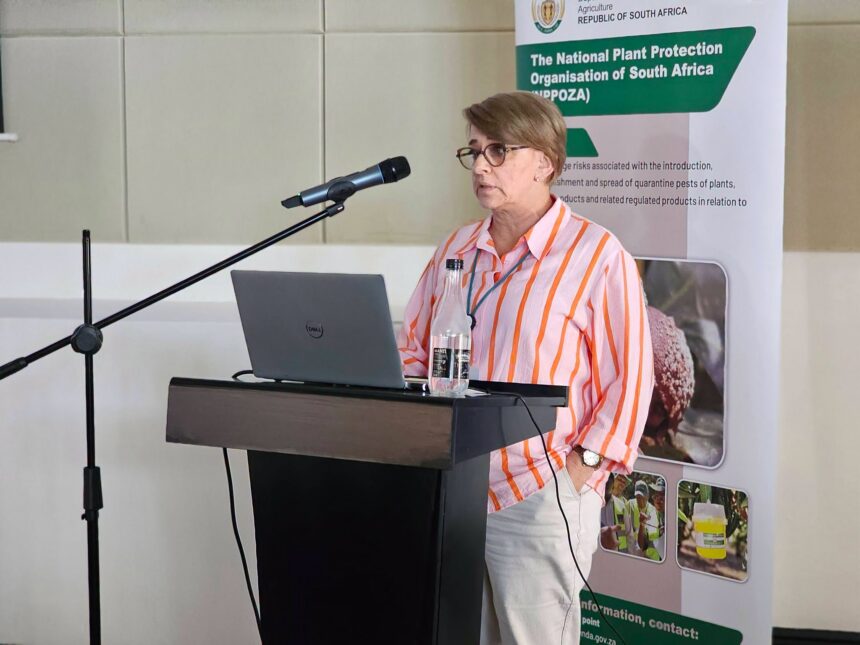
South Africa has taken another important step towards strengthening plant health and agricultural biosecurity after the National Department of Agriculture, through the National Plant Protection Organisation of South Africa (NPPOZA), concluded its National Consultative Workshop on the draft Regulations under the Plant Health Act No. 35 of 2024. Held in Paarl in the Western Cape, the workshop brought together key stakeholders to examine proposed regulations that will shape how plant health risks are managed across the country. The consultation focused on the Draft National Control Measures, Export Regulations and Import Regulations, giving participants an opportunity to provide technical, scientific and practical input. These discussions are important because effective plant health regulations need to protect agricultural production while remaining practical for the people and organisations responsible for implementing them. The process signals a continued effort to establish a modern regulatory framework that can strengthen South Africa’s ability to prevent, manage and respond to plant health threats.
The consultation provided stakeholders with an opportunity to engage directly with the proposed regulatory framework before the regulations are finalised. Bringing together different areas of expertise can help identify potential gaps, implementation challenges and technical issues that may not be apparent during the drafting process. Plant health involves farmers, exporters, importers, researchers, government authorities, agricultural businesses and other stakeholders, each of whom has a role to play in maintaining effective biosecurity. Their practical experience can help ensure that regulatory requirements are both scientifically sound and realistic to implement. Meaningful consultation can also improve understanding of the responsibilities that will accompany the implementation of the new regulatory framework.
The Draft National Control Measures form an important part of the proposed regulatory system because they are intended to strengthen the management of plant health risks within South Africa. Plant diseases and pests can spread through the movement of plants, plant products and other pathways, potentially causing serious damage to agricultural production. Effective control measures can help reduce the likelihood of harmful organisms becoming established or spreading into new areas. Strong plant health controls also protect natural resources and ecosystems from threats that may have long-term consequences. A science-based approach allows authorities to use available evidence to determine appropriate measures while considering the practical realities of agricultural production and trade.
The proposed Export Regulations and Import Regulations are also important because plant health and international trade are closely connected. Plants and plant products moving across borders can carry pests and diseases if authorities do not apply appropriate inspection, certification and risk-management measures. Strong import controls can help protect domestic agriculture from harmful organisms that may not currently occur in the country or may have limited distribution. At the same time, clear export requirements can help South African producers and businesses meet the plant health standards required by international trading partners. A well-designed regulatory framework can therefore protect the country’s agricultural resources while supporting the safe movement of agricultural products.
The workshop highlighted the need for a modern and science-based plant health regulatory framework that can respond effectively to changing agricultural risks. Plant health threats can evolve as pests and diseases move into new areas, environmental conditions change and patterns of agricultural production develop. Regulations must therefore provide authorities with appropriate tools to identify and manage risks while allowing the system to adapt to emerging threats. Scientific evidence is central to this process because decisions about plant health controls should reflect credible information about disease and pest risks. Making the framework implementable is equally important because regulations only provide meaningful protection when farmers, businesses and government structures can apply them effectively.
Biosecurity was another central concern throughout the discussions. Effective plant biosecurity involves preventing harmful pests and diseases from entering, becoming established and spreading within agricultural and natural environments. This requires cooperation across the entire plant production and supply chain, rather than relying solely on government inspections or enforcement. Farmers and other industry participants need to understand the risks associated with moving plant material and recognise the importance of complying with applicable controls. Stronger regulations, combined with effective surveillance, education and awareness, can create multiple layers of protection against plant health threats.
The regulatory process also has broader implications for the protection of South Africa’s agricultural production and natural resources. Plant diseases and invasive pests can reduce crop yields, affect the quality of agricultural products and increase production costs for farmers. In severe cases, outbreaks can threaten entire industries and disrupt markets if trading partners introduce restrictions on affected products. Natural ecosystems can also face risks when harmful organisms become established outside agricultural areas. Strengthening plant health systems can therefore support both food production and environmental protection while helping reduce the economic consequences associated with plant health emergencies.
The workshop also established a clear way forward for the regulations and the Plant Health Act No. 35 of 2024. Following the consultation process, the Regulations are expected to be submitted to the Minister for approval as part of the steps towards finalisation. The process will also support the proclamation and commencement of the Plant Health Act, which will provide the legislative foundation for the strengthened plant health framework. Establishing provincial plant health and biosecurity structures is another important part of the next phase. These structures can help translate national policy and regulatory requirements into coordinated action at provincial and local levels.
Strengthening collaboration on surveillance and awareness will also be essential as the regulatory framework moves towards implementation. Surveillance helps authorities detect plant pests and diseases early, gather information about their distribution and identify emerging risks before they become more difficult to control. Awareness programmes can help farmers and other stakeholders recognise potential threats and understand the steps they need to take when risks are identified. Effective communication can also encourage timely reporting, which gives plant health authorities better opportunities to investigate and respond to potential outbreaks. Combining regulation with surveillance, education and collaboration can create a stronger national system for protecting plant health.
For farmers, the development of effective plant health regulations can provide greater clarity about the measures required to protect crops and comply with national and international standards. Clear rules can help producers understand how plant material should be handled, transported and traded while reducing uncertainty around regulatory requirements. Farmers also benefit when government provides accessible information and practical guidance on emerging pests, diseases and biosecurity measures. The success of the new framework will therefore depend not only on the quality of the regulations but also on effective communication and support during implementation. Continued engagement with farming communities will help ensure that plant health measures are understood and applied consistently.
The National Consultative Workshop in Paarl has brought South Africa closer to a strengthened plant health regulatory system based on scientific evidence, practical implementation and stakeholder collaboration. The engagement on the Draft National Control Measures, Export Regulations and Import Regulations provided an important opportunity to refine the framework before final approval and implementation. The next steps, including submitting the Regulations to the Minister, supporting the commencement of the Plant Health Act No. 35 of 2024, establishing provincial plant health structures and strengthening surveillance and awareness, will be critical to turning the consultation process into practical action. Strong plant health protection requires more than regulations alone. It depends on continued cooperation between government, farmers, researchers, industry and communities to prevent threats, respond to risks and protect South Africa’s agricultural production and natural resources for years to come.
Join 'Farmers Mag' WhatsApp Channel
Get the latest Farming news and tips delivered straight to your WhatsApp
CLICK HERE TO JOIN