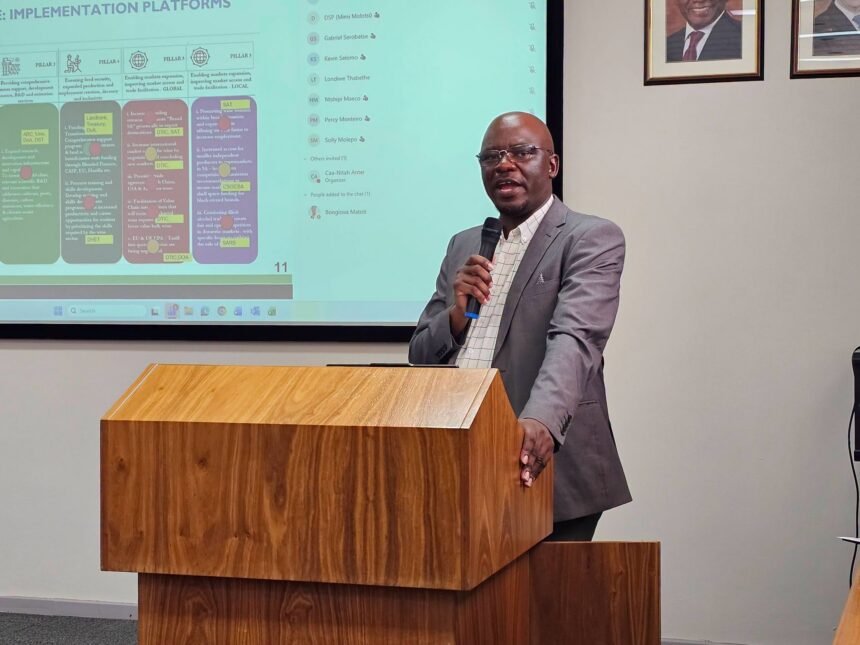
The National Department of Agriculture is hosting the 22nd National Agro-processing Forum meeting as stakeholders intensify efforts to turn the Agriculture and Agro-processing Master Plan (AAMP) into measurable progress across South Africa’s agricultural value chain. The meeting brings together national and provincial government, public entities, industry representatives and development partners to assess implementation and strengthen cooperation. The discussions build on the outcomes of the 21st National Agro-processing Forum, with a stronger focus on practical delivery and results. Agro-processing plays an important role in creating value from agricultural products, supporting jobs and expanding opportunities for businesses across the value chain. The latest meeting therefore provides an opportunity to examine what has been achieved, identify remaining challenges and agree on actions that can accelerate inclusive growth in the sector.
A major focus of the Forum is the progress made in implementing the agro-processing priorities contained in the AAMP. The Master Plan aims to strengthen collaboration between government and the private sector while supporting investment, competitiveness, transformation and growth across agricultural value chains. Effective implementation requires more than policy commitments because programmes must reach businesses and producers facing challenges on the ground. The Forum is consequently examining how different institutions are aligning their programmes and whether existing interventions are producing meaningful outcomes. This approach can help reduce duplication, improve coordination and ensure that available resources address the most pressing constraints facing the agro-processing sector.
Small, emerging and black-owned agro-processing enterprises remain an important part of these discussions because many businesses face barriers that limit their ability to expand. Access to finance remains a significant challenge, particularly for enterprises that need capital to purchase equipment, increase production capacity or meet compliance requirements. Limited access to markets can also prevent businesses from generating consistent revenue and building sustainable operations. Infrastructure gaps, inadequate processing equipment and difficulties meeting food-safety and product-certification requirements can further increase operating costs. Strengthening technical, financial and management support could help more enterprises move from small-scale operations towards sustainable businesses that participate more effectively in formal value chains.
The Forum is also considering the practical conditions that affect the competitiveness of agro-processing businesses. High input costs, expensive logistics and unreliable access to suitable raw materials can place considerable pressure on processors, especially smaller businesses with limited financial reserves. A processor may have suitable equipment and market demand but still struggle if agricultural inputs are inconsistent in volume, quality or availability. Stronger links between producers, processors, logistics providers and markets can help address some of these problems by improving planning and supply-chain coordination. Better coordination can also support local value addition by increasing the amount of agricultural produce that is processed into higher-value products instead of being sold with limited processing.
Animal health has added another layer of complexity to agricultural and agro-processing value chains. Recent challenges involving Foot and mouth disease have demonstrated how disruptions in livestock production and animal movement can affect businesses beyond the farm. Abattoirs, meat processors, transport operators, exporters and other businesses can experience direct consequences when livestock movement is restricted or production is disrupted. These interruptions can affect supply volumes, operating capacity, employment and access to domestic and international markets. The situation reinforces the need for strong cooperation between primary agriculture, animal-health authorities and agro-processing stakeholders so that disease-control measures protect animal health while supporting the resilience of connected value chains.
The wider economic environment is also influencing the cost of agricultural production and processing. Changes in global trade conditions can affect market access, export opportunities and the competitiveness of locally produced goods. Fluctuations in fuel, fertiliser, electricity and transport costs can increase production expenses and raise the cost of moving agricultural products between farms, processing facilities and markets. Higher costs can place particular pressure on smaller enterprises that have less capacity to absorb increases or negotiate favourable prices with suppliers and customers. Building more resilient supply chains will therefore require stakeholders to consider both domestic constraints and international economic developments when designing support measures.
The 22nd National Agro-processing Forum provides a platform for stakeholders to move beyond identifying challenges and focus on implementation. This means establishing clear responsibilities, setting realistic timeframes and tracking whether agreed interventions deliver measurable improvements. Regular coordination can help institutions identify delays earlier and respond when programmes are not reaching their intended beneficiaries. It can also strengthen accountability by making it easier to determine which stakeholders are responsible for specific actions. A results-driven approach is particularly important for enterprises that need practical support now, rather than policy commitments that may take years to translate into meaningful assistance.
Effective implementation of the AAMP will also depend on stronger cooperation between government and industry. Government institutions can provide policy direction, regulatory support, infrastructure investment and targeted programmes, while private-sector participants bring market knowledge, investment, production expertise and access to commercial value chains. Development partners and public entities can contribute financing, technical assistance, research and capacity-building initiatives where these address clearly identified gaps. When these roles complement one another, support can become more coordinated and responsive to the needs of businesses. The Forum’s emphasis on alignment therefore has the potential to improve how resources and expertise are deployed across the agro-processing sector.
The meeting also highlights the importance of building an agro-processing sector that is sustainable, competitive and inclusive. Growth should create opportunities for more producers and enterprises to participate in value chains while supporting jobs and investment in processing activities. Transformation remains important because historically disadvantaged and black-owned businesses need meaningful opportunities to access finance, infrastructure, markets and technical support. Sustainability also requires businesses to develop models that can withstand changing input costs, supply disruptions, regulatory demands and shifts in consumer and export markets. Addressing these issues together can help create a stronger agricultural economy that generates greater value from production through to processing and final markets.
The 22nd National Agro-processing Forum comes at an important point in the implementation of the Agriculture and Agro-processing Master Plan. Its value will ultimately depend on whether discussions translate into specific actions that address the financial, infrastructure, market, compliance, skills, logistics and raw-material challenges facing agro-processing enterprises. Stronger coordination between government, industry, public entities and development partners can help close implementation gaps and improve the delivery of existing programmes. The experiences of livestock value chains affected by animal-health challenges also show why agricultural production and processing must be addressed as connected parts of the same economic system. By focusing on measurable results, clear responsibilities and realistic deadlines, the Forum can help strengthen the foundation for a more resilient, competitive and inclusive agro-processing sector.
Join 'Farmers Mag' WhatsApp Channel
Get the latest Farming news and tips delivered straight to your WhatsApp
CLICK HERE TO JOIN