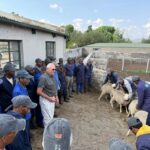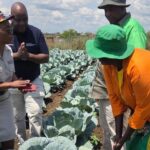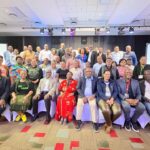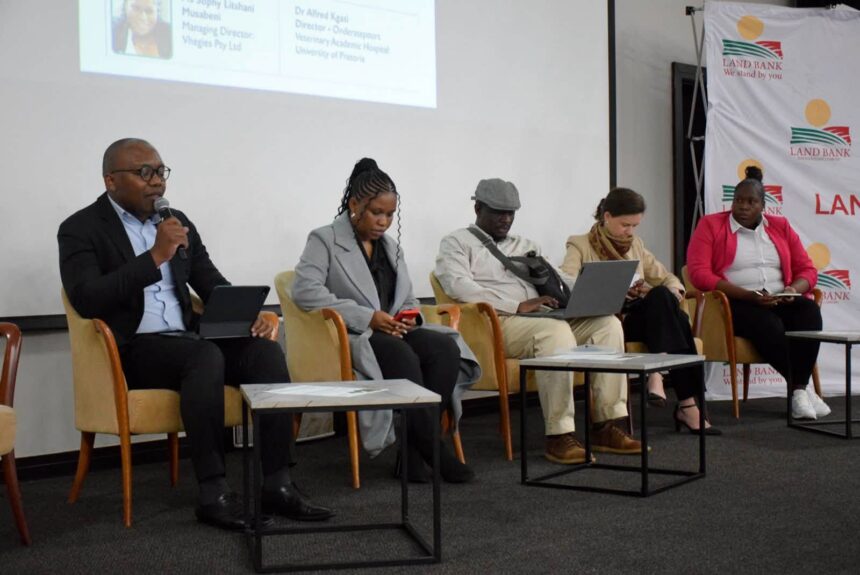
Land Bank has reinforced the importance of regional integration, coordinated financing and stronger partnerships in building a more resilient agricultural sector across Southern Africa. The institution hosted a Policy Dialogue under the theme “Driving Regional Integration in the Agricultural Sector,” bringing together agricultural experts, financial specialists, industry representatives and business leaders to examine ways to unlock opportunities across regional agricultural value chains. The discussion focused on how collaboration between financial institutions, farmers, government structures, businesses and regional partners can improve investment and strengthen agricultural production. Speakers also considered the importance of developing bankable agricultural projects that can attract investment while supporting inclusive growth across the region. The dialogue highlighted the need for a connected agricultural ecosystem that enables farmers and businesses to participate more effectively in regional markets.
In his keynote address, Jabu Mphambo, Acting Chief Executive Officer of Land Bank, emphasised the importance of creating a connected and resilient agricultural ecosystem across the region. He highlighted the role that Land Bank can play in developing bankable agricultural projects that strengthen Southern African Development Community (SADC) agricultural value chains. Bankable projects are important because they provide investors and financial institutions with structured opportunities that can be assessed and supported through appropriate funding models. Mphambo also pointed to the value of working with local and regional partners to develop innovative financial solutions that can unlock investment. These efforts can help address some of the financing constraints that limit growth across different parts of the agricultural value chain.
Regional integration presents opportunities for agricultural economies to work together rather than operating as isolated markets. Stronger connections between producers, processors, transporters, financial institutions and markets can create more efficient agricultural value chains. Farmers and agricultural businesses can potentially benefit from larger markets, improved access to inputs and stronger links to processing and distribution networks. However, achieving these benefits requires coordinated investment and cooperation between different stakeholders. The Policy Dialogue provided a platform for discussing how financial institutions and industry partners can contribute to creating these stronger regional connections.
Land Bank’s role in developing bankable agricultural projects was a central part of the discussion. Agricultural projects often require significant capital for land development, irrigation, equipment, infrastructure, processing facilities and other investments that support production. Access to suitable finance can determine whether farmers and agricultural businesses are able to expand their operations and participate in larger value chains. Developing projects that meet investment requirements can help connect agricultural opportunities with sources of funding. Land Bank’s focus on innovative financial solutions therefore has the potential to support projects that contribute to agricultural production while strengthening value chains across the SADC region.
The discussion also highlighted the potential of Special Economic Zones to support agricultural investment and regional economic development. Special Economic Zones can provide an environment designed to attract investment and encourage industrial and commercial activity. In agriculture, these areas can support processing, manufacturing, logistics and other activities that add value to primary agricultural products. Developing agricultural projects around these opportunities can help create stronger connections between farmers and downstream industries. Land Bank’s engagement with partners on financial solutions for such developments reflects the importance of linking agricultural finance with broader economic infrastructure.
The Policy Dialogue brought together a diverse group of participants with experience across agriculture, economics, finance and business. Participants included Jabu Mphambo, Acting CEO at Land Bank, Prof Grany Mmatsatsi Senyolo, an Agricultural Economist at Tshwane University of Technology, Mr Tshepo Dlamini, a Finance Technical Team member at the African Farmers Association of South Africa (AFASA), Ms Jolanda Andrag, Chief Operating Officer at Agriculture South Africa (AgriSA), and Ms Sophy Litshani Musabeni, Managing Director of Vhegies (Pty) Ltd. Their different perspectives added depth to the discussion around agricultural financing, farmer support, economic transformation and regional value chains. Bringing stakeholders from different parts of the agricultural ecosystem together can help identify practical solutions to shared challenges.
Mphambo also emphasised Land Bank’s broader mandate to support agricultural development and transformation. He stated that the bank’s mandate is to develop and transform while supporting economic growth and transformation in the agricultural sector. This focus places agricultural finance within a wider development agenda that includes strengthening farmers, expanding productive capacity and supporting inclusive participation in the economy. Finance can play an important role in helping agricultural enterprises invest in their operations, improve productivity and access new markets. However, effective agricultural development also requires partnerships, infrastructure, skills and market opportunities to ensure that financing produces sustainable results.
Supporting farmers and expanding access to finance remain important elements of agricultural transformation. Farmers require capital at different stages of production, from purchasing inputs and equipment to investing in infrastructure and expanding processing capacity. Smaller and emerging agricultural enterprises can face additional challenges when attempting to secure suitable financing for growth. Innovative financial products and stronger partnerships can help address some of these barriers when they are designed around the practical needs of agricultural businesses. Greater access to finance can also help farmers participate in more parts of the value chain rather than remaining focused solely on primary production.
The dialogue further highlighted the importance of inclusive economic growth within the agricultural sector. Regional integration should create opportunities for a broad range of participants, including emerging farmers, established agricultural businesses and enterprises involved in processing and other downstream activities. Inclusive value chains can create opportunities for businesses to expand while helping communities benefit from agricultural economic activity. Strengthening participation requires attention to access to finance, skills development, infrastructure and market access. Collaboration between institutions such as Land Bank and agricultural organisations can help identify barriers and develop approaches that support wider participation.
A stronger regional agricultural ecosystem could also improve resilience by creating deeper connections between different markets and value chain participants. Agricultural producers face a range of pressures, including changing market conditions, production costs, infrastructure constraints and access to capital. Stronger partnerships can help stakeholders coordinate responses and identify opportunities for investment and expansion. Regional cooperation can also support the movement of agricultural products and strengthen links between production areas and processing or consumer markets. Building resilience therefore requires financial institutions and agricultural stakeholders to consider the entire value chain rather than focusing on individual businesses or projects in isolation.
The Land Bank Policy Dialogue has reinforced the importance of collaboration in unlocking the agricultural sector’s potential across the SADC region. Under the theme “Driving Regional Integration in the Agricultural Sector,” the event brought together stakeholders to consider how coordinated financing, bankable projects and stronger partnerships can support agricultural value chains and investment. Jabu Mphambo’s emphasis on Land Bank’s mandate highlighted the institution’s role in supporting farmers, agricultural transformation and inclusive economic growth. The discussions around regional value chains, innovative financial solutions and Special Economic Zones also demonstrated the need to connect agricultural finance with broader economic development opportunities. Continued collaboration between financial institutions, farmers, industry organisations, researchers and regional partners will be important in building a connected, resilient and inclusive agricultural ecosystem that can support sustainable growth across the SADC region.
Join 'Farmers Mag' WhatsApp Channel
Get the latest Farming news and tips delivered straight to your WhatsApp
CLICK HERE TO JOIN