Preparations for KwaZulu-Natal’s upcoming Multi-Planting Season programme are on track, with the provincial Department of Agriculture and Rural Development working towards the launch later this month. The programme is designed to support farmers through two main forms of assistance, mechanisation services and production inputs. Farmers who qualify can receive support with ploughing, discing, planting and chemical application, or access inputs such as fertiliser, grain seeds and seedlings. The initiative comes as government looks to strengthen agricultural production while using the sector to create income and employment opportunities. KwaZulu-Natal Agriculture and Rural Development MEC, Hon. Thembeni KaMadlopha-Mthethwa, says the preparations are progressing as planned and that the department is focused on ensuring that farmers receive the support they need ahead of the planting season.
The Multi-Planting Season programme follows a recent call by the department for farmers to apply for assistance under the available support options. Mechanisation support is intended to help farmers prepare and plant their fields by providing services that can be costly for individual producers to access. Ploughing, discing and planting are essential activities that must take place within the appropriate production windows to give crops the best chance of establishing successfully. Chemical application can also form part of the support provided, depending on the needs of participating farmers and the applicable agricultural requirements. For farmers who already have access to machinery but require production resources, the production input option provides another route to support through fertiliser, grain seeds and seedlings.
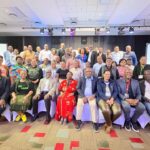
MEC KaMadlopha-Mthethwa provided an update on the programme while speaking on the sidelines of the KwaZulu-Natal Premier’s Coordinating Forum at the Archie Gumede Conference Centre in Mayville, Durban. The forum brought together representatives from different spheres of government, civil society and non-governmental organisations to discuss issues affecting communities across the province. Discussions included service delivery challenges involving electricity, water and roads, as well as wider social and economic problems such as crime, poverty and other social ills. Agriculture forms part of this broader development picture because farming can contribute to household income, local economic activity and employment. The Multi-Planting Season programme is therefore being positioned within a wider effort to address the challenges faced by communities while supporting productive economic activity.
KwaZulu-Natal Premier Hon. Thamsanqa Ntuli has expressed hope that the programme will contribute to job creation, particularly among young people. The focus on employment comes against the backdrop of high unemployment levels nationally and within KwaZulu-Natal. The national unemployment rate stood at 33.6 percent in the second quarter of 2026, while KwaZulu-Natal recorded an unemployment rate of 32.5 percent during the same period. These figures highlight the scale of the employment challenge and the need for sectors capable of creating opportunities at community level. Premier Ntuli believes the Multi-Planting Season programme can contribute to job creation as agricultural activities increase once the programme gets underway.
Agriculture has the potential to create employment through much more than the actual planting and harvesting of crops. Increased farming activity can generate demand for labour, transport services, agricultural inputs, machinery operators, equipment maintenance and other services that support the farming value chain. Young people can potentially benefit from opportunities created around production, logistics and agricultural services, particularly in communities where farming remains an important economic activity. Supporting farmers to increase production can therefore have an impact beyond individual farms by stimulating economic activity in surrounding areas. The success of such opportunities will depend on farmers being able to access the necessary resources and markets while maintaining productive and sustainable farming operations.
MEC KaMadlopha-Mthethwa has emphasised the resilience of the agricultural sector despite difficult economic conditions. Farmers have continued producing food and supporting livelihoods through periods of economic pressure, demonstrating the importance of agriculture to communities and the broader economy. Agricultural production can provide households with food while also creating opportunities to generate income through the sale of surplus produce. Supporting farmers during critical stages of production can help them maintain and potentially expand their operations. The Multi-Planting Season programme therefore provides an opportunity to build on the resilience of farmers by addressing some of the resource and mechanisation challenges that can affect production.
The availability of mechanisation support could be particularly important for small-scale farmers who may struggle to access tractors and other equipment. Preparing agricultural land manually can require significant amounts of time and labour, while hiring machinery privately can be expensive for farmers operating on limited budgets. Government-supported mechanisation can help farmers access essential services at a time when field preparation and planting need to take place efficiently. Proper timing is important in crop production because delays in planting can affect crop establishment and ultimately influence yields. By supporting farmers with ploughing, discing, planting and chemical application, the programme aims to help producers move through key production activities more effectively.
Production inputs are equally important for farmers who need resources to establish their crops. Fertiliser can provide nutrients required for crop development, while suitable grain seeds and seedlings form the basis of successful crop production. The availability of these inputs can reduce some of the financial pressure faced by farmers during the planting season. Farmers will still need to use inputs appropriately and follow recommended production practices to achieve the best possible results. Combining input support with agricultural advice can help farmers make informed decisions about what to plant, how much to plant and how to manage their crops throughout the production cycle.
The programme also creates an opportunity to strengthen agricultural participation at community level. Many rural households rely on farming for some combination of food, income and livelihood support, making agricultural programmes important to local development. Increased production can contribute to household food security by enabling farmers to grow crops for their own consumption. Where farmers produce a surplus, they can potentially sell their produce and generate additional income. This combination of food production and income generation can make agriculture an important part of efforts to address poverty and improve livelihoods in KwaZulu-Natal.
The department’s preparation for the programme will be closely watched by farmers who have applied for support and those who may benefit from future agricultural initiatives. Effective implementation will require support to reach farmers within the appropriate production periods and for the different forms of assistance to match their actual farming needs. Clear communication will also be important as farmers need to know when and where programme activities will take place. The department has indicated that the date and venue for the official launch will be communicated in due course. Farmers and other agricultural stakeholders will therefore need to monitor official announcements for further information about the launch and implementation of the programme.
The upcoming Multi-Planting Season programme represents an important opportunity for KwaZulu-Natal to strengthen agricultural production while using farming as a platform for job creation and rural economic development. With support covering both mechanisation and production inputs, the initiative addresses several practical requirements that farmers face during the planting season. The focus on young people and employment also reflects the need to connect agricultural development with the province’s wider economic challenges. If implemented effectively, the programme can help farmers prepare their fields, establish crops and strengthen their contribution to food security and local economies. As KwaZulu-Natal prepares for the programme’s launch later this month, the focus will now shift towards turning the planned support into productive fields, stronger farming enterprises and new opportunities for communities across the province.
Join 'Farmers Mag' WhatsApp Channel
Get the latest Farming news and tips delivered straight to your WhatsApp
CLICK HERE TO JOIN