

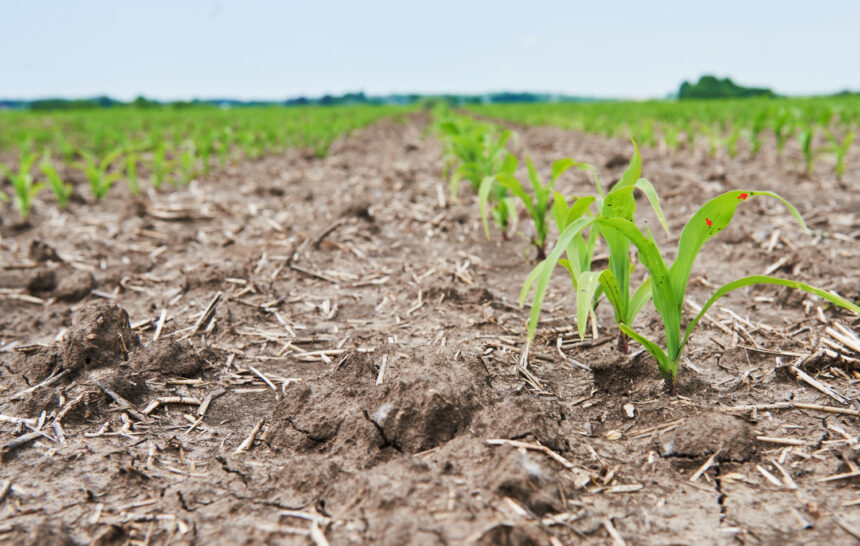
El Niño is a natural climate pattern that can significantly influence rainfall and temperatures across South Africa, creating serious risks for farmers during the summer growing season. The South African Weather Service Seasonal Climate Watch issued on 31 August 2026 indicates that El Niño conditions are occurring and are expected to continue through the 2026/27 summer season. The outlook points to many areas potentially experiencing below-normal rainfall during the summer, alongside higher temperatures that could increase pressure on crops, livestock and water resources. This comes after above-normal rainfall during the 2025/26 summer season improved dam levels and soil moisture across most summer rainfall areas. Farmers therefore need to prepare early and use climate-smart farming and risk reduction measures to manage the potential impact of drier and hotter conditions.
El Niño occurs when changes in ocean temperatures in the Pacific Ocean influence global atmospheric circulation and weather patterns in different parts of the world. In South Africa, El Niño conditions are typically associated with lower-than-normal summer rainfall and higher temperatures, although the effects can differ between regions and seasons. The expected conditions during the 2026/27 summer season are particularly important for the agricultural sector because crops and livestock depend heavily on reliable rainfall and access to sufficient water. Farmers also need to consider how high temperatures can increase evaporation and contribute to heat stress. Understanding the climate outlook early gives producers an opportunity to adjust their farming decisions and reduce avoidable losses.
The transition from winter to spring normally brings increasing rainfall to South Africa’s summer rainfall areas as the country moves towards the main agricultural production season. However, the expected El Niño conditions could disrupt this pattern, particularly where below-normal rainfall and high temperatures occur. Delayed rainfall can affect planting decisions, soil moisture levels and the establishment of crops during the early stages of the growing season. Farmers who plant without adequate moisture could face poor germination, weak crop establishment and additional input costs if rainfall remains limited. Producers should therefore closely monitor local rainfall conditions and climate information before making major planting and production decisions.
The agricultural risks associated with El Niño extend beyond reduced rainfall. Higher temperatures can increase evaporation from soils, dams and other water sources while increasing the water requirements of crops and livestock. Prolonged dry conditions can reduce crop yields and, in severe situations, contribute to crop failure. Livestock can also experience heat stress, reduced access to grazing and water shortages, potentially increasing the risk of illness and mortality. Farmers who depend on irrigation may face additional pressure if water restrictions are introduced in response to reduced water availability.
Crop farmers are encouraged to implement climate-smart agricultural practices that conserve soil moisture and protect the productive capacity of their land. Conservation Agriculture principles can help minimise soil disturbance, protect soil structure and reduce moisture losses while also limiting soil erosion. Farmers should use implements and production practices that support these objectives rather than unnecessarily disturbing the soil. Maintaining soil cover where appropriate can also help protect the soil surface from excessive heat and erosion. These measures become particularly important during periods of below-normal rainfall because every effort to conserve available moisture can support crop establishment and development.
Farmers should also carefully assess how much land they place under production during a season when rainfall prospects are unfavourable. Expanding cultivated areas without sufficient consideration of available water and expected rainfall can increase financial exposure and place additional pressure on scarce resources. Producers are encouraged to prioritise suitable cultivars that can withstand dry and hot conditions where appropriate. Selecting crops and cultivars according to local conditions can improve the chances of maintaining production when weather conditions become challenging. Farmers should also remain within the recommended planting window and avoid unnecessary delays that could expose crops to additional climate risks later in the season.
The choice of planting material remains an important consideration, particularly when farmers are planning for potentially difficult growing conditions. Farmers are advised to prioritise cultivars listed in the National Varietal List and to comply with the Plant Improvement Act, 2018 (Act No. 11 of 2018). Using suitable and compliant varieties can help producers make better-informed planting decisions while supporting responsible agricultural production. Farmers should consider cultivar characteristics alongside local soil conditions, water availability and the expected climate when selecting what to plant. Combining appropriate varieties with sound soil and water management can improve resilience during periods of climate stress.
Water management will become increasingly important if the 2026/27 summer season delivers below-normal rainfall. Water is a scarce resource, and farmers are encouraged to use available supplies as efficiently as possible. Water harvesting can provide an additional source for agricultural activities where appropriate, while efficient irrigation systems such as drip irrigation can help reduce unnecessary water losses. Irrigation should also be scheduled at times that support water conservation, such as early morning or evening, when evaporation rates are generally lower than during the hottest part of the day. Farmers must also comply with water restrictions implemented in their areas and adjust their irrigation practices according to available supplies and official requirements.
Livestock farmers face a different but equally important set of risks during prolonged dry and hot conditions. Maintaining livestock numbers within the carrying capacity of the veld is essential because overstocking can lead to overgrazing and accelerate the deterioration of available grazing. When vegetation becomes scarce, excessive grazing pressure can leave livestock without adequate nutrition while further damaging the veld. Farmers should therefore monitor grazing conditions closely and avoid keeping more animals than available resources can support. Maintaining appropriate stocking rates can reduce pressure on grazing resources and improve the ability of livestock operations to withstand periods of drought.
Good veld management can also help livestock farmers reduce the effects of dry conditions. Rotational grazing can help manage grazing pressure and give areas of veld an opportunity to recover when conditions allow. Farmers should also consider providing supplementary feed and establishing additional watering points where necessary. These measures can help maintain livestock condition when natural grazing becomes insufficient. However, farmers should plan feed and water requirements early because shortages can become more difficult and expensive to address once severe dry conditions have developed.
Hot and dry conditions can also influence the occurrence and spread of certain agricultural pests and diseases. Farmers should remain vigilant and regularly scout crops and livestock for signs of problems that could affect production. Early identification allows producers to take appropriate control measures before an outbreak or infestation becomes more difficult to manage. Livestock farmers should maintain regular veterinary visits and ensure that appropriate vaccination programmes are followed. Combining good monitoring with timely intervention can reduce additional production losses during a season when farmers are already dealing with climate-related pressures.
Access to accurate weather and climate information will be particularly important during the 2026/27 agricultural season. Farmers are encouraged to follow updates issued by the South African Weather Service and use this information when making decisions about planting, irrigation, livestock management and other farming activities. Daily extreme weather warnings can provide important short-term information, while monthly advisories can assist with broader planning. Climate information becomes most useful when farmers interpret it alongside their local knowledge and current conditions on their farms. Regularly monitoring official information can help producers identify changing risks and respond before conditions become more severe.
The Department of Agriculture will continue monitoring conditions and providing early warning information through monthly advisories and daily extreme weather warnings. Provincial and national agricultural authorities also plan to work with relevant stakeholders to raise awareness and strengthen farmers’ ability to understand, interpret and use early warning information. This collaboration is important because effective disaster risk reduction depends not only on receiving information but also on knowing how to turn that information into practical action. Farmers, extension officers, researchers and other agricultural stakeholders all have roles to play in strengthening preparedness. Early action can reduce the severity of losses and help farming communities respond more effectively to changing weather conditions.
The expected continuation of El Niño through the 2026/27 summer season means South African farmers should approach the coming production period with careful planning and a strong focus on risk reduction. Below-normal rainfall and high temperatures can affect crops, livestock, irrigation supplies and farm finances, but appropriate preparation can reduce some of these risks. Conserving soil moisture, selecting suitable cultivars, managing planting dates, using water efficiently and maintaining livestock numbers within veld carrying capacity are among the practical measures farmers can implement. Regular pest and disease monitoring and close attention to official weather and climate warnings will also remain important throughout the season. With informed decisions, responsible resource management and continued support from agricultural authorities and stakeholders, farmers can strengthen the resilience of their operations and better navigate the challenges that the 2026/27 El Niño season may bring.
Join 'Farmers Mag' WhatsApp Channel
Get the latest Farming news and tips delivered straight to your WhatsApp
CLICK HERE TO JOIN




