

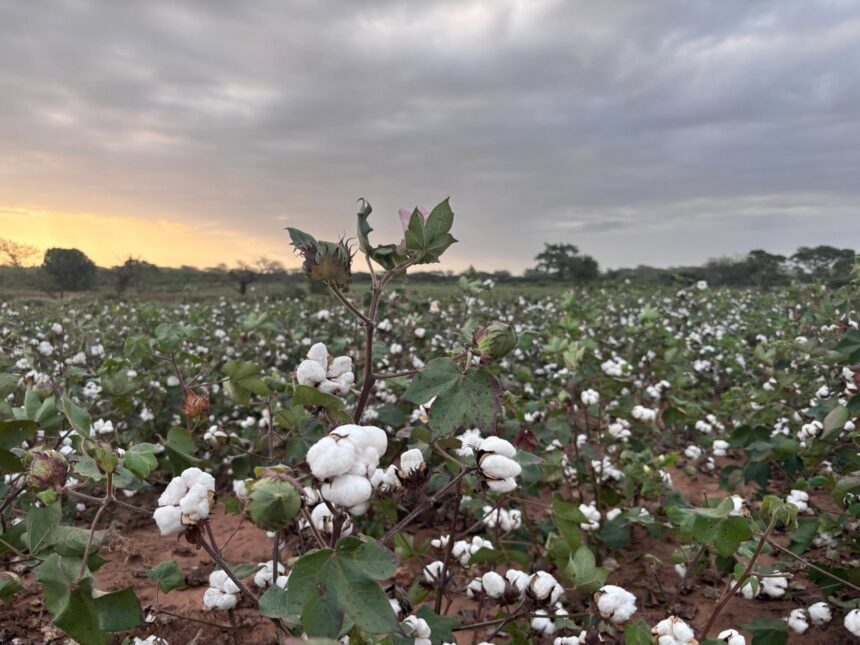
South African cotton producers now have access to a weekly average reference price designed to provide a clearer indication of cotton fibre market conditions. The South African Cotton Producers’ Organisation (SACP), with support from Cotton SA, has established the platform to give farmers an average reference price for cotton fibre each week. The price is derived from the weekly average December 2024 New York Futures price for SLM 1/16-inch, also referred to as Thin A2 fibre, with the applicable exchange rate taken into account. The initiative can give cotton producers a useful starting point when assessing market conditions and considering discussions around production costs and marketing arrangements. At the same time, farmers need to understand that the published figure is a reference price rather than a guaranteed amount that every producer will receive.
The weekly reference price can provide valuable information when farmers assess the relationship between their production costs and potential returns. Cotton production involves expenses across land preparation, seed, fertiliser, crop protection, irrigation where applicable, labour, harvesting and post-harvest handling. Having a regular indication of fibre prices can help producers monitor market movements and make more informed decisions when evaluating costs and marketing options. It can also provide a common reference point when farmers engage with buyers and consider different marketing models. However, producers still need to calculate their individual production costs and account for the specific quality and marketing conditions that apply to their cotton.
The published figure is calculated from the weekly average December 2024 New York Futures price for SLM 1/16-inch, or Thin A2, fibre, together with the relevant exchange rate. This means the reference price is linked to an international cotton market indicator rather than representing a fixed local farm-gate price. Exchange rate movements can influence the South African value of internationally referenced commodities, making currency conditions another factor that farmers need to monitor. International cotton market movements can also change the reference price from one week to the next. Farmers should therefore treat the weekly figure as an indicator of market conditions and not as a prediction of the exact price they will ultimately receive.
A farmer’s final cotton price is determined by several factors beyond the weekly reference figure. These include the applicable marketing model, the actual quality of the fibre and various costs deducted during the marketing and processing process. Transport, linting costs, grading, levies, export costs, storage and interest can all influence the final amount received by an individual producer. The difference between the reference price and the final producer price can therefore be significant depending on the circumstances of each transaction. Understanding these deductions is essential for farmers who want to assess the profitability of their cotton enterprise accurately.
The weekly price information is published every Monday afternoon on the Cotton SA website and is also made available to interested farmers through WhatsApp. This provides producers with a convenient way to follow price information without having to search for updates each week. Farmers who want to receive the information via WhatsApp can join the Cotton Price WhatsApp group or provide their name and cellphone number to Cotton SA at enquiries@cottonsa.org.za. Regular access to market information can help producers keep track of changes and incorporate current information into their planning. It can also encourage farmers to take a more active approach to understanding the factors influencing the value of their crop.
While cotton pricing remains an important consideration for producers, weed management presents another significant challenge for South African broadleaf crop production. Palmer amaranth, also known as Palmer dungweed, is regarded as a particularly difficult weed because of its biological characteristics and ability to develop resistance to herbicides. The weed was first identified in South Africa in 2018, creating concerns about its potential impact on crops such as sunflower, potatoes, soybeans, dry beans, groundnuts, cotton and lucerne. Its presence can increase production costs and make effective weed control more difficult. Farmers therefore need to identify and manage infestations early to reduce the risk of the weed becoming established and spreading across production areas.
Palmer amaranth presents a serious challenge because effective control becomes more difficult when populations develop resistance to herbicides. Herbicide resistance can reduce the number of effective chemical control options available to farmers and increase pressure on alternative management practices. The rapid growth and competitive nature of the weed can also allow it to interfere with crop development when infestations are not controlled promptly. Allowing resistant Palmer amaranth plants to produce seed can make the problem more difficult to manage in subsequent seasons. Early identification and rapid intervention are therefore essential components of a successful control strategy.
Ingrid Boshoff, a technical herbicide expert at Syngenta South Africa, has highlighted the importance of early, rapid and effective action against Palmer amaranth. Early intervention gives farmers a better opportunity to control plants before they become large and produce seed. Once mature plants establish and contribute seed to the soil, future infestations can become increasingly difficult and costly to manage. Farmers should therefore regularly scout fields and pay attention to weeds that display characteristics associated with Palmer amaranth. Prompt action can help prevent a small infestation from developing into a larger and more persistent weed-management problem.
Palmer amaranth management should form part of an integrated weed-control strategy rather than relying on a single herbicide or control method. Farmers need to understand the products available for their specific crops and use them according to registered label requirements and professional recommendations. Rotating herbicide modes of action can help reduce selection pressure that contributes to resistance, while non-chemical practices can provide additional layers of control. Preventing weeds from producing seed is also important because reducing the amount of viable seed returned to the soil can help limit future populations. Regular scouting and accurate identification can allow farmers to respond before infestations become difficult to contain.
The importance of controlling Palmer amaranth extends beyond individual fields because resistant weeds can spread through contaminated equipment, movement of soil, livestock and other pathways. A weed problem that begins in one area can therefore become a broader challenge if seed movement is not managed carefully. Farmers should consider sanitation practices for machinery and equipment, particularly when moving between fields or farms. Monitoring field boundaries and areas where weeds may first establish can also help with early detection. Coordinated awareness among neighbouring producers can further reduce the risk of Palmer amaranth spreading through an agricultural production area.
For cotton producers, the combination of market information and effective crop management is particularly important. A favourable reference price does not automatically guarantee profitability if production costs are too high or yields and fibre quality are compromised. Likewise, strong production potential can be undermined by ineffective weed control that increases input costs and reduces crop performance. Farmers therefore need to consider price information alongside input costs, expected yields, fibre quality and crop protection requirements when making production decisions. A detailed understanding of both market conditions and agronomic risks can help producers make better-informed decisions throughout the season.
The weekly cotton reference price provides South African producers with useful market information, while the warning around Palmer amaranth highlights the need for careful crop protection and early weed management. Farmers should use the weekly price as a reference rather than assuming it represents their final income, because marketing arrangements, fibre quality and various costs will determine the actual price received. At the same time, producers growing cotton and other broadleaf crops need to remain alert to Palmer amaranth and act quickly when the weed is identified. Combining sound financial planning, regular market monitoring, effective crop management and integrated weed control can help strengthen the resilience and profitability of farming enterprises. For South African producers, access to reliable information and timely action will remain essential to managing both the opportunities and risks that shape modern crop production.
Join 'Farmers Mag' WhatsApp Channel
Get the latest Farming news and tips delivered straight to your WhatsApp
CLICK HERE TO JOIN




