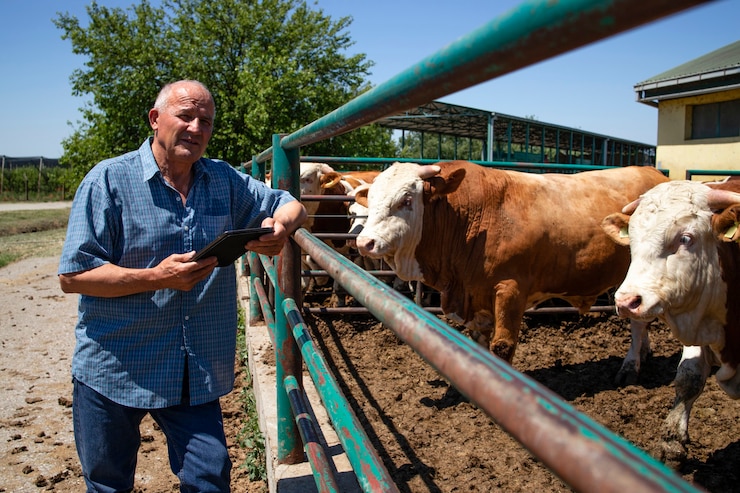
South Africa’s agricultural value chain depends on two essential role players: the farmer who produces food and the consumer who buys it. Every other part of the value chain exists to connect these two points by moving, processing, storing and distributing agricultural products efficiently. However, crime is increasingly threatening this system, with agricultural theft extending far beyond the stock theft and farm attacks that usually dominate public discussions. Livestock, grain, vegetables, diesel, fertiliser, chemicals, veterinary medicines, seeds, equipment and infrastructure are all vulnerable to theft at different stages of production and distribution. The result is a growing threat to farm profitability, agricultural sustainability and ultimately South Africa’s food security.
Stock theft alone demonstrates the scale of the problem facing the agricultural sector. According to the South African Police Service, 25 606 stock theft complaints were reported during the 2024/25 financial year, involving approximately 190 000 livestock. The direct loss of cattle, sheep and goats was estimated at at least R880 million during the period. These figures are already significant, but they may not reflect the full extent of the problem because many incidents are never reported. The Department of Agriculture indicated in 2025 that only around 30% of stock theft incidents are reported, meaning the actual impact could be considerably greater than official statistics suggest.
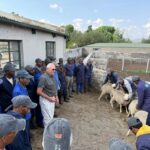
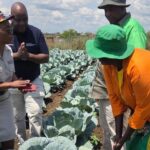
Agricultural crime can occur at almost every stage of the value chain, from the farm where products are produced to the markets where they are eventually sold. Any point where agricultural products are stored, traded or transported can become a target for criminals. On farms, livestock can be stolen from camps, kraals and grazing areas, while crops can be removed directly from fields, orchards or storage facilities. Grain, maize cobs, fruit and vegetables can all be targeted because they can be sold relatively quickly once removed from the farm. Farm equipment, irrigation pumps, electrical cables, machinery and other infrastructure are also vulnerable, creating additional costs for producers who depend on these assets to maintain production.
Theft during transportation creates another major vulnerability in the agricultural value chain. Agricultural products and inputs often travel considerable distances between farms and silos, abattoirs, fresh produce markets, cooperatives, processors and distribution centres. These movements create opportunities for organised criminals to intercept valuable loads or remove part of a consignment while it is in transit. The same risk applies to agricultural inputs being transported to farms, including fertiliser, seed, chemicals and other products required for production. Once a load has been stolen or tampered with, the consequences can extend beyond the immediate financial loss because farmers, processors, retailers and consumers may all be affected.
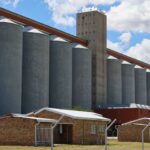
Storage and distribution facilities are also important targets because they can contain large volumes of valuable agricultural products and inputs in one location. Silos, warehouses, cold rooms and other facilities may hold grain, fresh produce, animal products or agricultural supplies worth substantial amounts of money. Fertiliser, seed, chemicals and veterinary medicines can be particularly damaging when stolen because they are essential to future production. Diesel provides another clear example of how agricultural theft can disrupt the production cycle. Farmers need fuel to operate tractors, run irrigation systems, harvest crops and transport products, so stolen diesel can result in both a direct financial loss and lost production time.
The timing of agricultural production makes the theft of essential inputs especially serious. A tractor that cannot operate because fuel has been stolen may prevent a farmer from completing planting or harvesting within the required window. Stolen seed or fertiliser can create similar problems because replacing those inputs may take time or may not be possible when supplies are limited. Missing chemicals can also delay crop protection and increase the risk of production losses. The financial impact therefore goes far beyond the value of the item that was stolen, with farmers potentially facing lost yields, additional labour costs, equipment repairs, infrastructure replacement, increased insurance premiums and higher security expenses.
Small-scale and emerging livestock farmers can be particularly vulnerable to the consequences of stock theft. Losing even a small number of animals can represent a significant proportion of a farmer’s productive assets and can undermine years of investment. Livestock is often a source of income, savings and financial security for rural households, which means theft can directly affect livelihoods. The psychological impact should also not be underestimated, as farmers who constantly have to worry about the safety of their animals, crops, equipment, fuel and other assets operate under considerable pressure. When security becomes an unavoidable and increasingly expensive part of production, some farmers may reduce their activities, abandon certain enterprises or decide against expanding their operations.
The effects of agricultural crime do not stop at the farm gate because increased production costs eventually move through the value chain. Farmers who lose products, equipment or inputs must absorb those losses or find ways to recover them through future production and pricing. Security measures, insurance, repairs, infrastructure replacement and additional transport controls all add to the cost of producing and moving food. At the same time, theft can reduce the volume of products reaching markets, placing additional pressure on supply. When production falls while costs increase, the potential impact on food prices becomes a concern for consumers across the country.
Consumers therefore carry part of the economic burden created by agricultural crime even though they are not responsible for the criminal activity. When livestock is stolen, fewer animals may ultimately reach the formal market, affecting the supply of meat and other animal products. When crops or vegetables are stolen, farmers may have less produce available for distribution and may face additional costs in replacing damaged or missing infrastructure. The same principle applies to stolen fuel, fertiliser and seed because these losses can affect future production rather than only the current harvest. Agricultural theft should therefore be viewed as a national food security and economic issue rather than a problem that farmers are expected to solve on their own.
Addressing the problem requires cooperation across the entire agricultural value chain. Farmers need effective relationships with law enforcement and better systems for reporting suspicious activity and criminal incidents. Transporters, processors, traders, storage facilities and other businesses also have an important role to play in monitoring products as they move through the system. Technology can strengthen traceability, improve monitoring and help identify irregular movements of livestock, agricultural products and inputs. Stronger control systems, better information sharing and decisive action against organised criminal networks are equally important if agricultural theft is to be reduced sustainably.
Livestock traceability and effective control over the movement of agricultural products can play an important role in disrupting criminal markets. Criminals are more likely to benefit from theft when stolen goods can easily be introduced into legitimate supply chains. Improved documentation, identification systems, tracking technology and verification processes can make it more difficult to sell stolen livestock and agricultural products through legitimate channels. These measures require commitment from producers, traders, transporters, processors and authorities because weaknesses at one point in the chain can undermine controls elsewhere. Consumers also have a role by supporting legitimate markets and avoiding products where the origin or legality is questionable.
The fight against agricultural crime must also recognise the difference between isolated theft and organised criminal activity. While an individual theft may appear to affect only one farmer, organised networks can target multiple farms, transport routes, storage facilities and markets. The ability to move stolen products quickly and introduce them into legitimate markets makes agricultural crime particularly difficult to combat. Effective policing therefore needs to focus not only on recovering stolen goods but also on identifying the networks that organise, finance and profit from the theft. Stronger investigations and successful prosecutions can help create greater accountability throughout the agricultural supply chain.
Agriculture cannot function effectively when producers are forced to operate under constant threat of theft. Farmers need confidence that the livestock they raise, crops they plant and inputs they purchase will remain available to support production. Consumers also need confidence that sufficient food will reach the market at prices that remain manageable. Protecting agricultural assets is therefore directly connected to protecting production, jobs, rural economies and food availability. Every part of the value chain has a responsibility to help prevent crime from undermining the system on which millions of people depend.
The message is clear: when someone steals a sheep, a load of grain, vegetables from a field, litres of diesel or a bag of seed, the damage extends far beyond the immediate victim. The stolen product represents lost income for a producer, disruption for the next stage of the value chain and potentially higher costs for the consumer. Agricultural product theft has become a serious economic and food security concern that requires a coordinated response rather than isolated action by individual farmers. Protecting agriculture means improving security, strengthening traceability, supporting law enforcement and closing the gaps that allow stolen products to enter legitimate markets. Ultimately, protecting the farmer means protecting the entire food chain and ensuring that South Africa can continue producing and supplying the food its people need.
Join 'Farmers Mag' WhatsApp Channel
Get the latest Farming news and tips delivered straight to your WhatsApp
CLICK HERE TO JOIN